Ensure that the vehicle is properly supported and squarely positioned.
To help avoid personal injury when a vehicle is on a hoist, provide additional support
for the vehicle on the opposite end from which the components are being removed.
Raise the vehicle on a hoist.
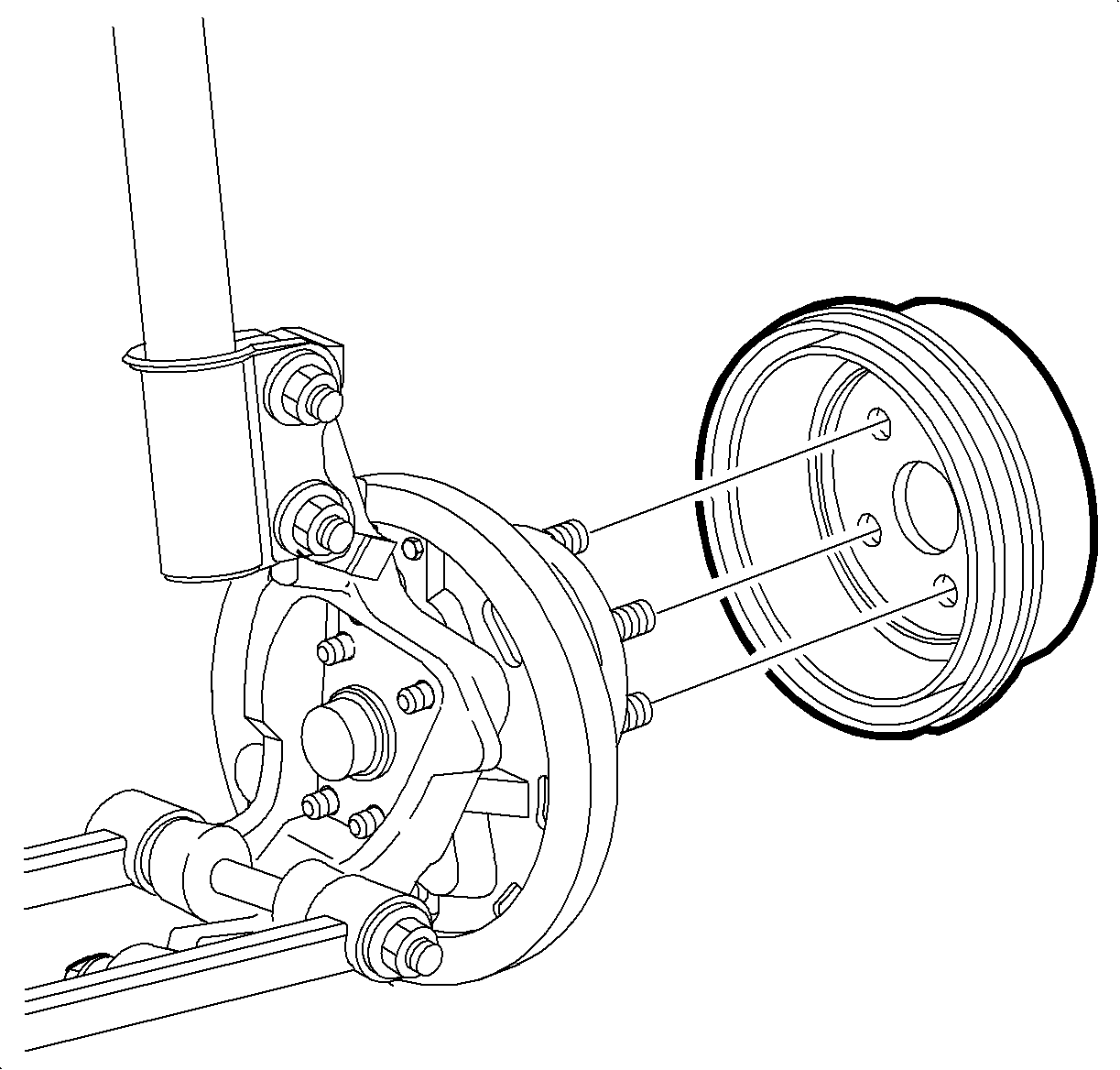
Remove the rear wheel and tire assembly.
Remove the brake drum.
Notice
Do not pry against brake backing plate. This will bend plate.
Important
If difficulty is encountered removing the drum, use
SA9201BR
(or equivalent) to turn star wheel adjuster assembly to shorten its
length to provide sufficient drum-to-shoe clearance for drum removal.
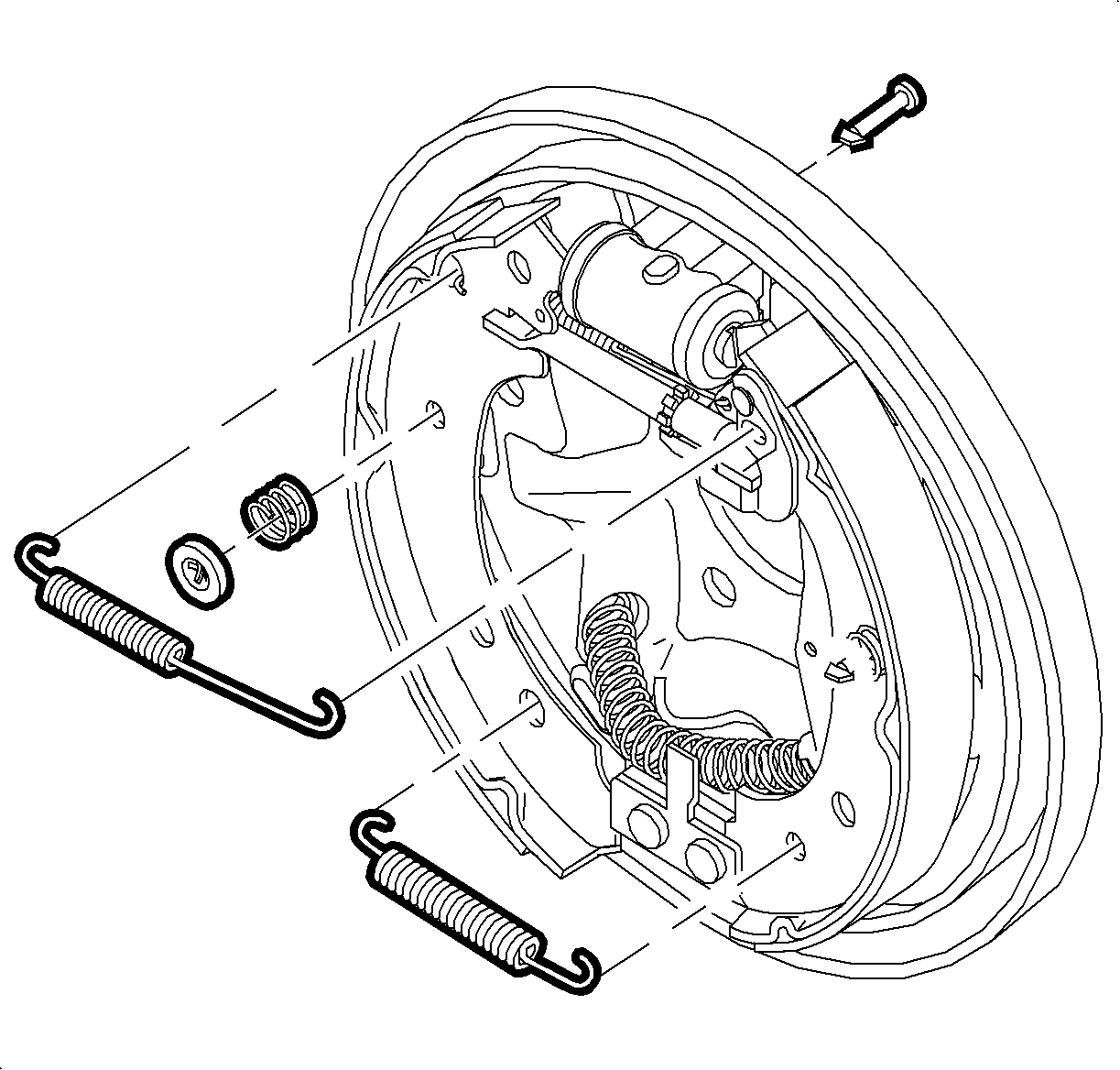
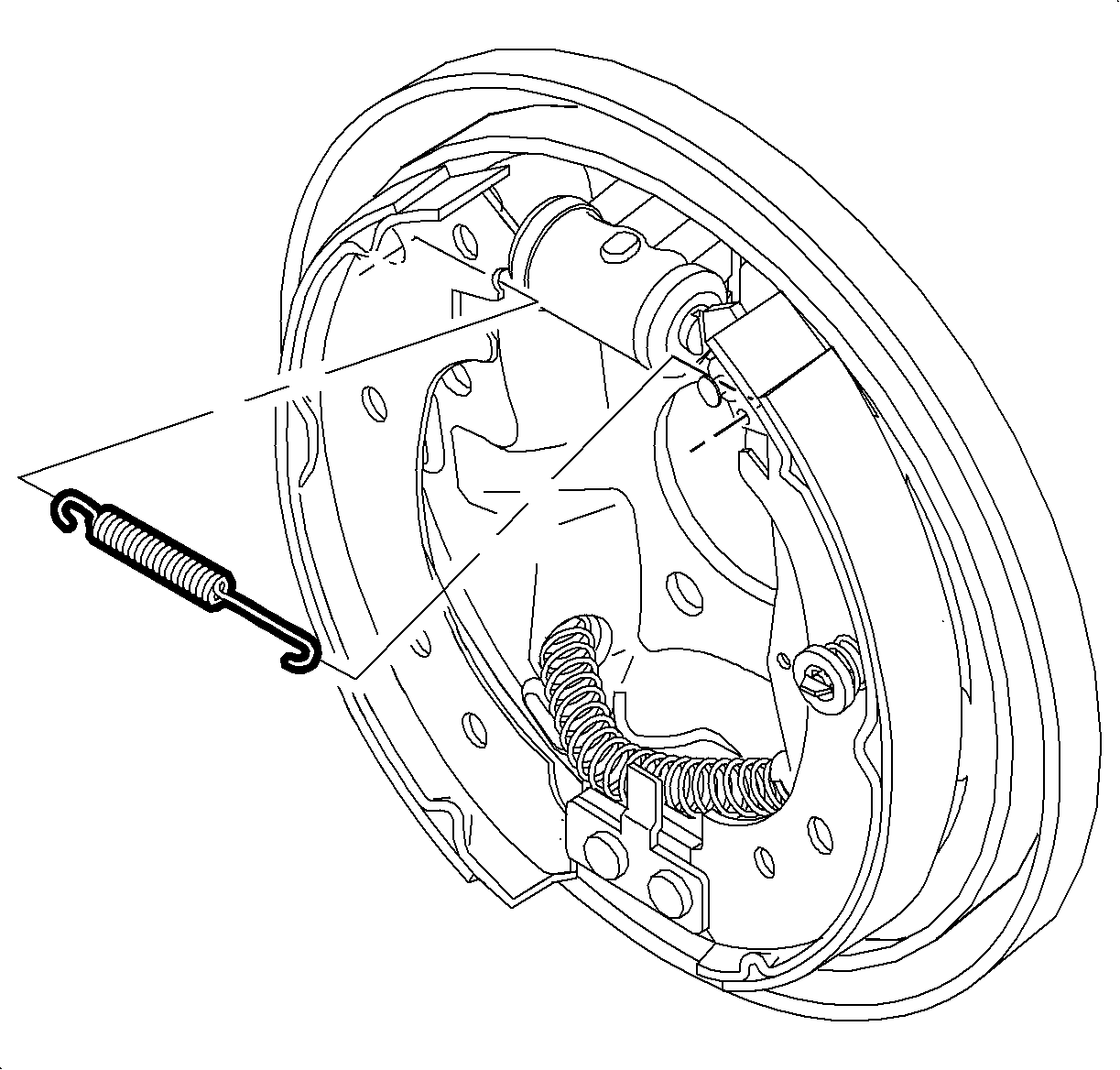
Remove the lower return spring.
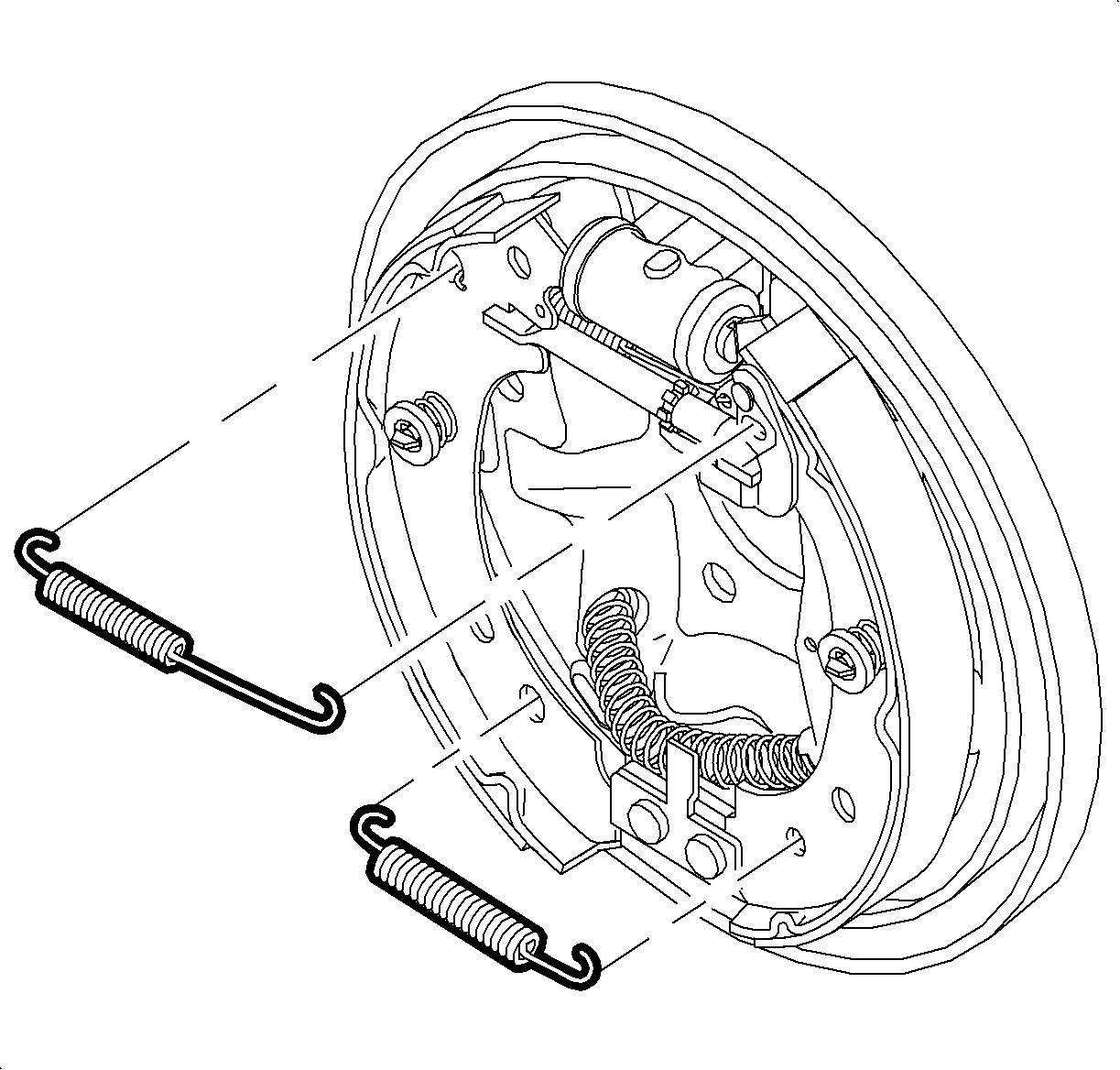
Remove the adjuster spring.
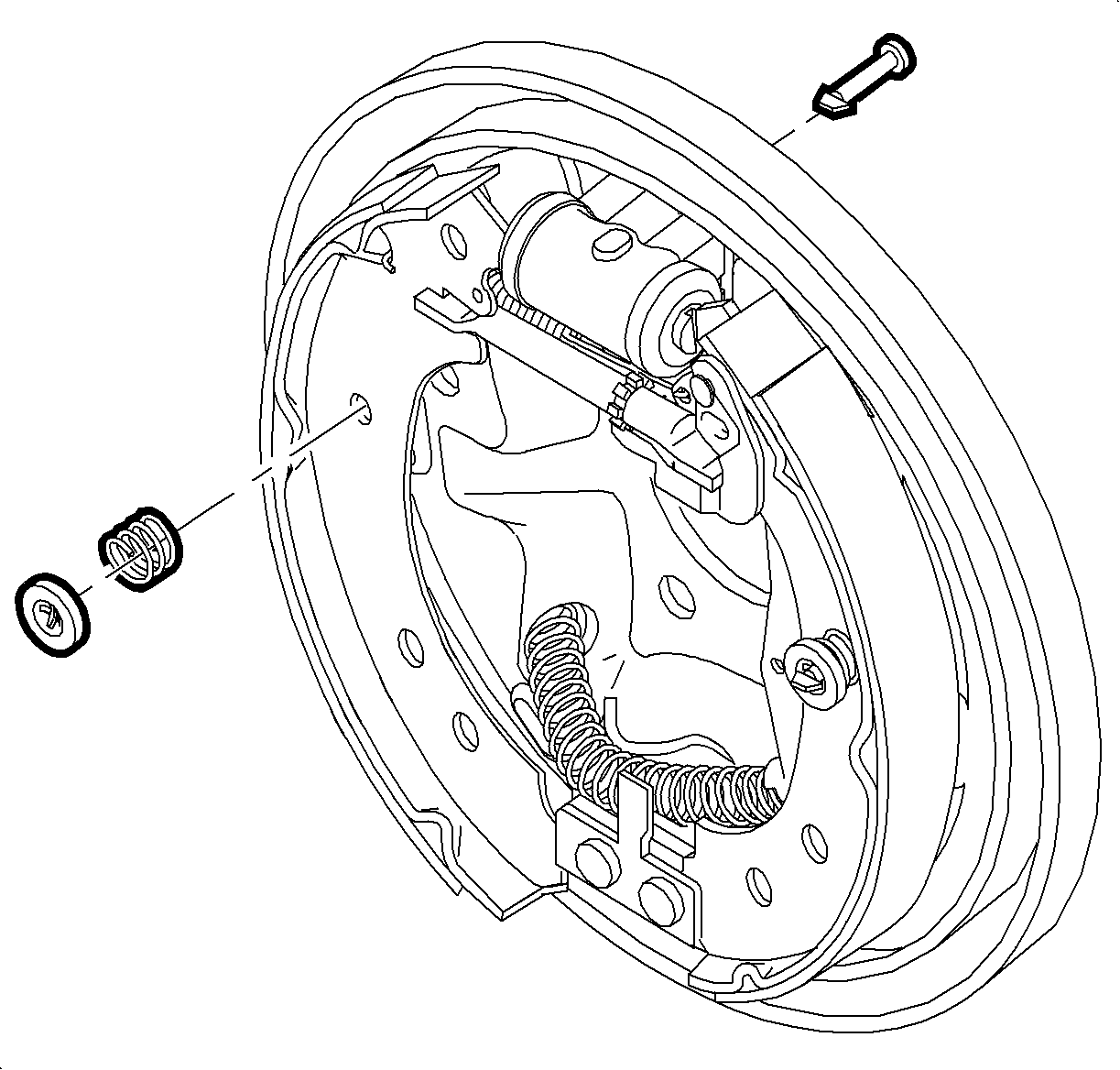
Remove the leading shoe hold down cup, spring, and pin.
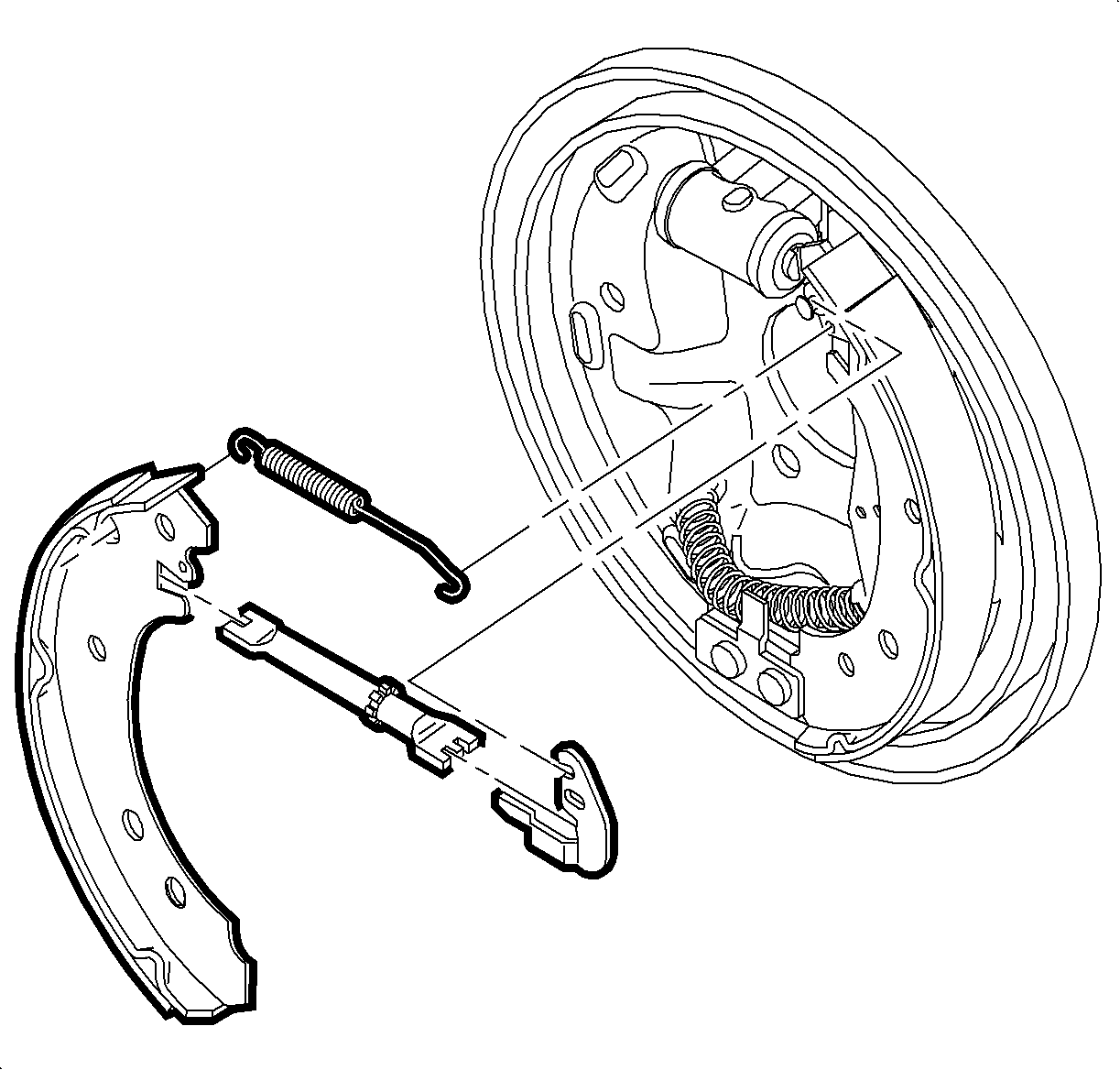
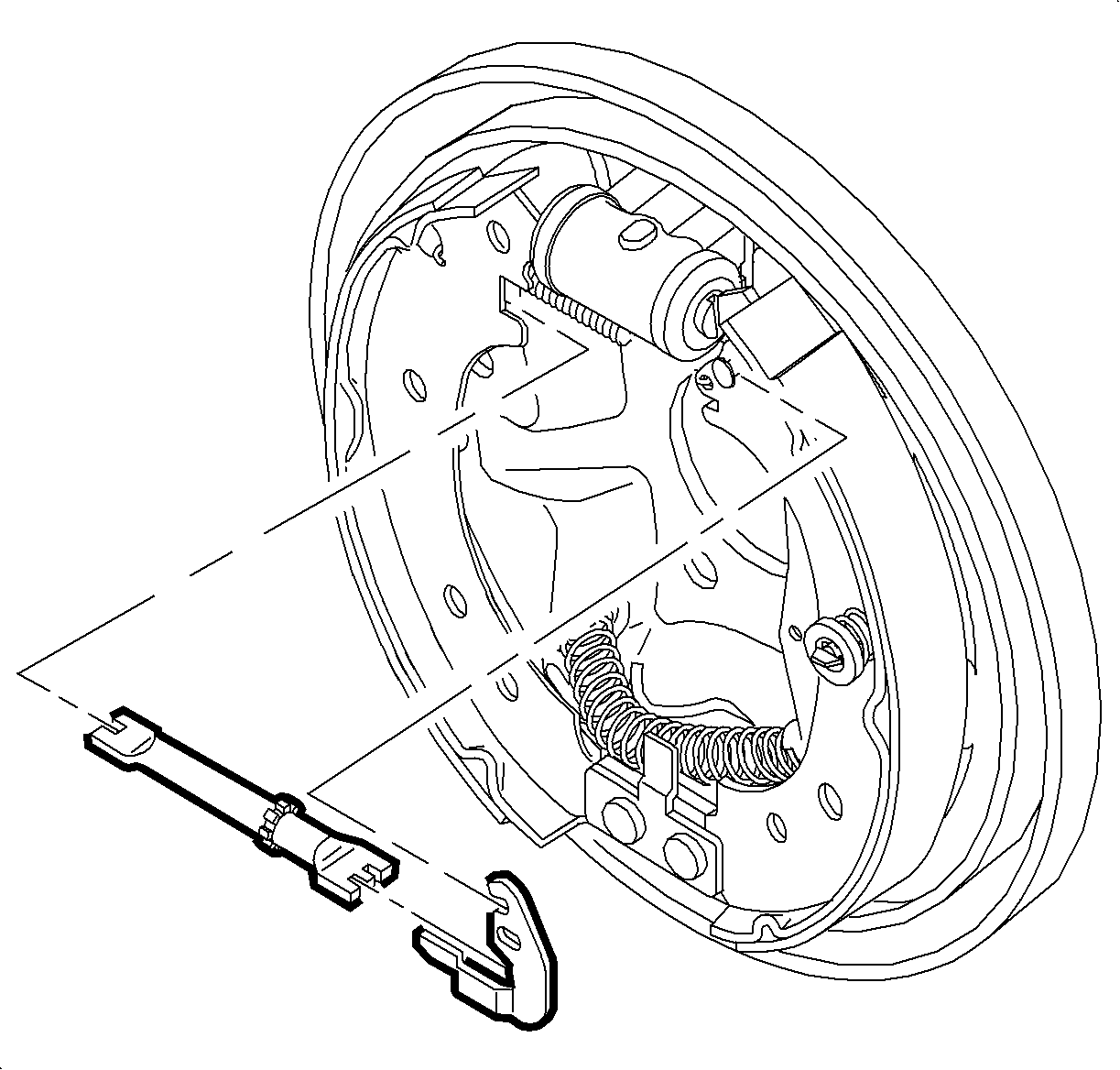
Remove the adjuster assembly and the adjuster lever. If difficulty is encountered,
proceed as follows:
Pull the leading shoe towards the front of the vehicle, freeing the adjuster
assembly. Remove the assembly.
If necessary, turn star wheel on adjuster to shorten its length.
Remove the leading shoe by twisting the shoe out of engagement with the
upper return spring.
Remove the upper return spring from the park brake shoe.
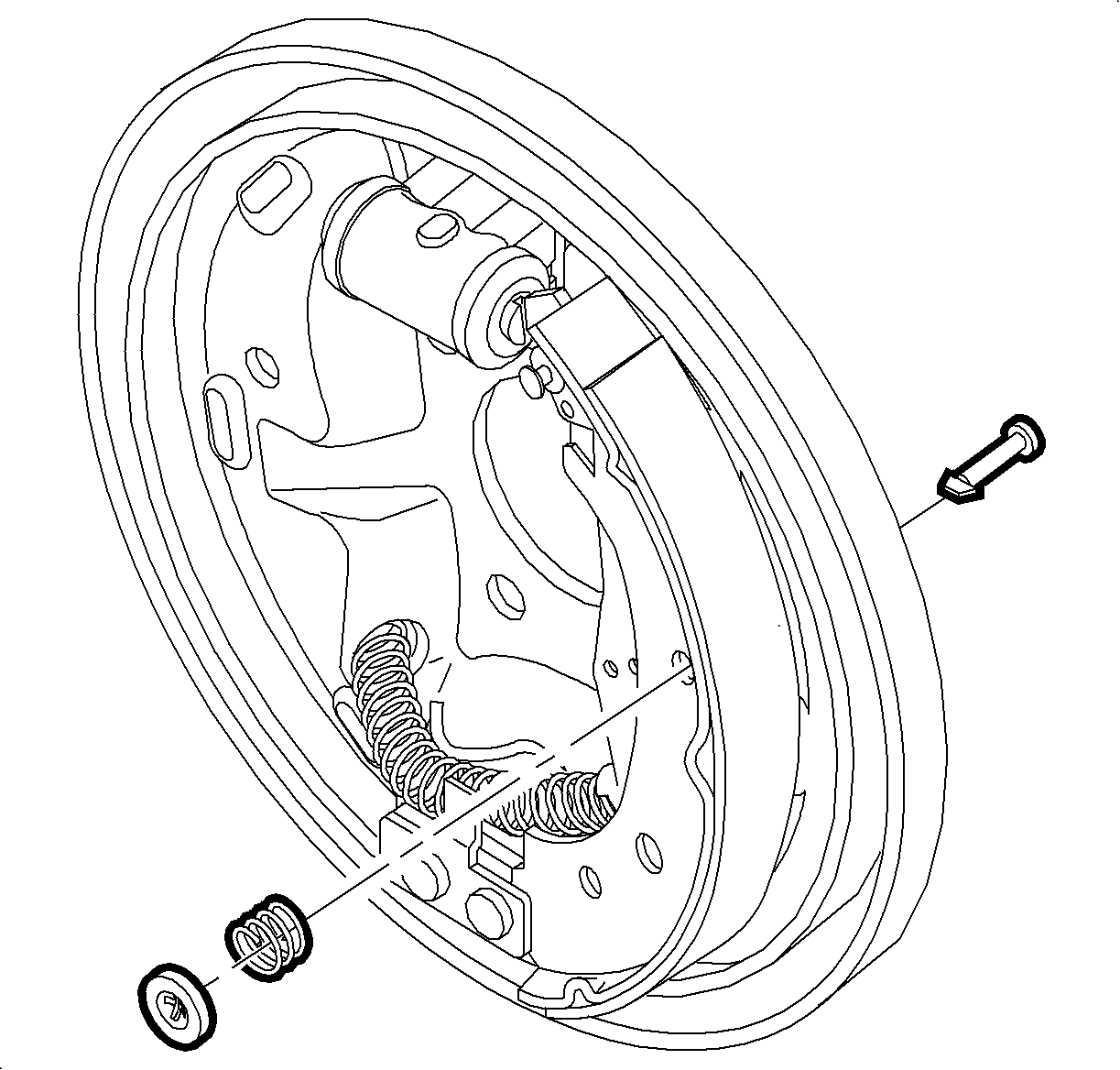
Remove the park brake shoe hold down cup, hold down spring, and hold down pin.
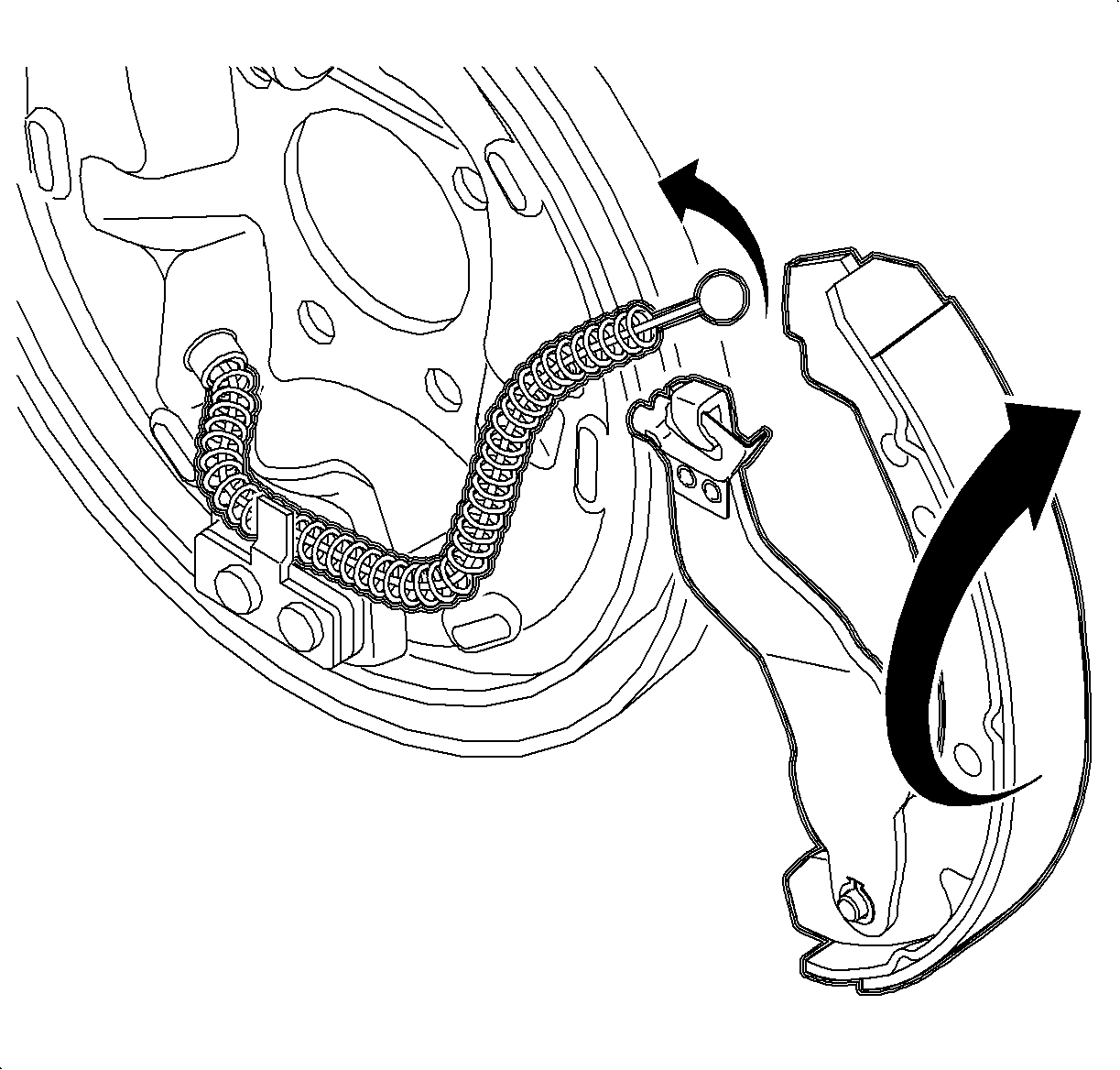
Remove the park brake cable from the park brake lever by pushing the lever
into the cable spring, while at the same time disengaging the cable end from the
lever.
Remove the park brake shoe, along with the park brake lever and cable
spring.
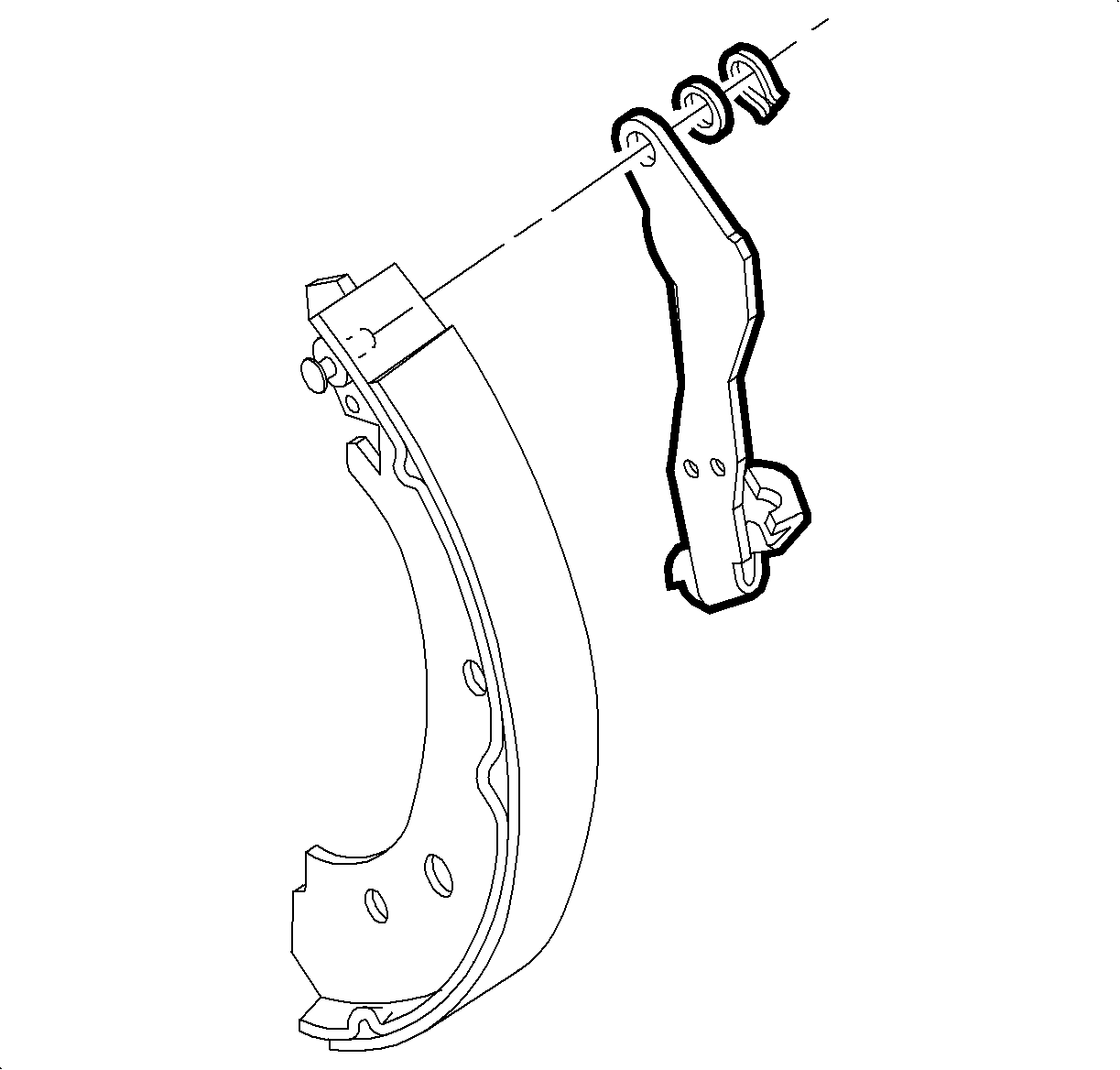
Remove the park brake lever retainer and the wave washer, and separate the lever
from the park brake shoe.
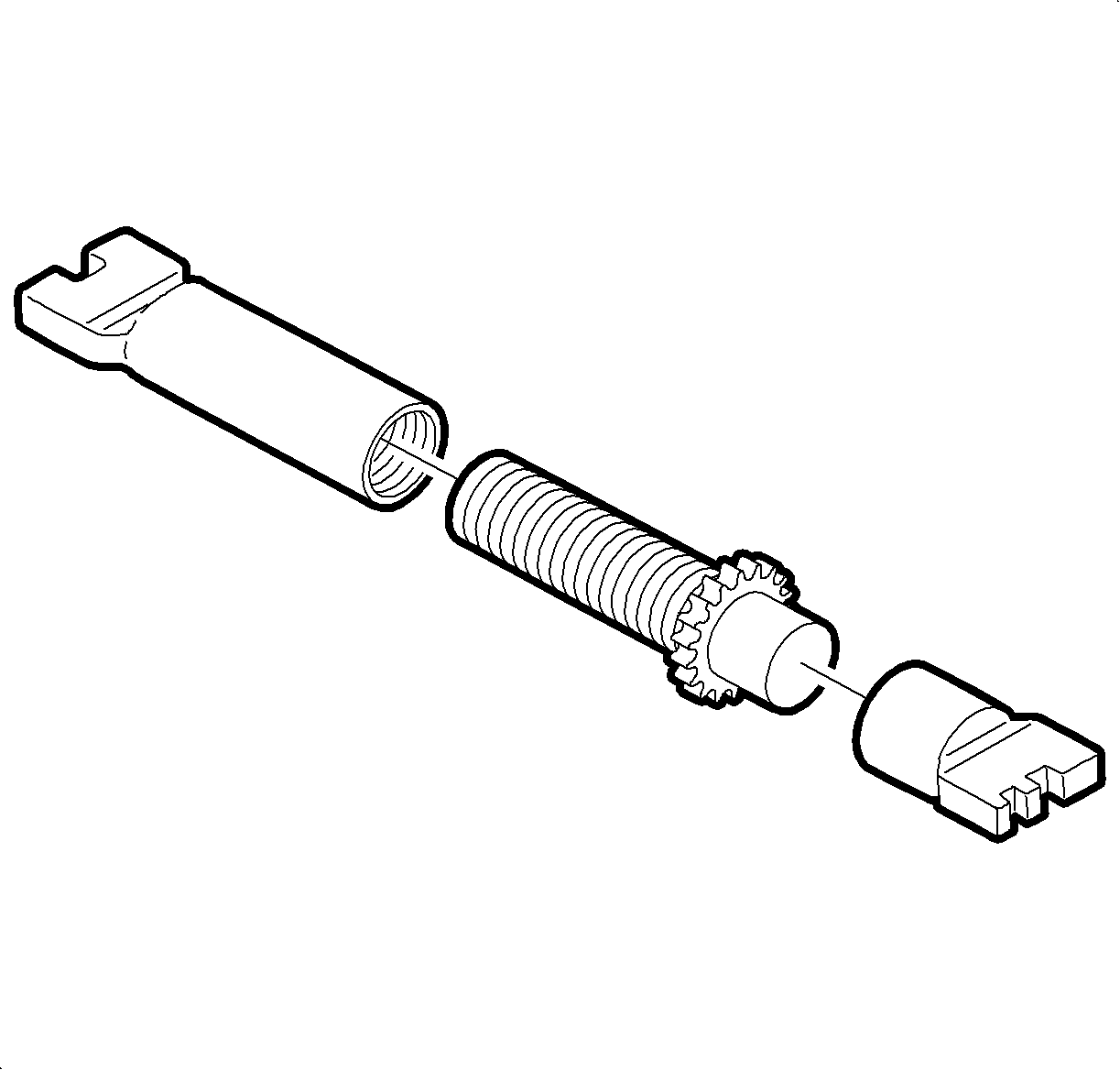
Disassemble the brake adjuster components adjusting the socket, screw, and
nut.
Clean the adjusting socket, screw, and nut in clean, denatured alcohol.
Inspect the adjuster assembly, making sure that the adjuster screw threads
smoothly into the adjusting nut, over the full threaded length.
Important
If the wheel cylinder is found to be damaged, replace it. Do not attempt to
repair the wheel cylinder.
Inspect the wheel cylinder for leakage or damaged boots. Also, make sure that
the wheel cylinder is not seized.
When replacing the rear brake shoes, inspect the backing plate for excessive
wear at the six raised shoe contact pads. Excessive wear at the raised shoe contact
pads, such as notches or deep grooves, could restrict shoe travel.
Important
Never replace brake shoes/linings on one side of axle only. Brake shoes/linings
must be replaced as axle sets.
Lubricate the following components:
The adjuster assembly -- Apply to the threads of the screw and the
inner diameter face of the socket.
The adjuster lever surfaces that rub on the brake shoe web
The backing plate at the six raised shoe contact pads
The park brake lever pin and the surfaces that contact the brake shoe
web
Install the park brake lever assembly onto the pin on the park brake shoe and
secure with the wave washer and retainer clip.
Important
Make sure to crimp the ends of the retainer securely to retain park brake lever.
Install the cable spring into the cage on the park brake lever only if the cable
spring was removed.
Install the park brake cable, through the cable spring, onto the park brake
lever.
Install the park brake shoe by positioning the shoe and installing the hold
down pin, hold down spring, and hold down cup.
Notice
Check that the brake shoe is correctly engaged in the wheel cylinder on top
and anchor on bottom.
Install the long, straight end of the upper return spring into
the back of the hole in the park brake shoe.
Install the other end of the upper return spring into the back of the
leading brake shoe. Stretch the spring to correctly position the leading shoe on
the backing plate.
Notice
Check that the brake shoe is correctly engaged in the wheel cylinder on top
and anchor on bottom.
Pull the leading shoe toward the front of the vehicle and install
the adjuster assembly between the park and leading brake shoes.
Notice
Check that notch on adjuster lever engages pin on park brake shoe and notch
on adjusting socket.
Notice
Check that lower leg of adjusting lever engages teeth of star wheel on adjuster
assembly.
Install the adjuster lever.
Install the leading brake shoe by positioning the shoe and installing the hold
down pin, hold down spring, and hold down cup.
Install the adjuster spring by placing the short end of the adjuster spring
into the hole in the leading shoe and stretching the other end of the spring into
the hole in the adjuster lever.
Install the lower return spring by hooking one end of the spring into
the hole of one shoe and stretching other end of the spring into the hole of the
other shoe.
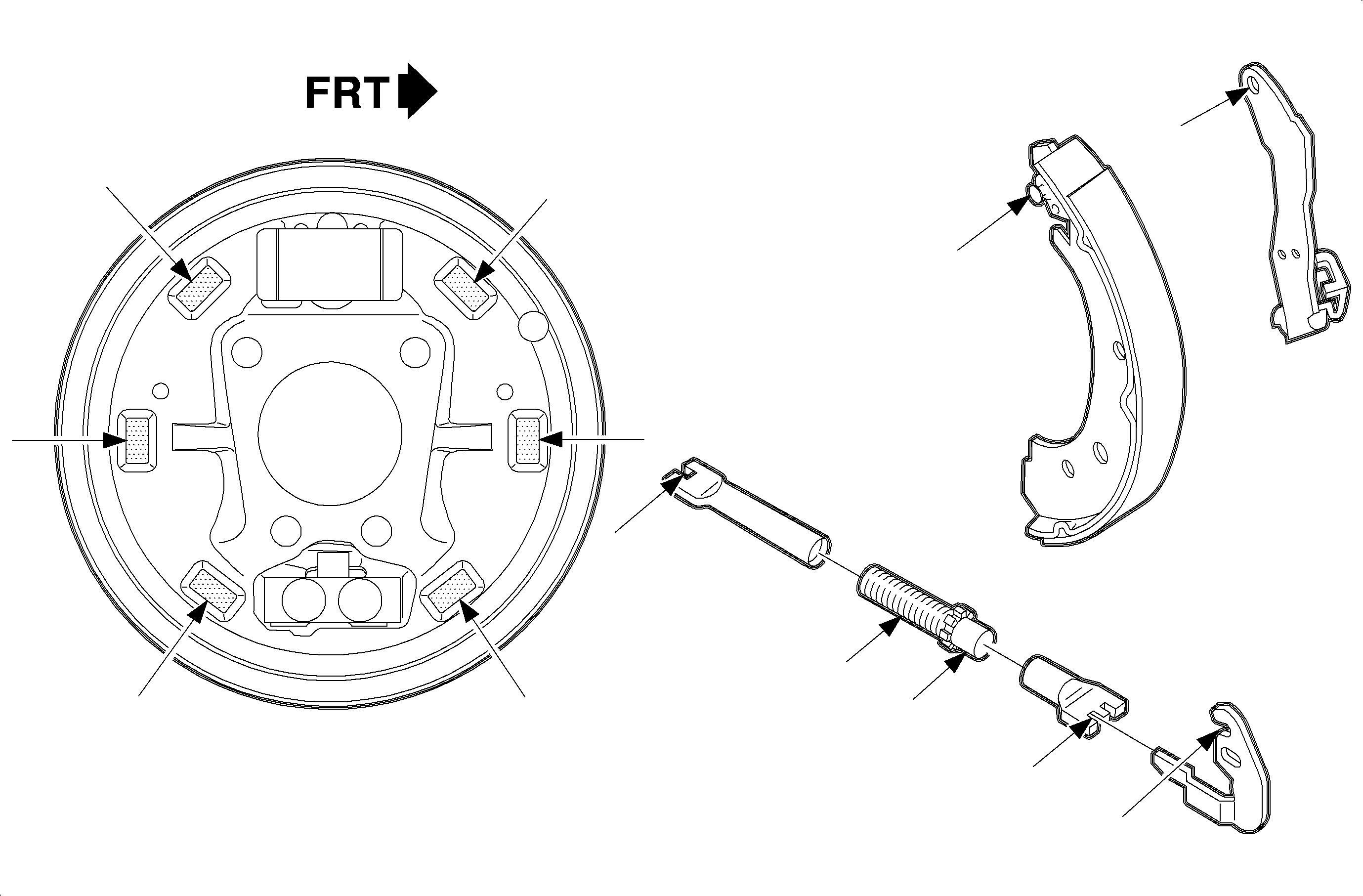
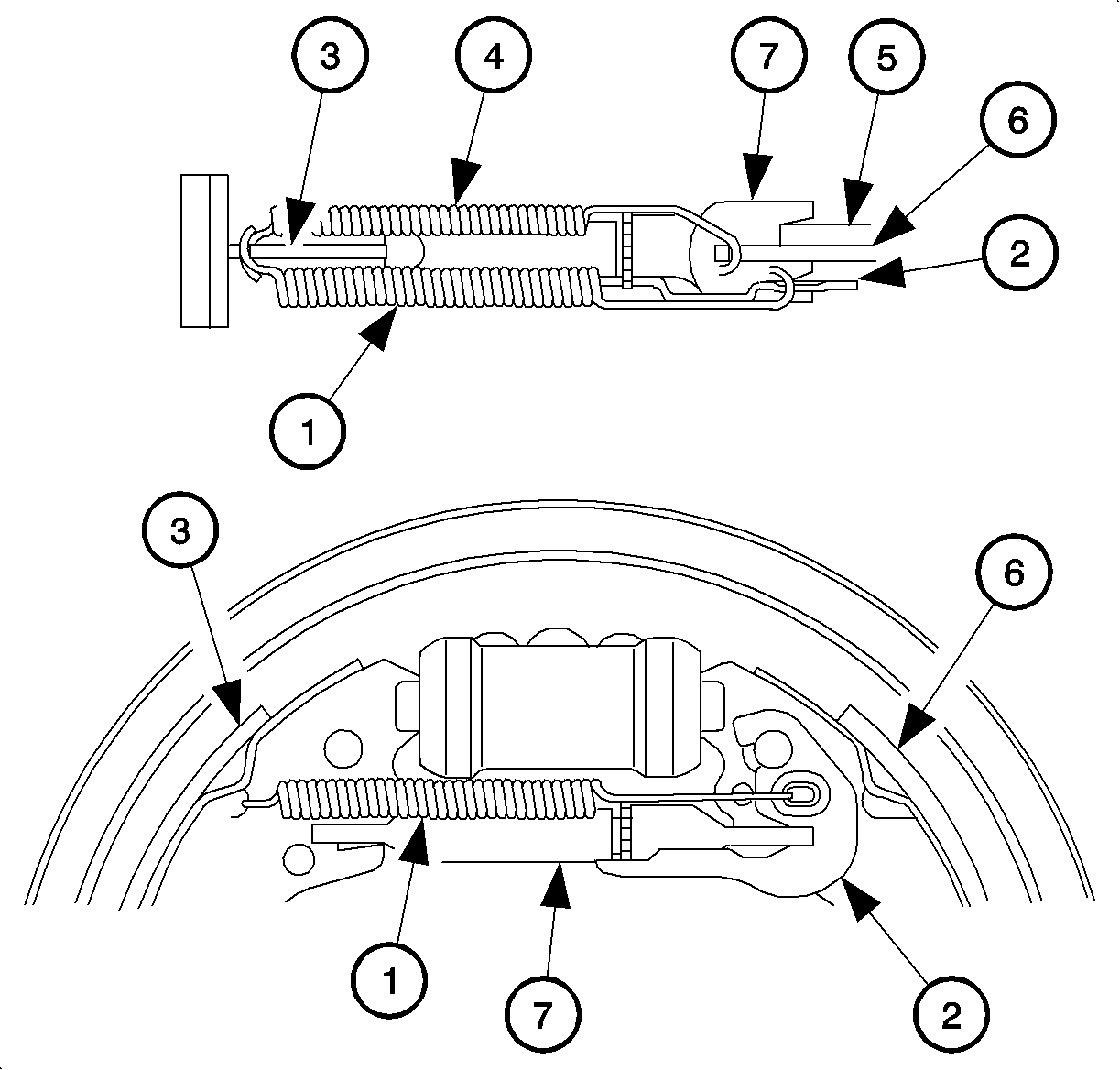
Check the assembly for the correct location and installation of the springs
and components.
Adjuster Spring (1)
Adjuster Lever (2)
Leading Shoe (3)
Upper Return Spring (4)
Park Brake Lever (5)
Park Brake (6)
Adjuster Assembly (7)
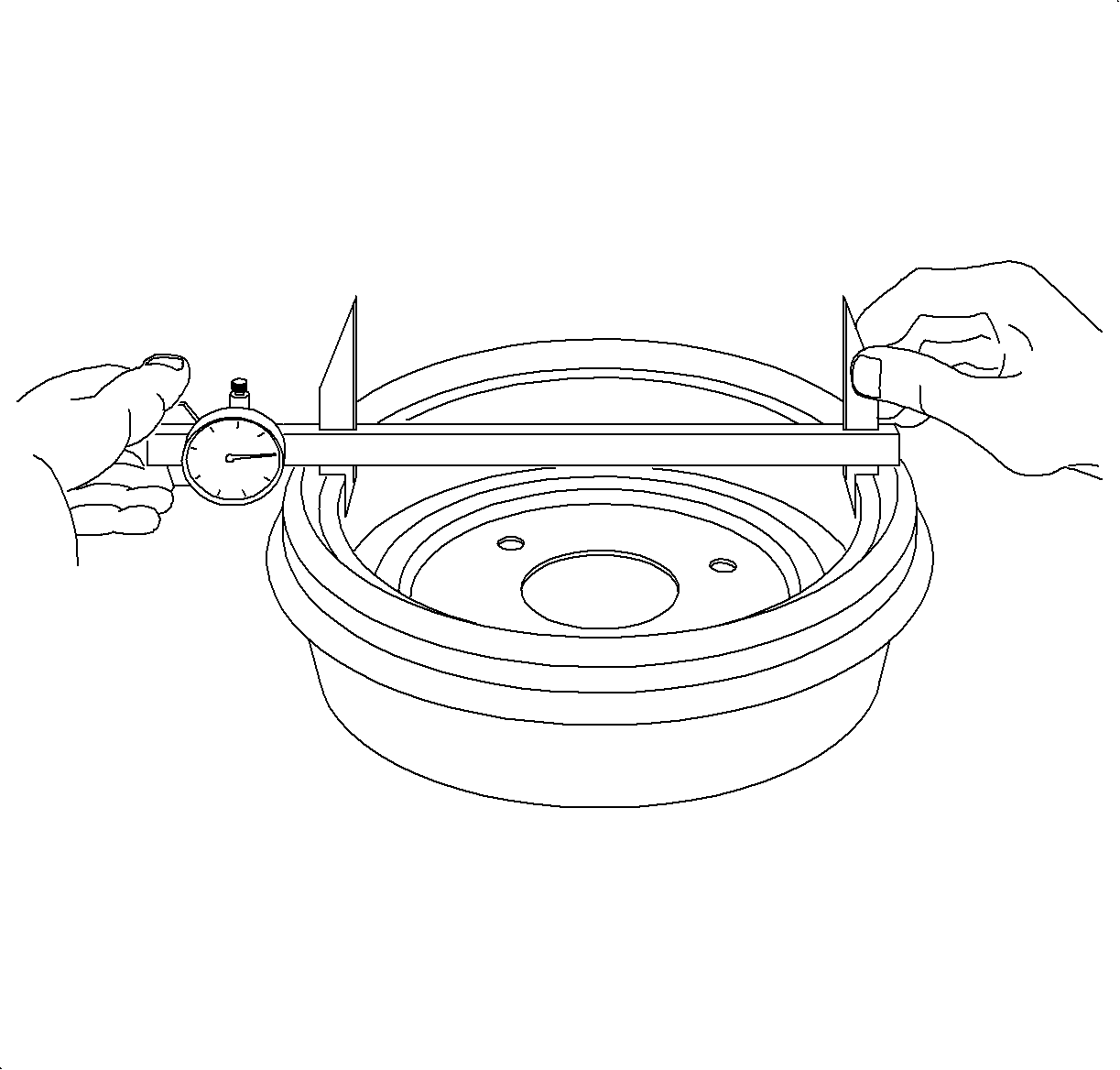
Using a 0-200 mm (0-8 in) caliper such as
SA92109NE
(or equivalent), measure the inside diameter
of the brake drum.
Rear Drum DiameterNew: 200.0 mm (7.87 in)Maximum after Turning: 200.6 mm (7.90 in)Discard: 201.4 mm (7.93 in)
Refer to
Brake Drum Surface and Wear Inspection
.
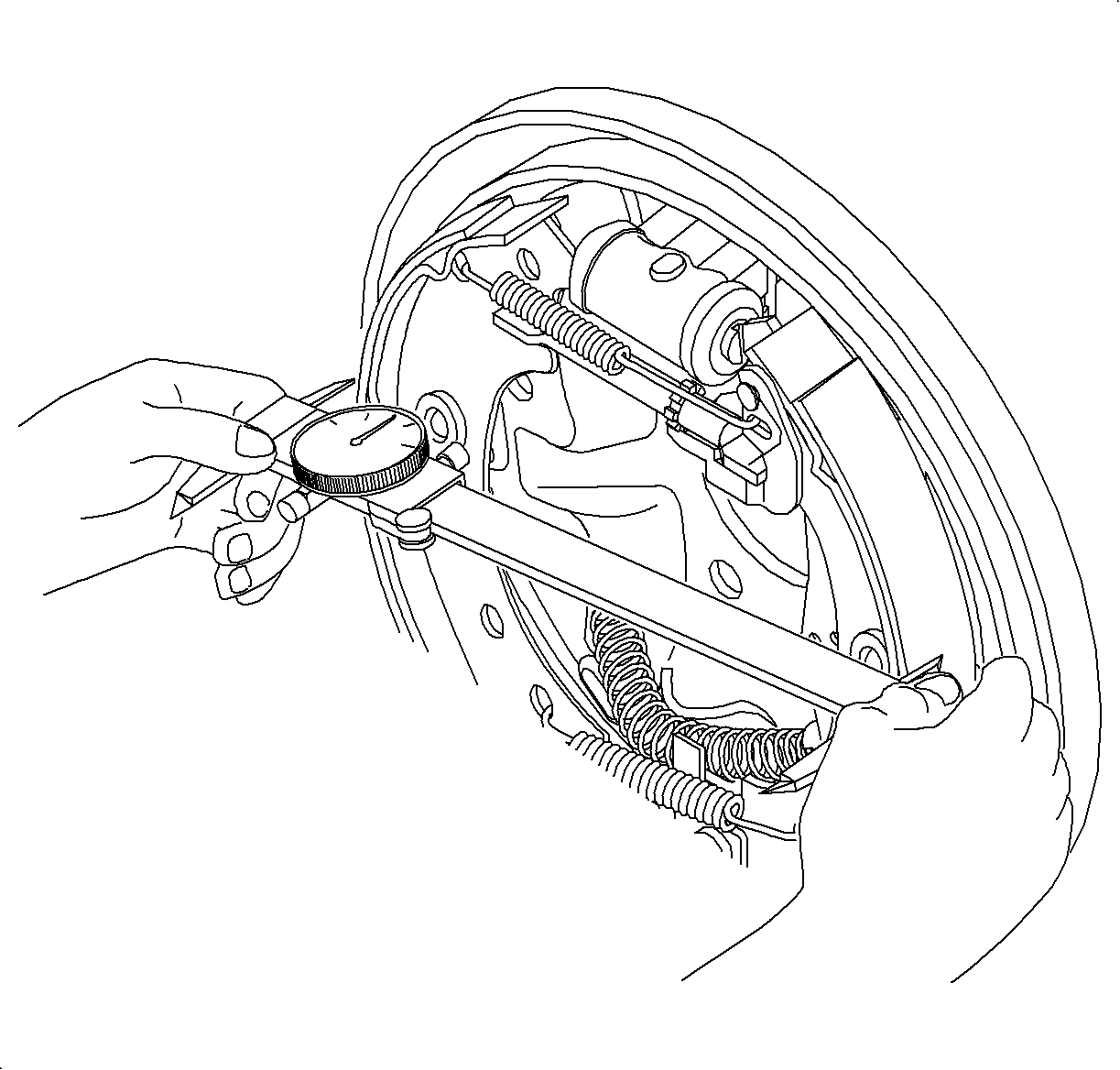
Measure the outside diameter of the brake shoes and the adjust brake adjuster
to obtain 0.50 mm (0.020 in) less than the reading obtained in step 14.
Install the brake drum.
Bleed the brakes if new a wheel cylinder or backing plate has been installed.
Notice
Before installing wheels, remove rust or corrosion from wheel mounting surfaces
and brake rotors/drums. Failure to do so can cause wheel nuts to loosen in service.
Position the wheel and tire assembly onto the hub.