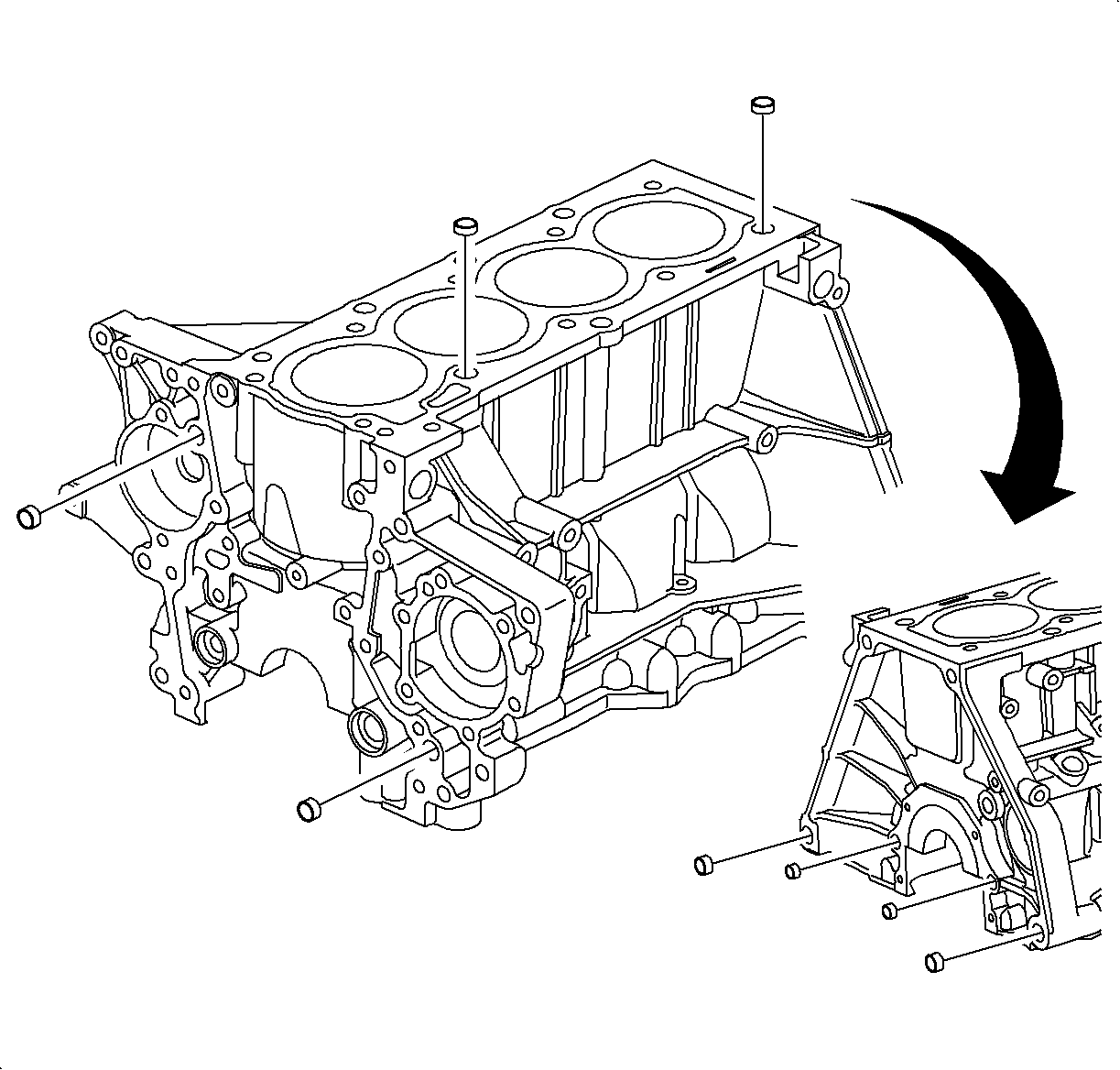

The engine block requires the location of
dowel pins for the front cover, cylinder head, rear crankshaft seal carrier, and transaxle
be installed with a brass driver. Dowel pins are installed until they bottom out in
the cylinder block.Important
Thoroughly clean all parts to be assembled.
Honed cylinders must be scrubbed with a solution of Tide® powdered laundry detergent,
or equivalent, and high pressure warm water prior to piston assembly. Before installing
the parts, apply new engine oil to all sliding and rotating surfaces. Replace all
gaskets, O-rings, and oil seals with new parts.Important
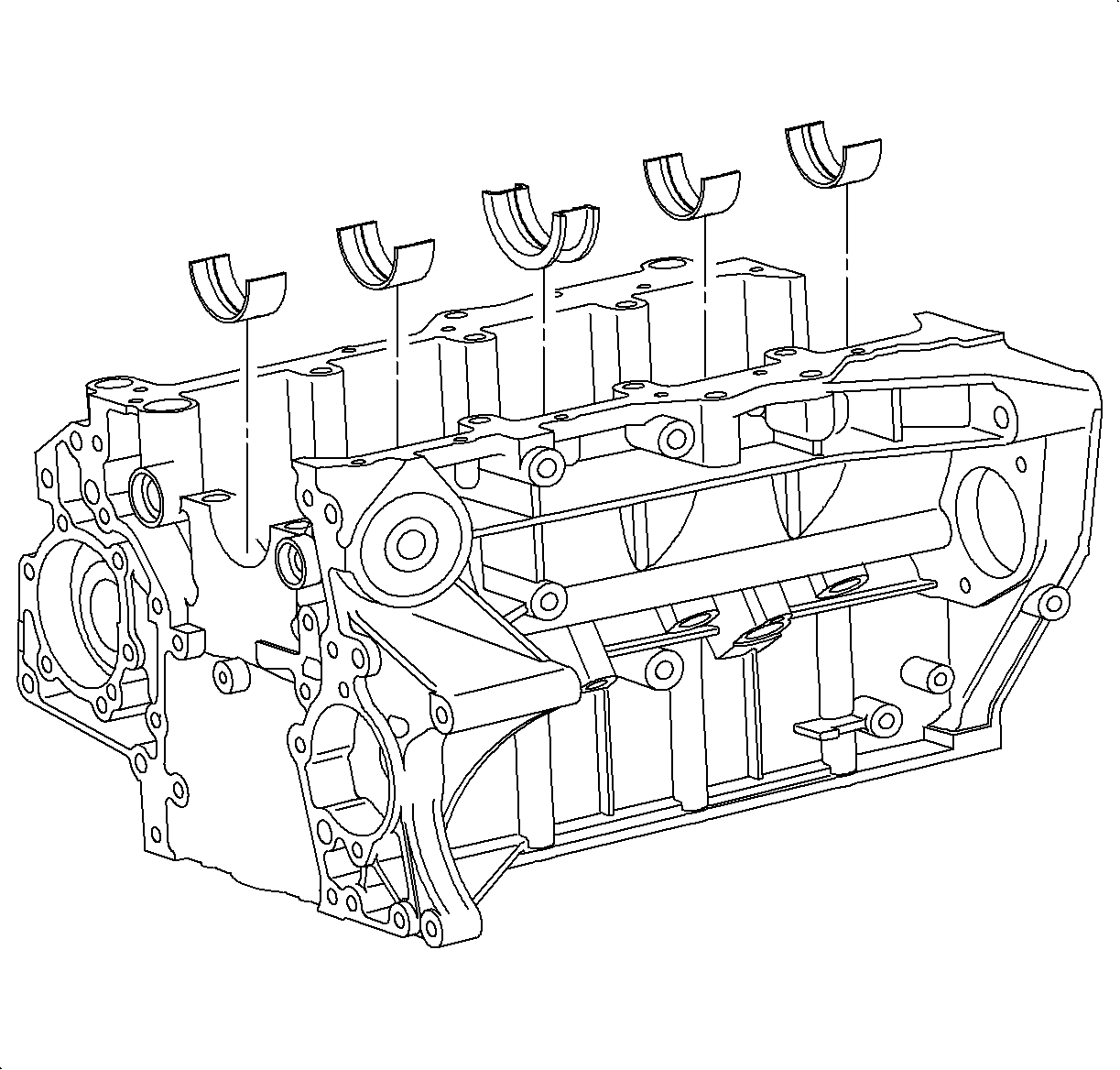
Install the bearings with the oil holes in
the block. The bearings with no holes must go in the main bearing caps.Important
Inspect the alignment of the bearing oil
hole to the block bulkhead oil feed hole. At least 50 percent of the feed hole
must be opened/exposed.Important
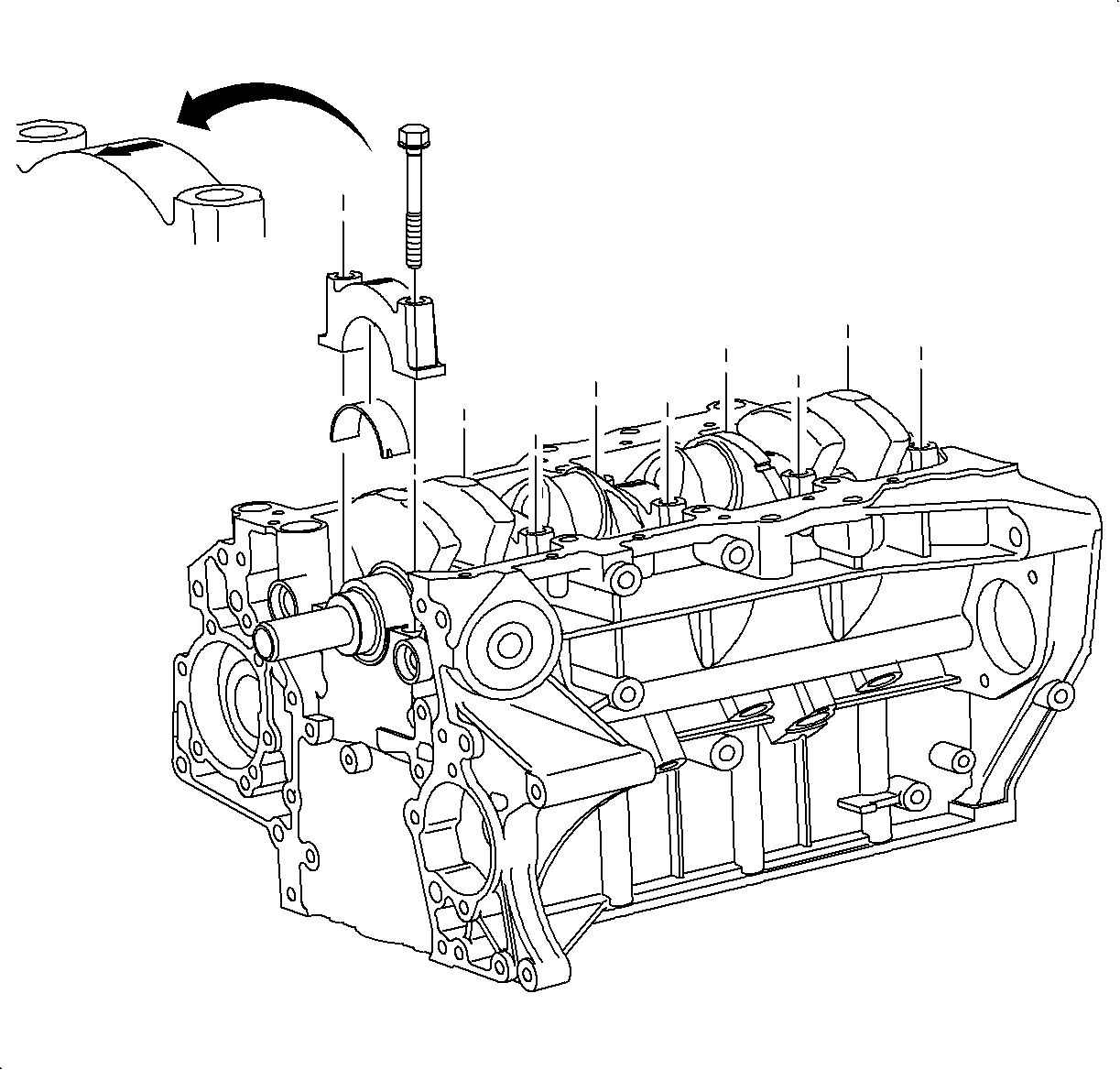
Bearing caps are numbered 1-5
and have an arrow that points toward the front of the engine. The no. 1 cap
is at the front of the cylinder block.Important
- Install the bearing caps in their proper locations. The arrow on the bearing cap points toward the front of the cylinder block.
- Using a rubber mallet, rap the crankshaft rearward then forward in the cylinder block to align the thrust bearing.
- Apply a light coat of engine oil on the threads and under the heads of the cap bolts.
- Install and uniformly tighten the 10 cap bolts in several passes, in an 8, 7, 4, 3, 1, 2, 5, 6, 9, 10 sequence. Tighten
- Check that the crankshaft turns smoothly.
- Check the crankshaft thrust clearance. If the clearance is greater than the maximum, replace the thrust bearing. Specifications
- Standard: 0.05-0.2 mm (0.002-0.0089 in)
- Service Limit: 0.25 mm (0.0098 in) max.
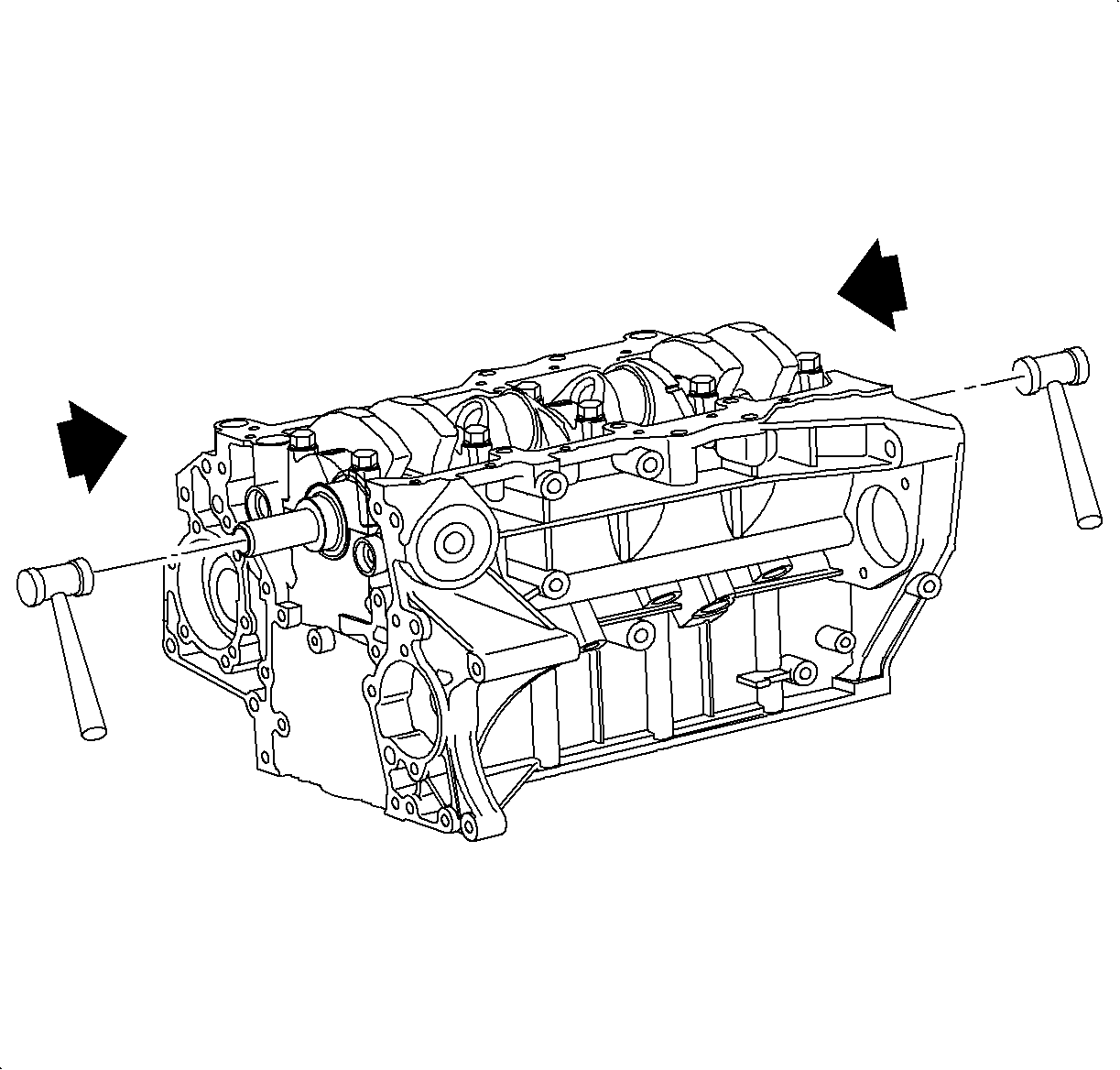
Use a rubber mallet and rap the crankshaft
rearward and forward in the cylinder block to make sure the thrust bearing is properly
aligned.Important
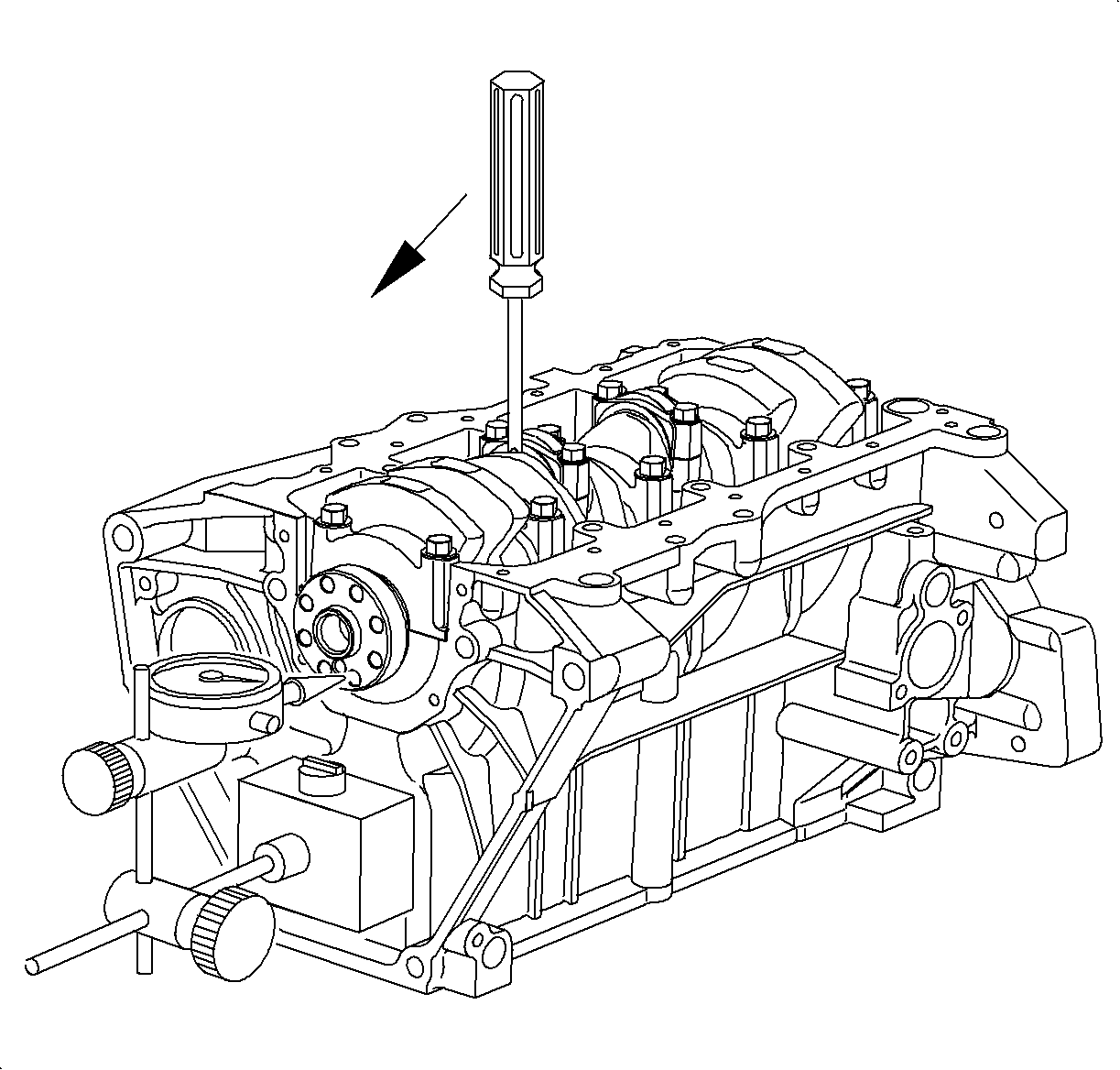
Tighten the bolts to 50N·m (37 lb ft).
If the crankshaft does not turn smoothly,
remove the bearing caps one at a time until the tight bearing is found. Check the
crankshaft journal dimensions and replace the upper and lower bearings as necessary.Important
If a new crankshaft is installed, the PCM
will be required to learn the reluctor ring notch locations of the new crankshaft.
Refer to Powertrain Control Module.Important
- Thrust Clearance
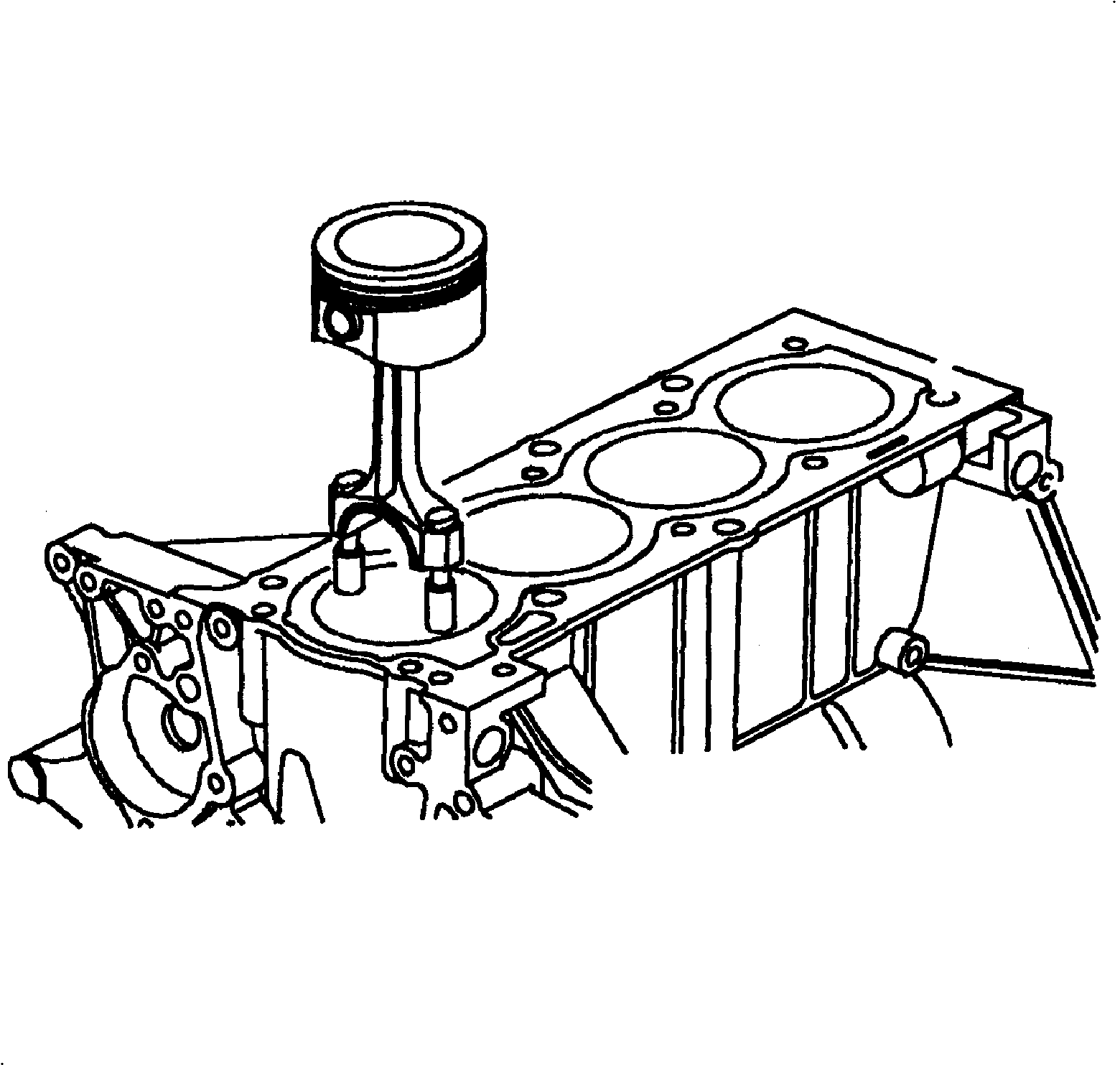
Do not pull the pistons down through the
cylinder bores beyond their normal travel.Important
- Cover the connecting rod bolts with a short piece of 6.36 mm (1/4 in) inside diameter hose to protect the crankshaft from damage. Install the upper connecting rod bearings and coat with oil, if not completed previously.
- Using the SA9142E , push the correct piston and connecting rod assembly into each cylinder with the mark on the piston facing forward.
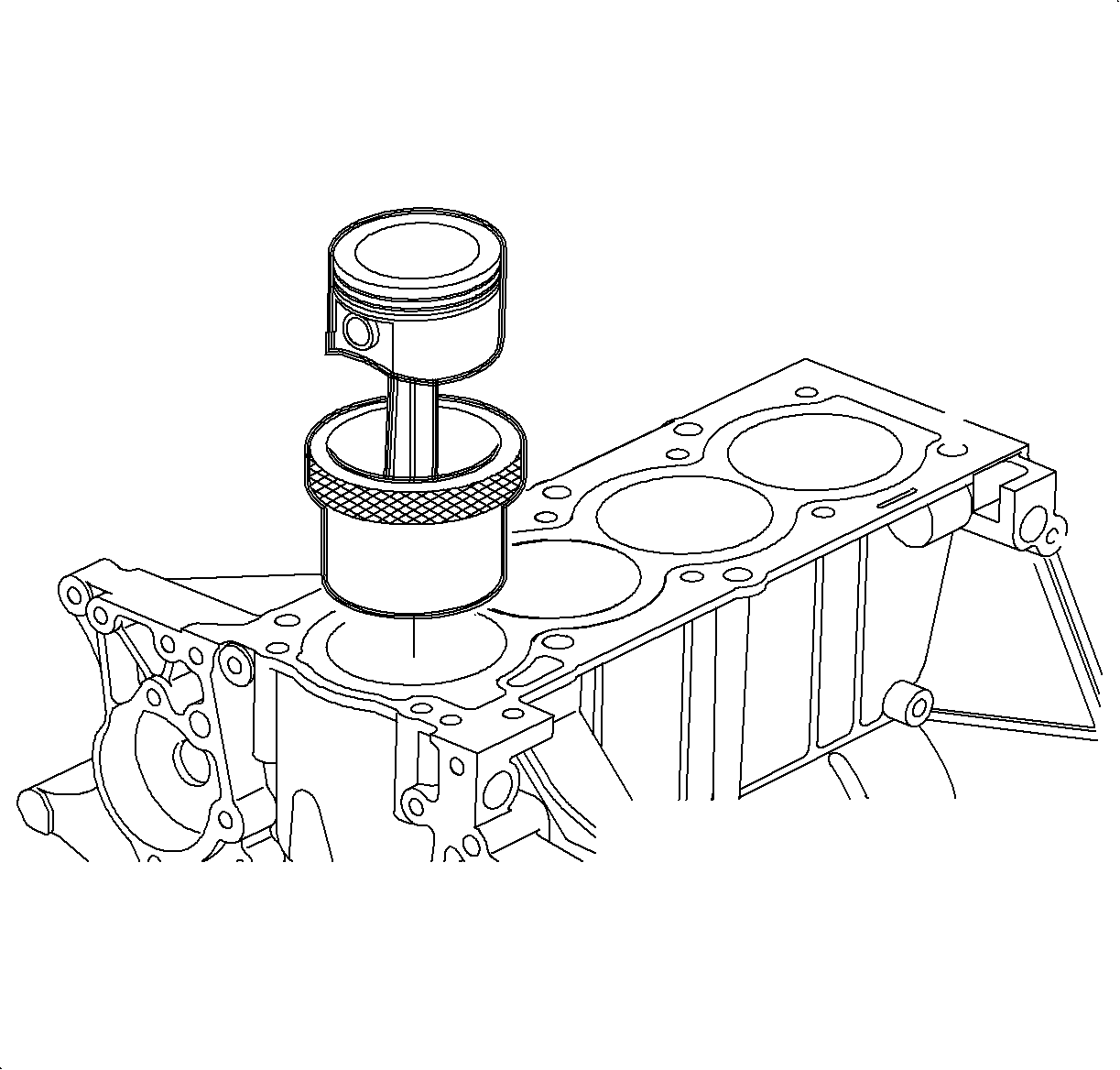
Use extreme care when installing the piston
and connecting rod. The connecting rod must be properly aligned with the crank pin
to prevent journal damage. It is standard practice to assemble the piston and connecting
rod with bearing tang slots in the rod directed toward the exhaust manifold side.Important
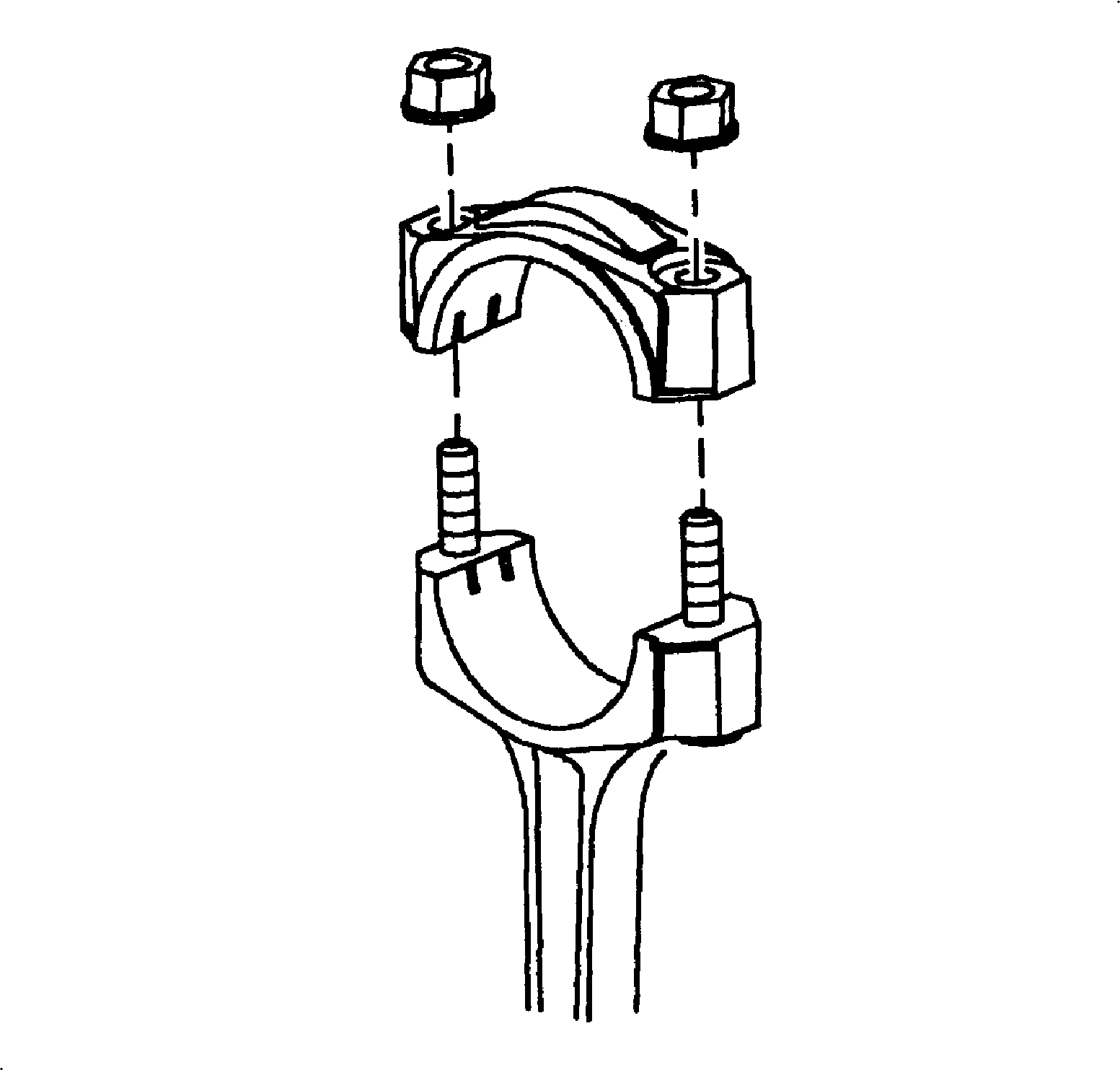
The cap and rod tangs are located on the
same side of the connecting rod bore.Important
- Match the marked cap with the marked connecting rod.
- Install the lower connecting rod bearings in the cap. Apply a light coat of oil on the bearing surface.
- Install the cap with the bearing tang slots in the cap and connecting rod facing each other.
- Apply a light coat of engine oil on the bolt threads and under the nuts of the connecting rod cap.
- Install and alternately tighten the cap nuts in several passes. Tighten
- Check that the crankshaft turns smoothly.
- Check the connecting rod side clearance. Specifications
- Standard: 0.165-0.435 mm (0.0065-0.1713 in)
- Service Limit: 0.47 mm (0.185 in) max.
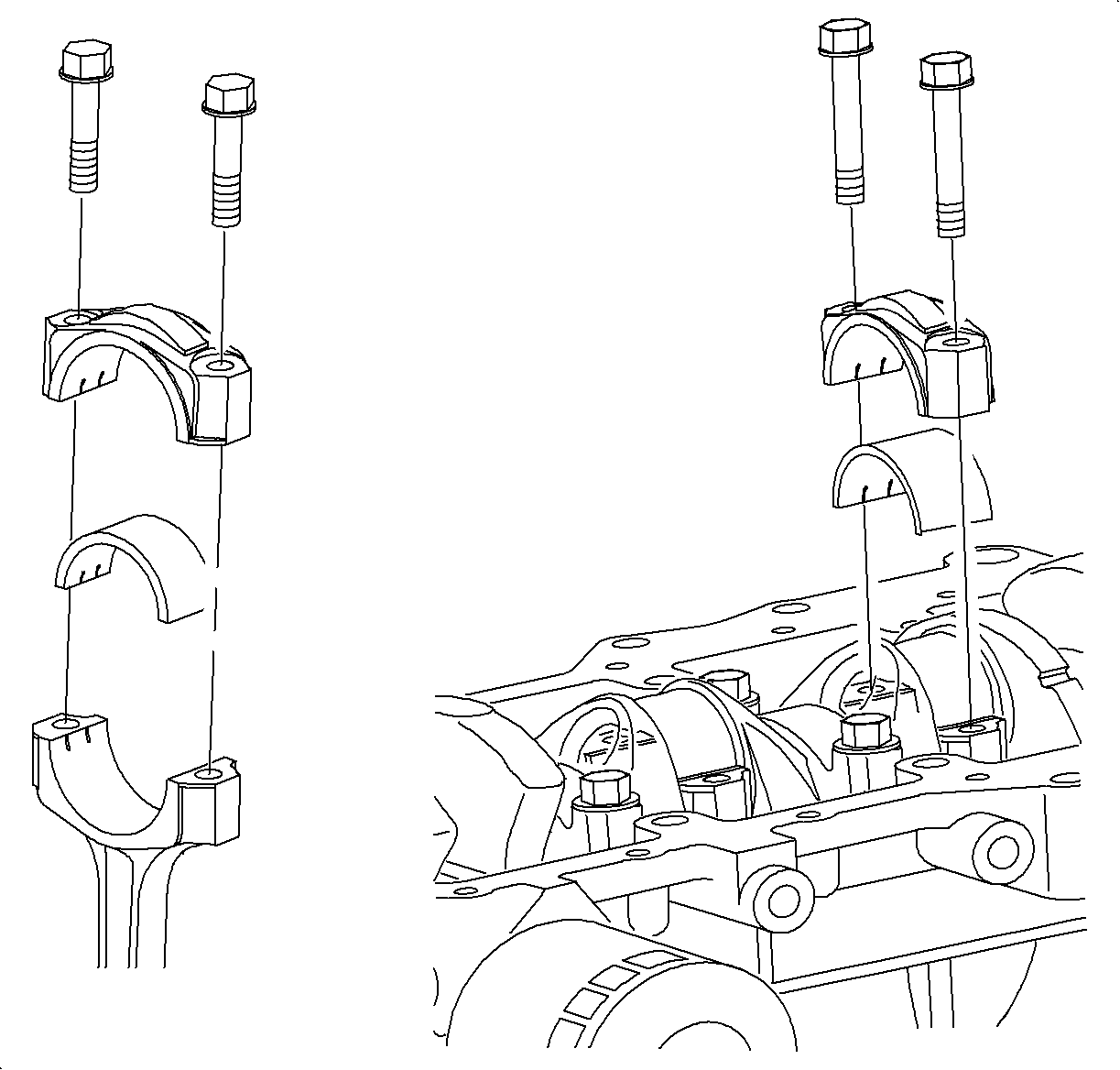
The machined slots in the rod and cap must
be properly aligned to prevent bearing damage.Important
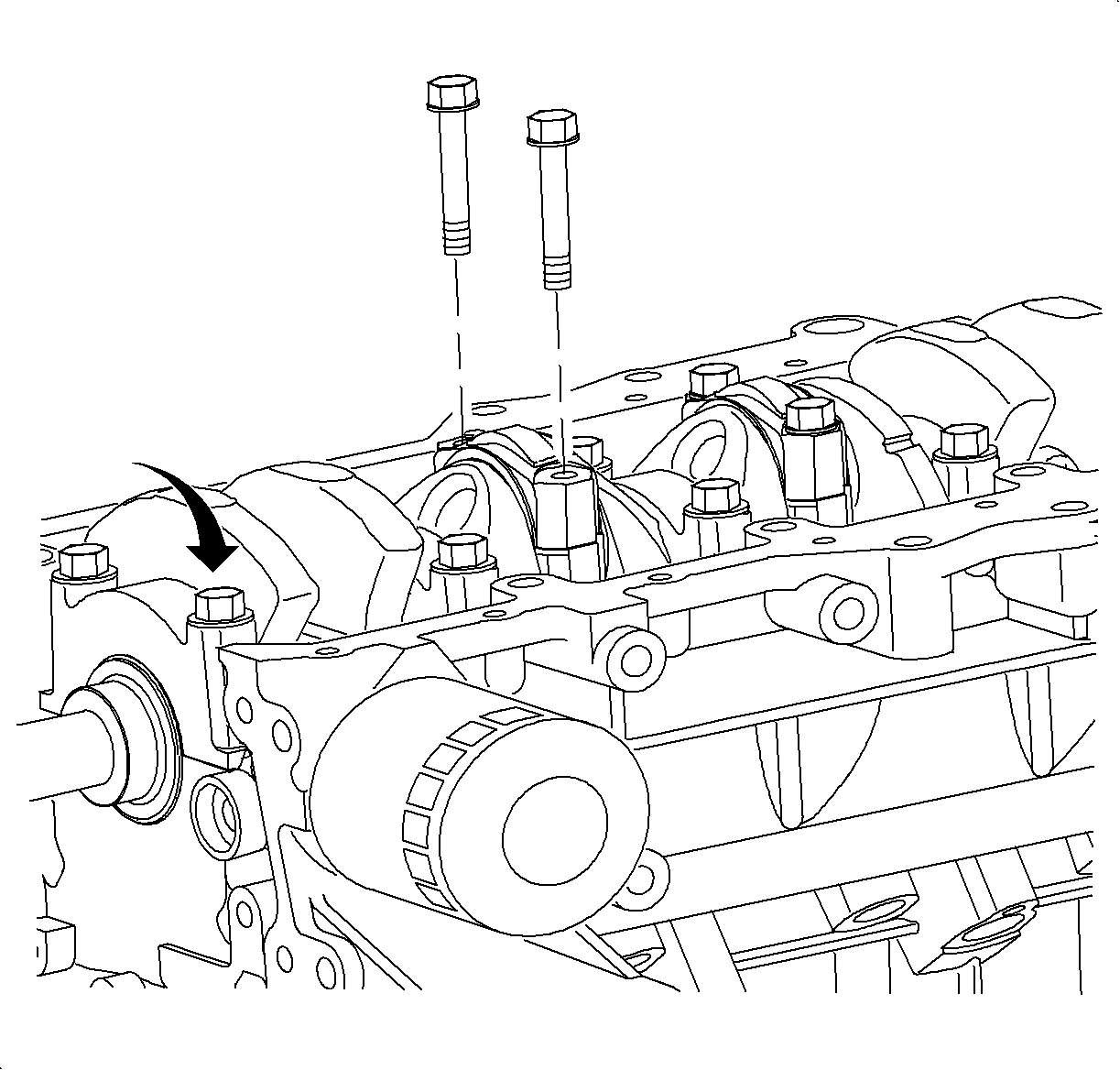
Tighten the nuts to 45 N·m (33 lb ft).
If clearance is less or greater than the
maximum, replace the connecting rod assembly. If necessary, replace the crankshaft.Important
- Side Clearance
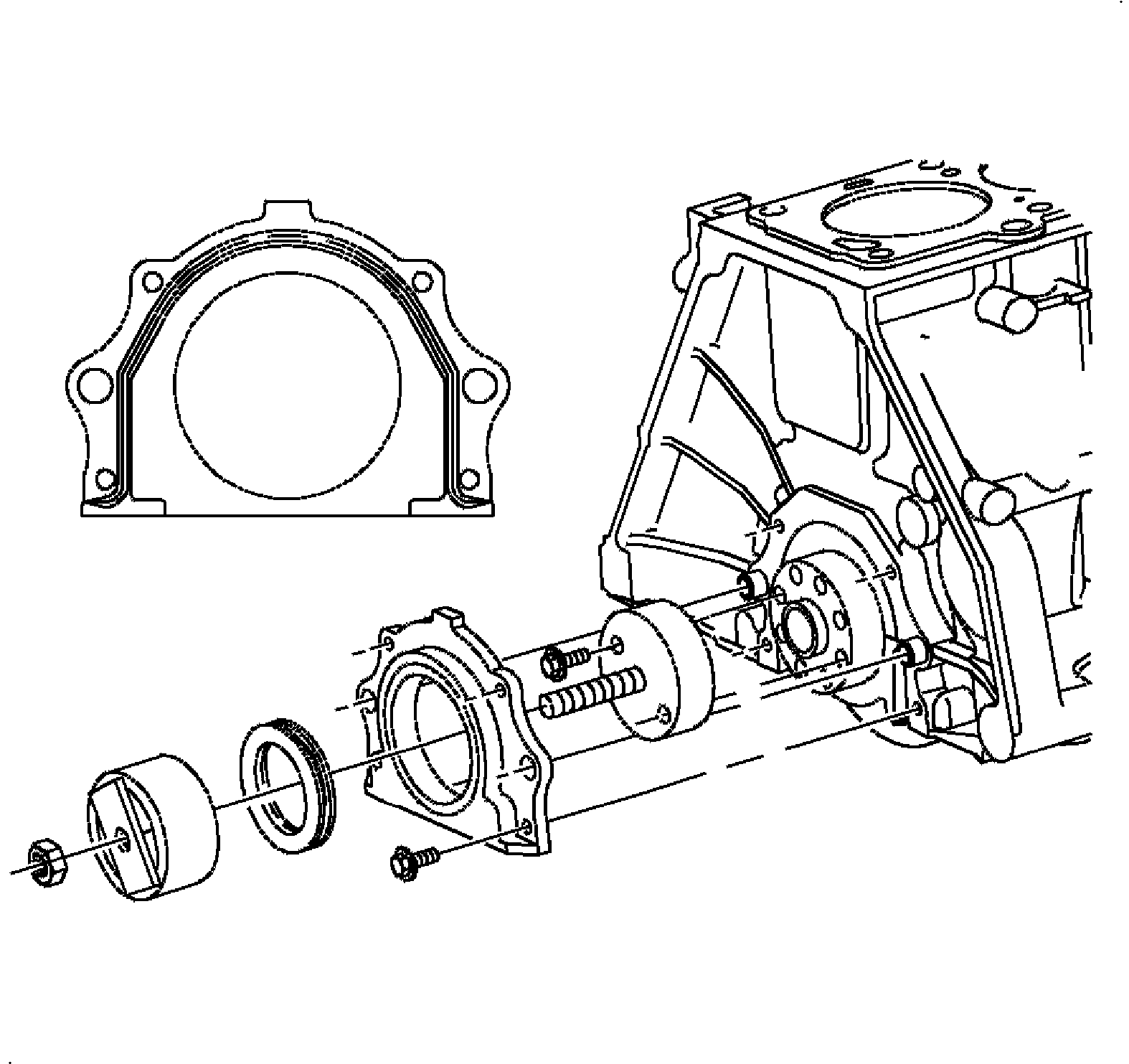
Check the oil seal lip contact surface of the crankshaft for scratches or damage.
If rust is present, remove with a Scotch-Brite® pad or equivalent. Do not use
emery cloth, sandpaper, or other abrasive materials. Rust removal is necessary to
prevent seal lip damage during installation.Notice
- Piston Protrusion Above Deck of Block
- Standard: 0.3 mm (0.0118 in) max.
- Service Limit: 0.379 mm (0.0149 in) max.
- Piston Protrusion Below Deck of Block
- Standard: 0.066 mm (0.0026 in) max.
- Service Limit: 0.145 mm (0.0057 in) max.
- Make sure the surface is free of RTV and clean with a chlorinated solvent, such as carburetor spray cleaner, brake clean, or alcohol Saturn P/N 21007432, or equivalent.
- Install a 2 mm (0.08 in) diameter bead of RTV on the rear seal carrier.
Assemble while the RTV is still wet, within
3 minutes. Do not wait for the RTV to skin over.Important
Tighten the bolts to 11 N·m (97 lb in).
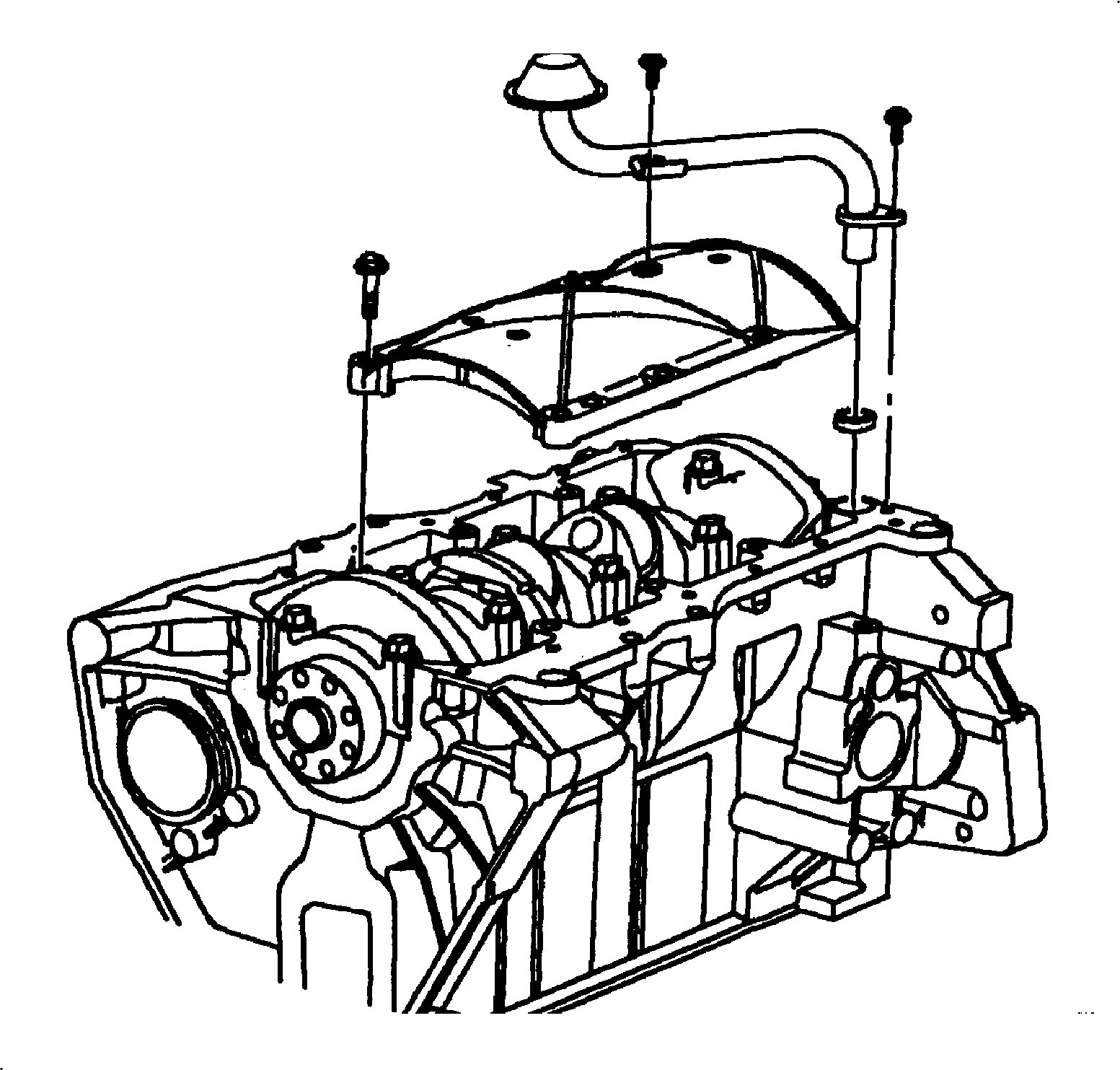
Check components for debris. Clean all parts
before installation.Important
- Tighten the oil pickup tube to block to 15 N·m (133 lb in).
- Tighten the oil baffle plate DOHC (LL0) to 55 N·m (41 lb ft).
- Tighten the oil pipe bracket to block SOHC (L24) to 55 N·m (41 lb ft).
- Tighten the oil pipe bracket to baffle plate DOHC (LL0) to 15 N·m (133 lb in).
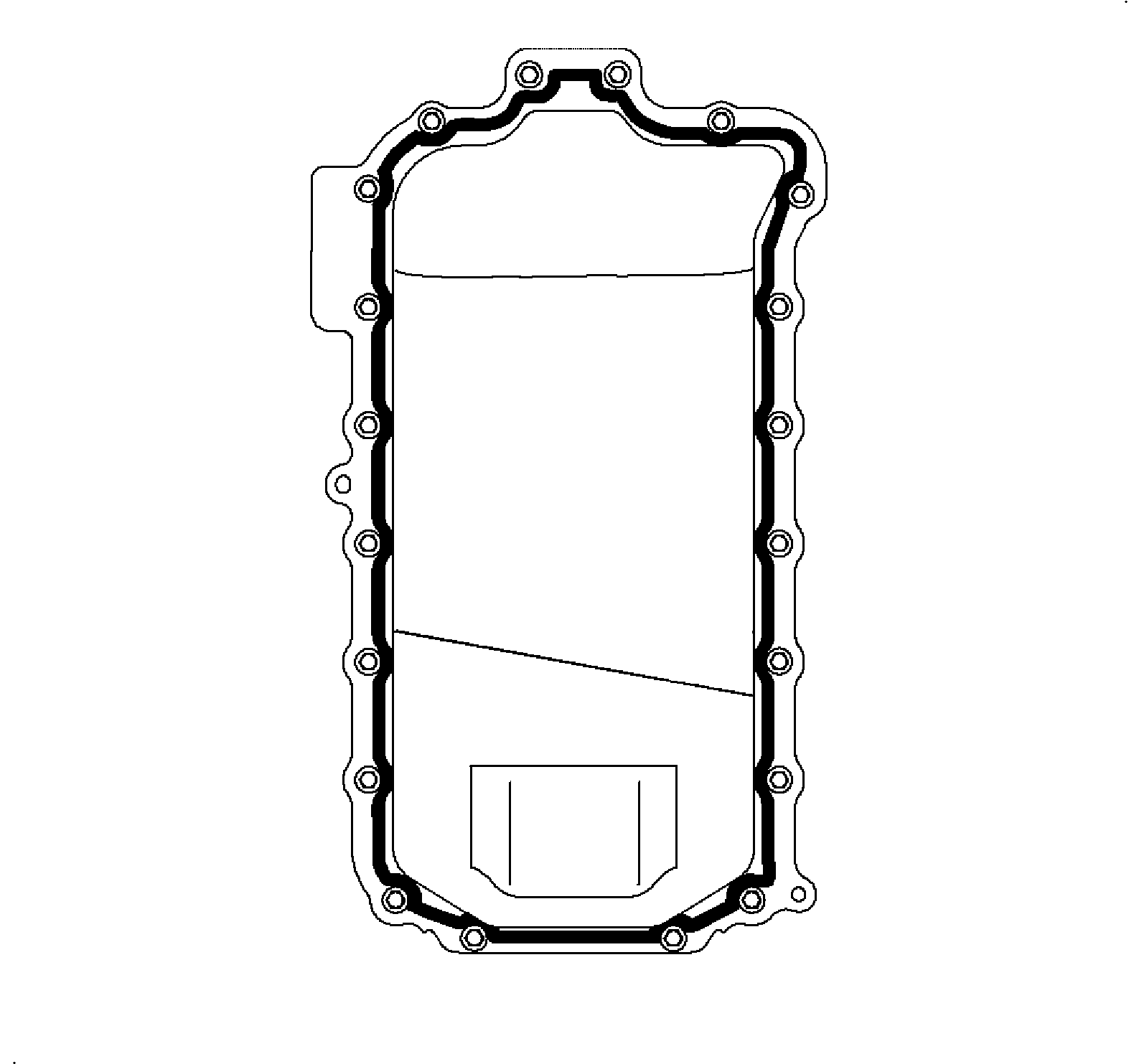
The oil pan is easier to install after the
front cover assembly installation.Important
Assemble while the RTV is still wet, within
3 minutes. Do not wait for the RTV to skin over.Important
Tighten the fasteners to 9 N·m (80 lb in).
- Make sure the oil pan surface is free of cured RTV and cleaned with a chlorinated solvent, such as carburetor spray cleaner, brake clean, or alcohol Saturn P/N 21007432, or equivalent.
- Apply a 4 mm (0.16 in) bead of RTV in the oil pan groove, routing the RTV bead toward the inside of all bolt holes.
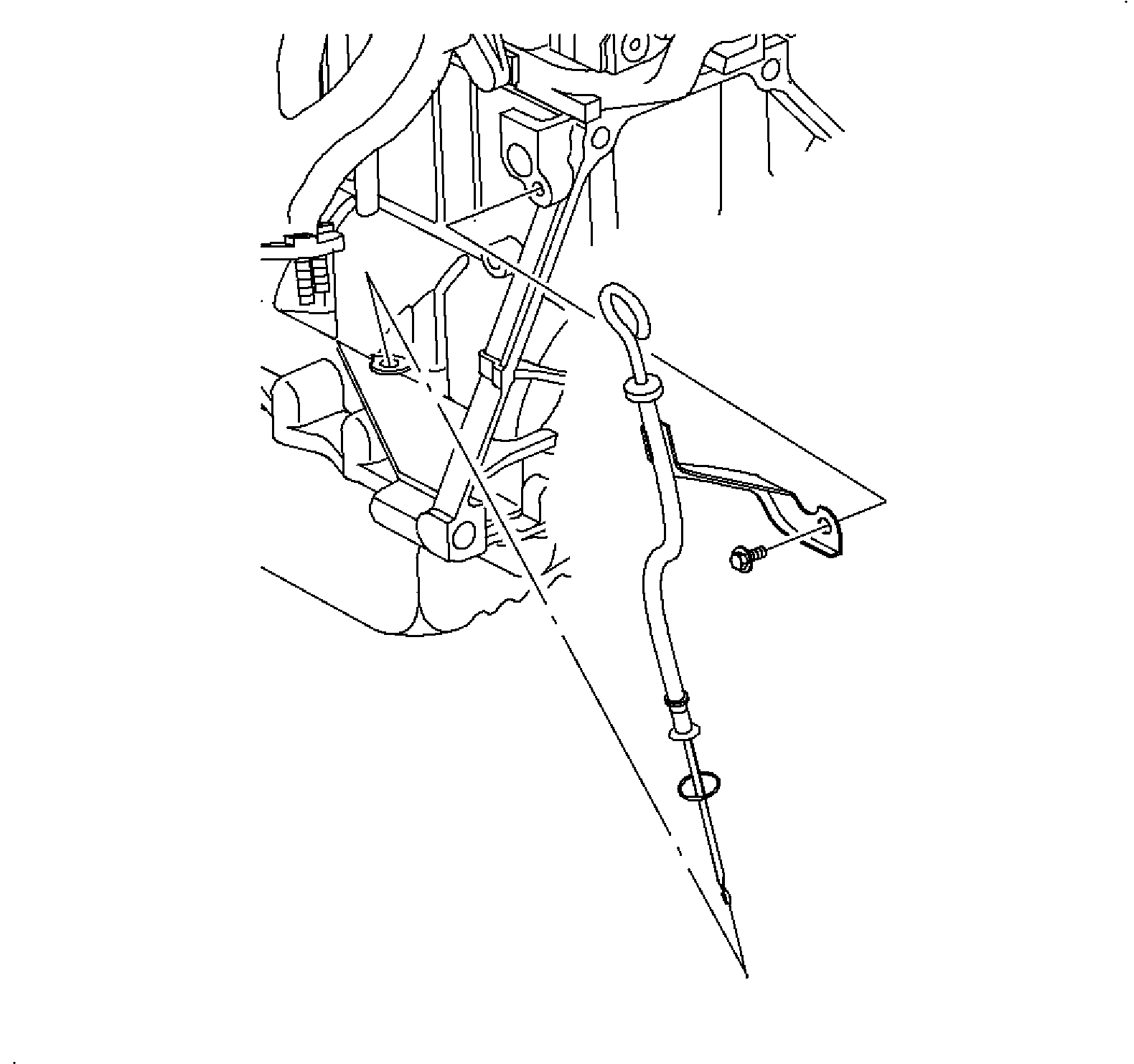
- Tighten the water pump to 30 N·m (22 lb ft).
- Tighten the water pump pulley to 25 N·m (19 lb ft).
Tighten the screw to 30 N·m (22 lb ft).
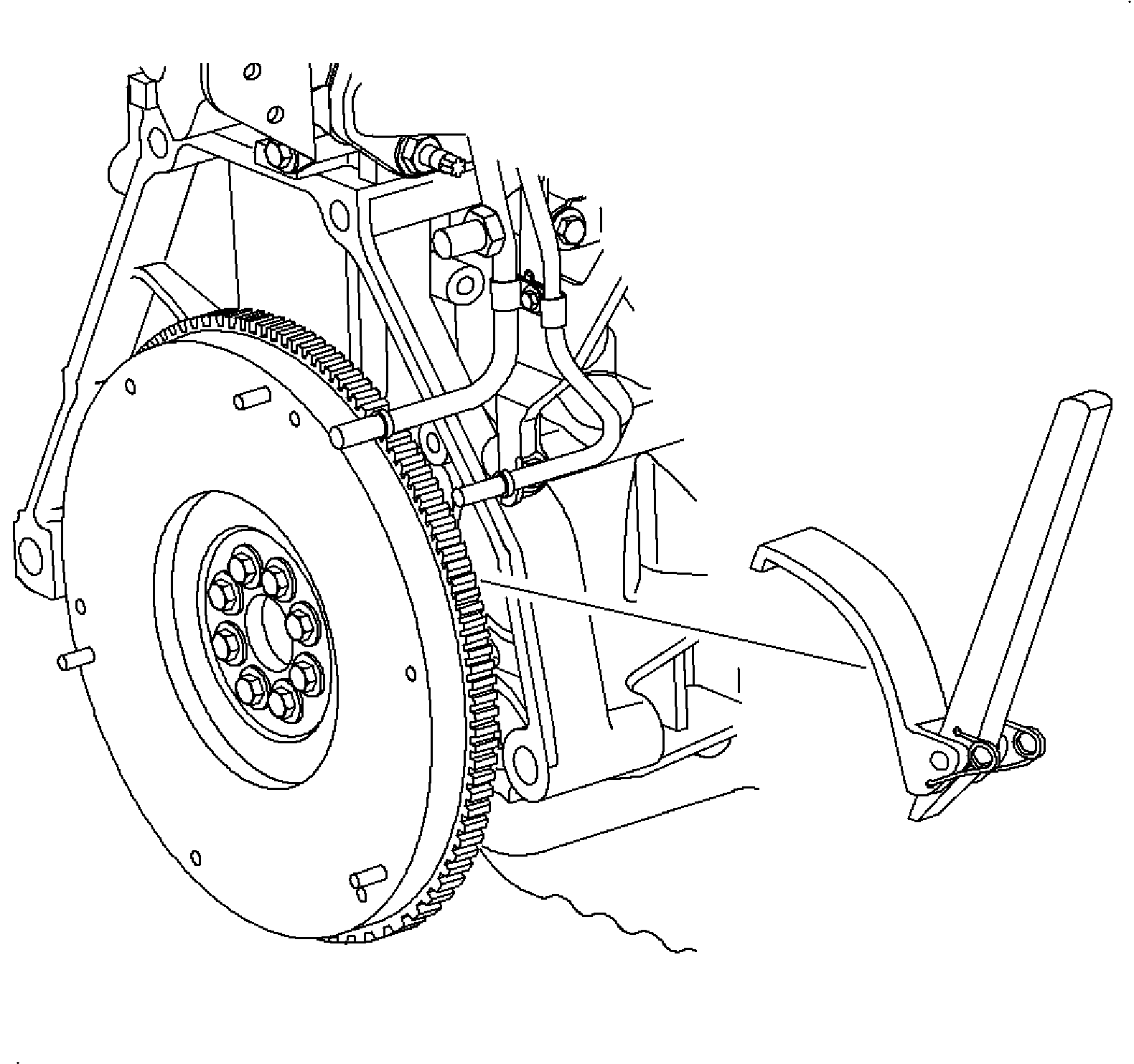
- Tighten the flexplate to crankshaft bolts to 60 N·m (44 lb ft).
- Tighten the flywheel to crankshaft bolts to 80 N·m (59 lb ft).
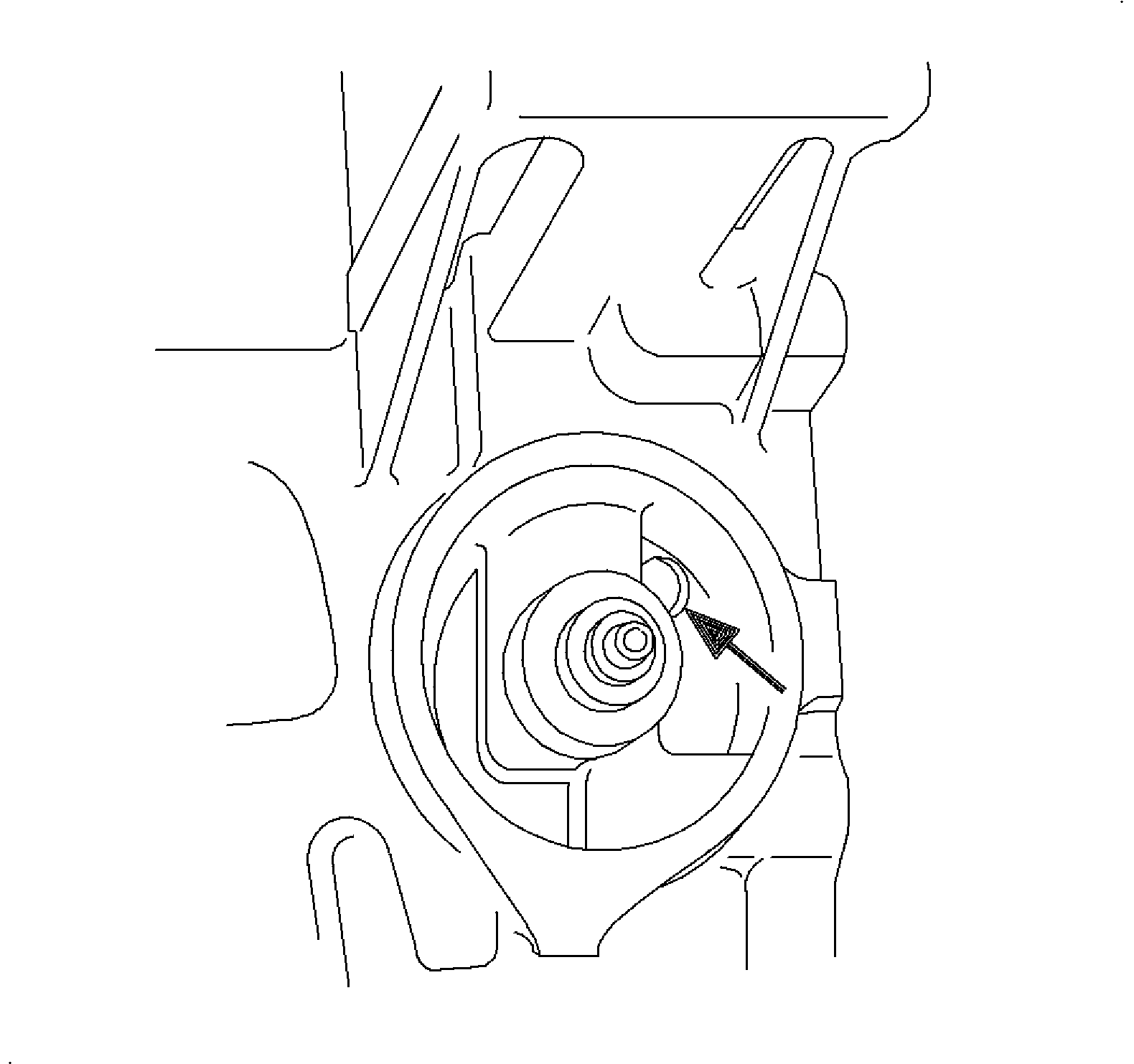
Additional component and sensor torques are
found in the appropriate cylinder head and engine installation sections.Important
- Knock sensor Tighten
- Crankshaft position sensor -- Lubricate the O-ring with oil before installation. Tighten
- Starter motor to block Tighten
- Generator Tighten
- Oil filter Tighten
- Oil pan drain plug Tighten
- Oil pressure sending unit Tighten
- Flywheel Tighten
- Flexplate Tighten
Tighten the knock sensor to 15 N·m (133 lb in).
Tighten the crankshaft position sensor to 9 N·m (80 lb in).
Whenever the cylinder block has been disassembled
or the oil pump is removed, fill the oil cavity under the oil filter with clean engine
oil to prime the pump. The oil pump must also be packed with petroleum jelly as outlined
in the Lubrication System section.Important
Tighten the starter motor to block to 37 N·m (27 lb ft).
Tighten the generator to 32 N·m (24 lb ft).
Tighten the oil filter to gasket contact and 3/4-1 turn.
Tighten the oil pan drain plug to 37 N·m (27 lb ft.
Tighten the oil pressure sending unit to 35 N·m (26 lb ft).
Tighten the flywheel to 80 N·m (59 lb ft).
Tighten the flexplate to 60 N·m (44 lb ft).