Most A/C system problems can be detected by a thorough visual and physical inspection
of the system and its components.
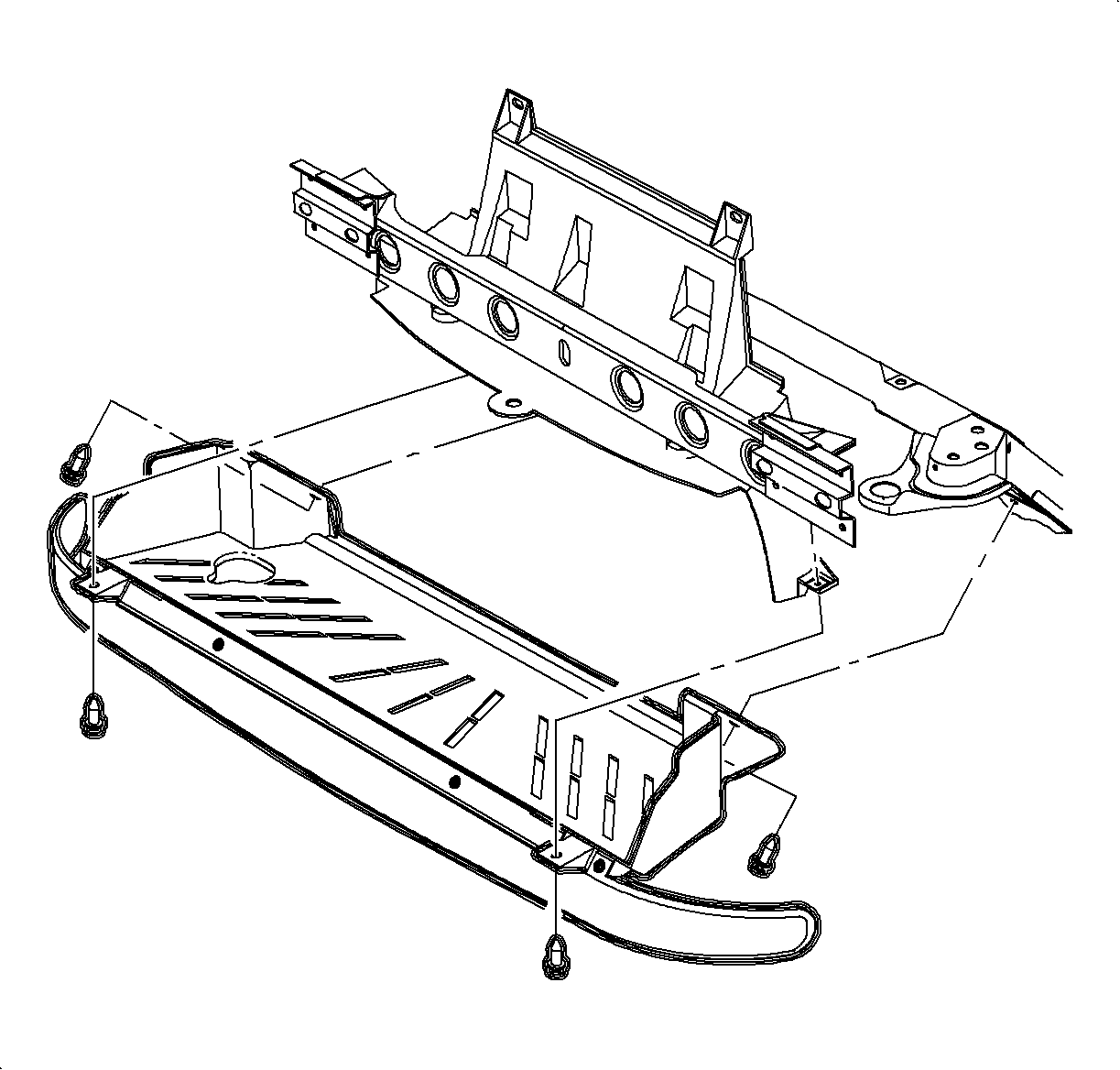
Check the air inlet duct, lower air deflector, condenser to radiator seal,
and rear hood seal for missing or damaged parts.
Important
The importance of this check cannot be stressed enough because proper heating
and cooling depends upon adequate front air flow.
Check the outer surfaces of the radiator and condenser cores, to be sure the
air flow is not blocked by dirt, leaves, or other foreign material.
Check for kinks
in the hoses and lines. Also check for refrigerant leaks using an electronic leak
detector.
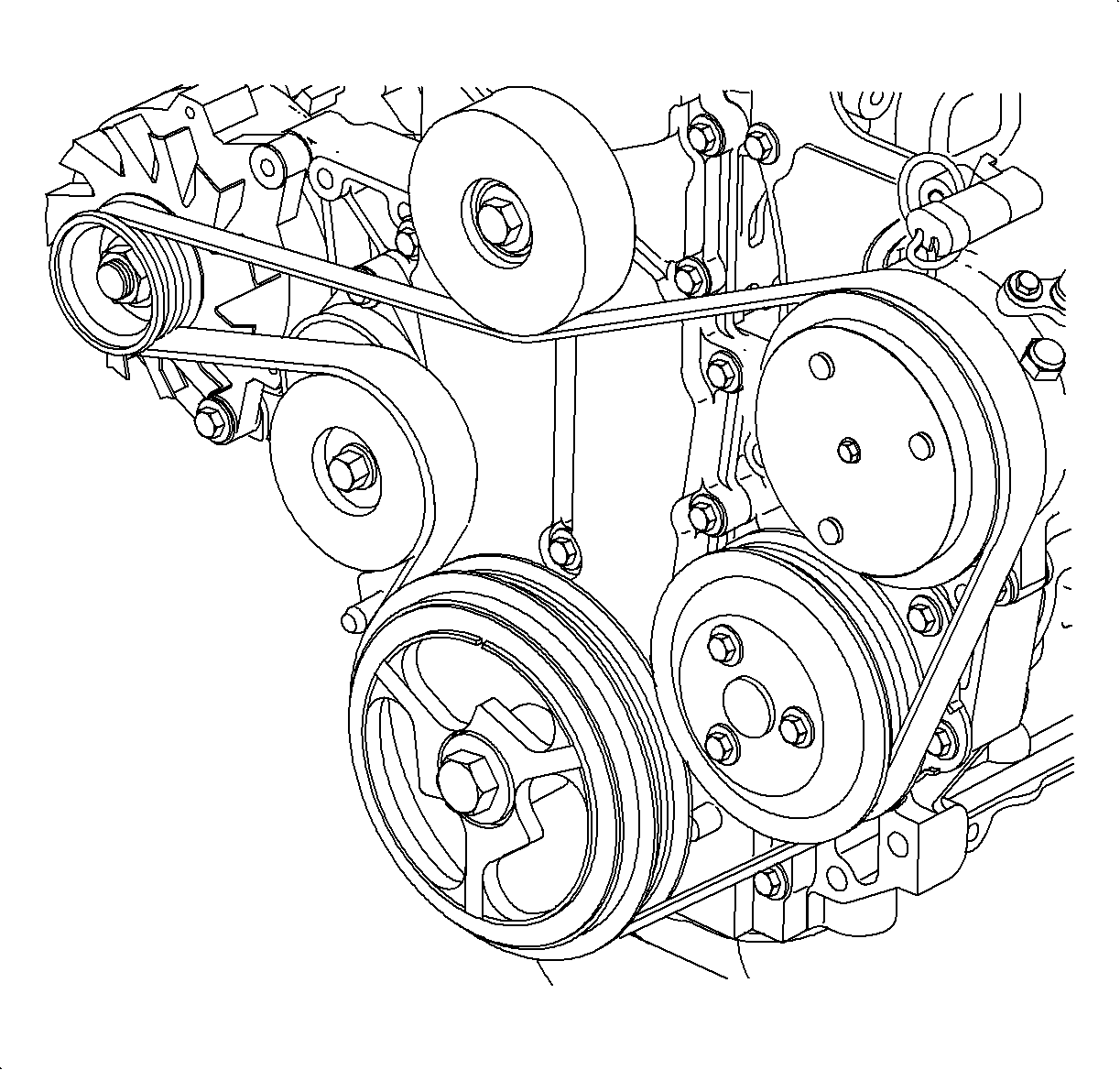
Check for a worn/loose drive belt or malfunctioning belt tensioner.
Check the blower motor operation at all four speeds.
With the blower on high, check for equal distribution of air out of all
the outlets.
Check the operation of the control mode knob and the distribution of air from
the designated outlets.
Depress the recirc button with the blower on high. A noticeable increase
in air flow and sound should occur. The indicator should light. The recirc function
will not work if it is in the defrost position.
Start the engine and run until it is up to operating temperature.
Check the operation of the temperature control knob and the air outlet
temperature from hot to cold.
Depress the A/C button. The indicator should light. Check the compressor for
clutch engagement, slippage, or noise.
Check the electric cooling fan operation with the A/C On.
Turn off the A/C. The compressor clutch should disengage.
If any problem is found in any of the previous steps, go to the complaint
condition cause charts.