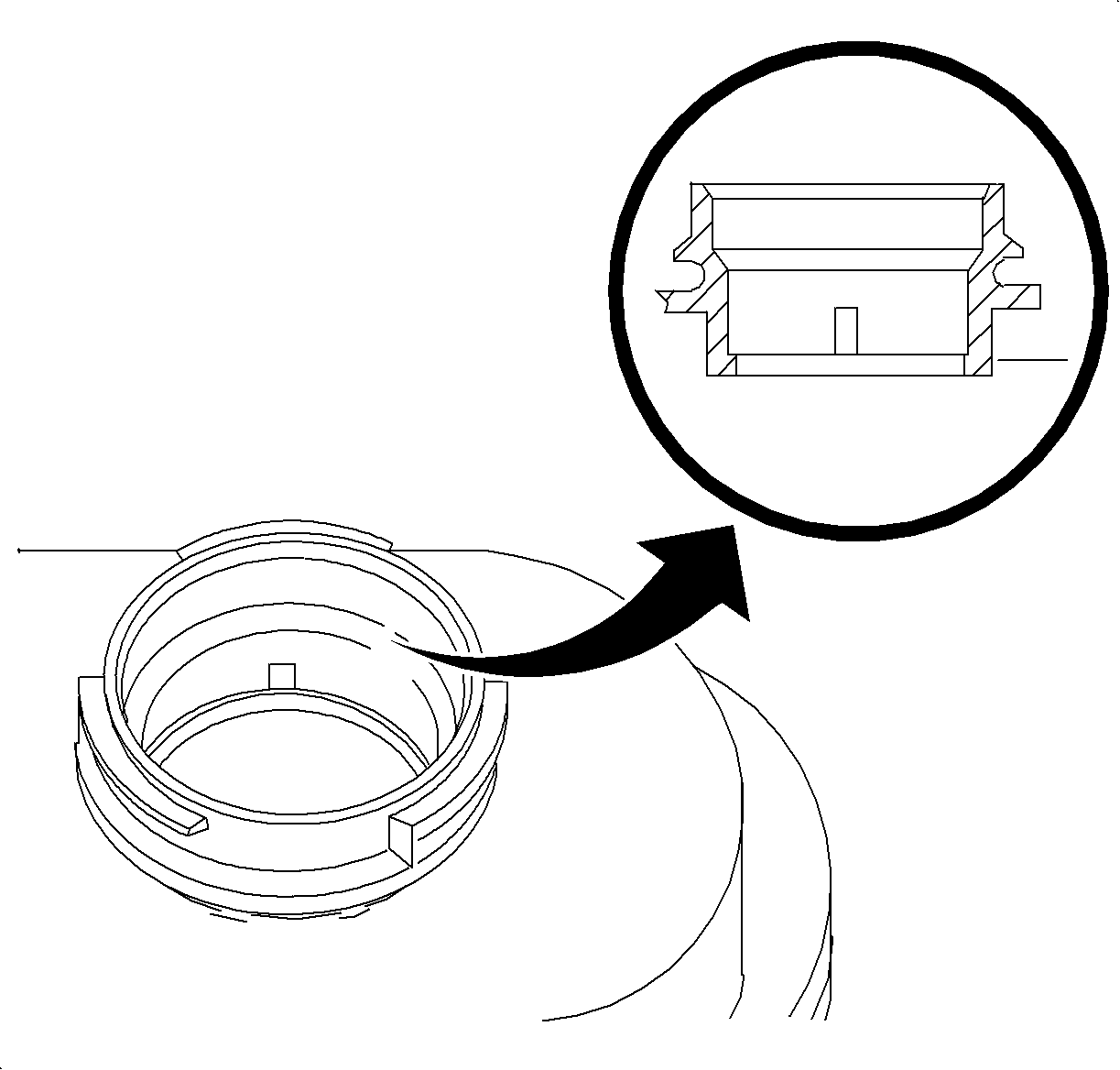

Brake fluid is corrosive to painted surfaces. Take care not to allow brake fluid
to contact painted surfaces on vehicle.Notice
Use only DOT 3 brake fluid from a clean, sealed container. Do not use any fluid
from a container which is wet with water. Do not use DOT 5 silicone fluid.Notice
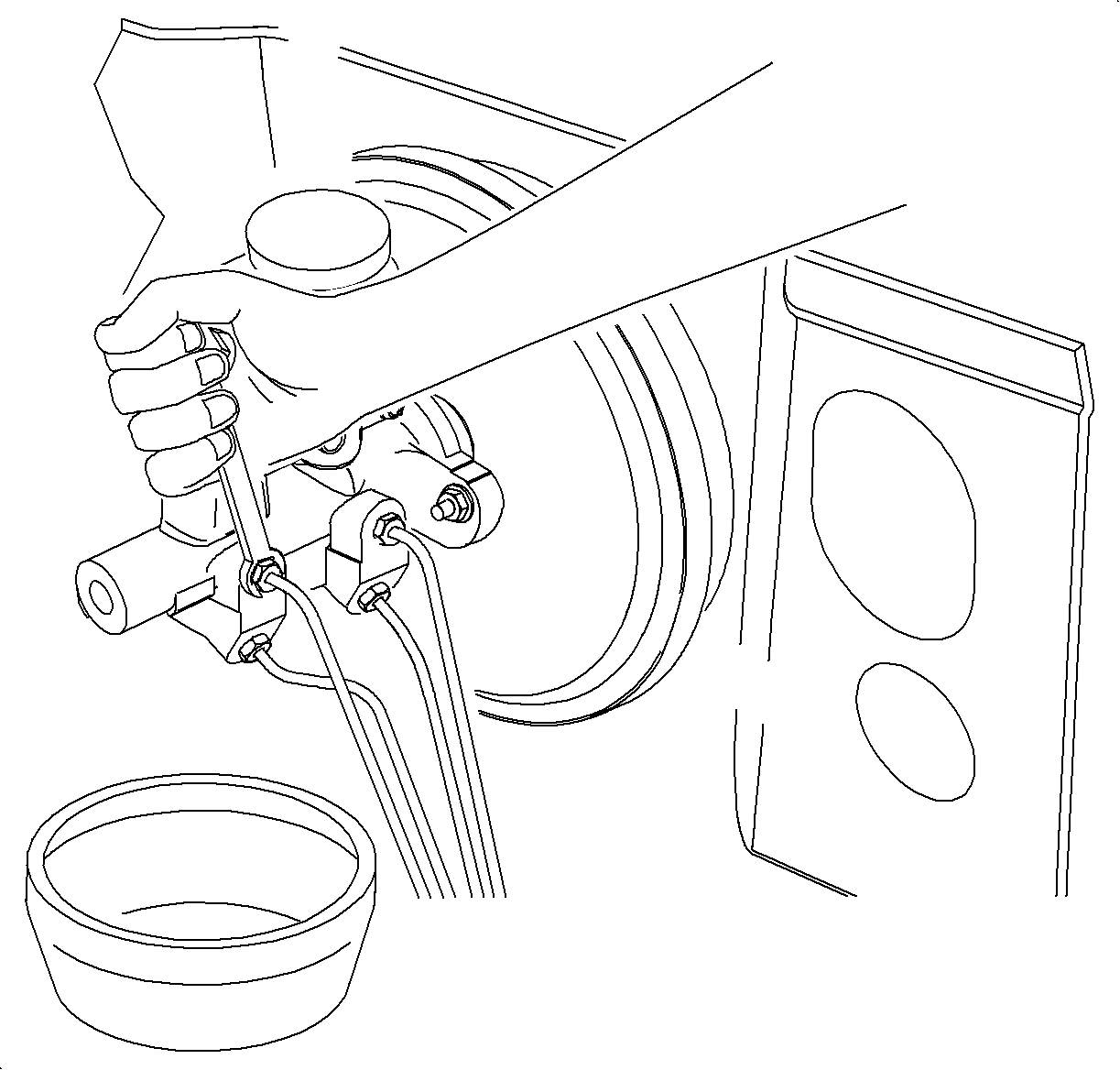
- Loosen the left front brake pipe (front upper port) at the master cylinder.
- Allow the brake fluid to flow from front the master cylinder port.
- Tighten the left front brake pipe into the master cylinder. Tighten
- Loosen the left front brake pipe at the master cylinder 1/4 turn.
- Depress the brake pedal slowly until the fluid is seen coming from the pipe nut.
- Once again, tighten the left front brake pipe into the master cylinder, while the pedal is being depressed.
- Slowly release the pedal. Tighten
- Repeat the sequence until all the air is removed from the front (secondary) master cylinder bore.
- Loosen the right front brake pipe (rear upper port) at the master cylinder.
- Allow the brake fluid to flow from the rear master cylinder port.
- Tighten the right front brake pipe into the master cylinder. Tighten
- Loosen the right front brake pipe at the master cylinder 1/4 turn.
- Depress the brake pedal slowly until the fluid is seen coming from the pipe nut.
- Once again, tighten the right front brake pipe into master cylinder while the pedal is being depressed.
- Slowly release the pedal. Tighten
- Repeat the sequence until all the air is removed from the rear (primary) master cylinder bore.
Notice
Refer to Fastener Notice in Cautions and Notices.
Tighten the fastener to 32 N·m (24 lb ft).
Tighten the fastener to 32 N·m (24 lb ft).
Tighten the fastener to 32 N·m (24 lb ft).
Tighten the fastener to 32 N·m (24 lb ft).
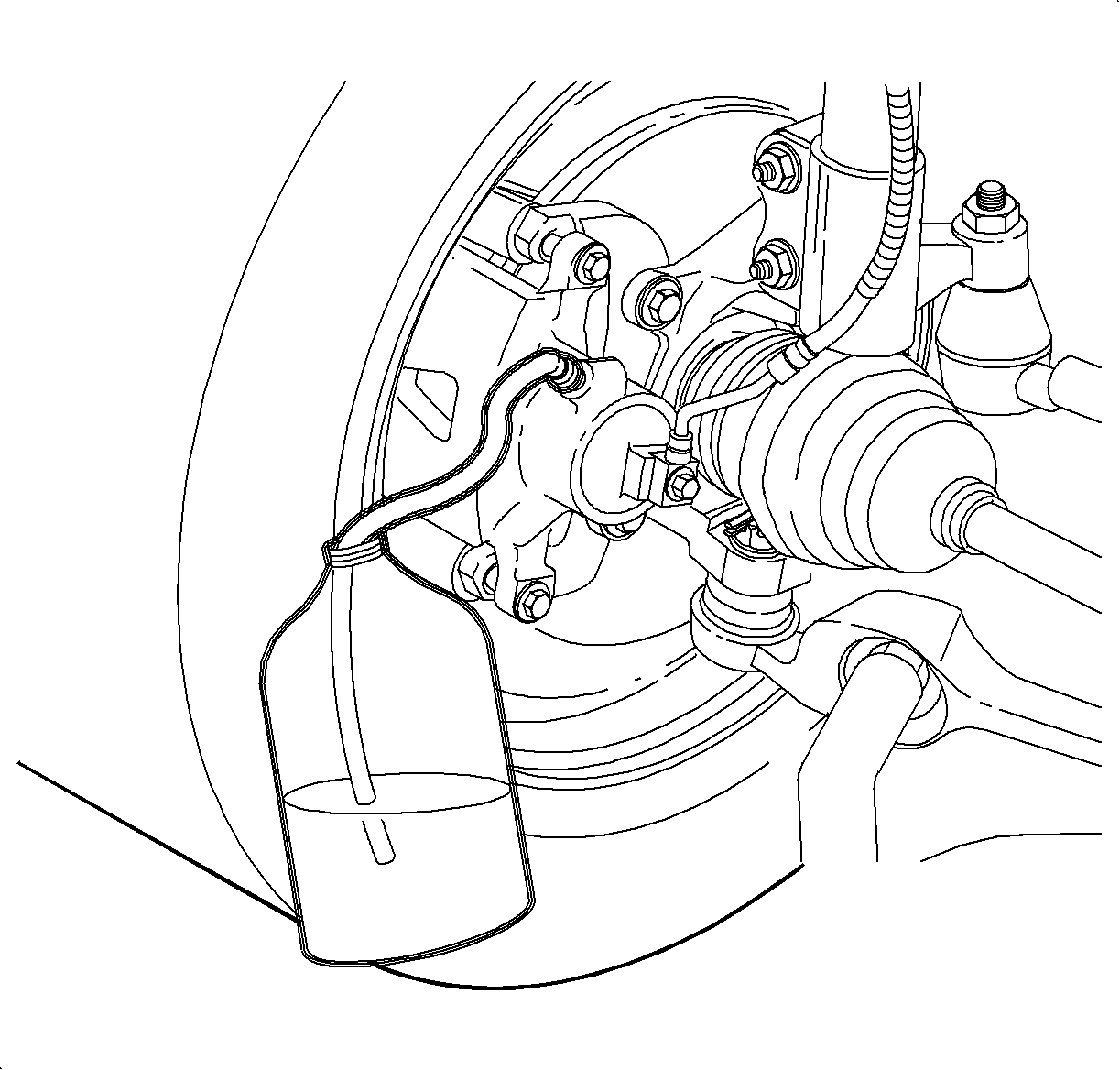
- Place a wrench over the bleeder valve.
- Attach a transparent hose over the bleeder valve nipple. Submerge the other end of the hose in a transparent container of brake fluid.
- Loosen the bleeder screw.
- Apply the brake pedal slowly and hold.
- Tighten the bleeder valve. Tighten
- Tighten the front brake bleeder valve to 11 N·m (8 lb ft).
- Tighten the rear brake bleeder valve to 7.5 N·m (66 lb in).
- Release the brake pedal.
- Repeat the sequence until all the air is removed from the brake pipes.
To assist in freeing entrapped air, tap lightly on the caliper casting with
a rubber mallet.Important
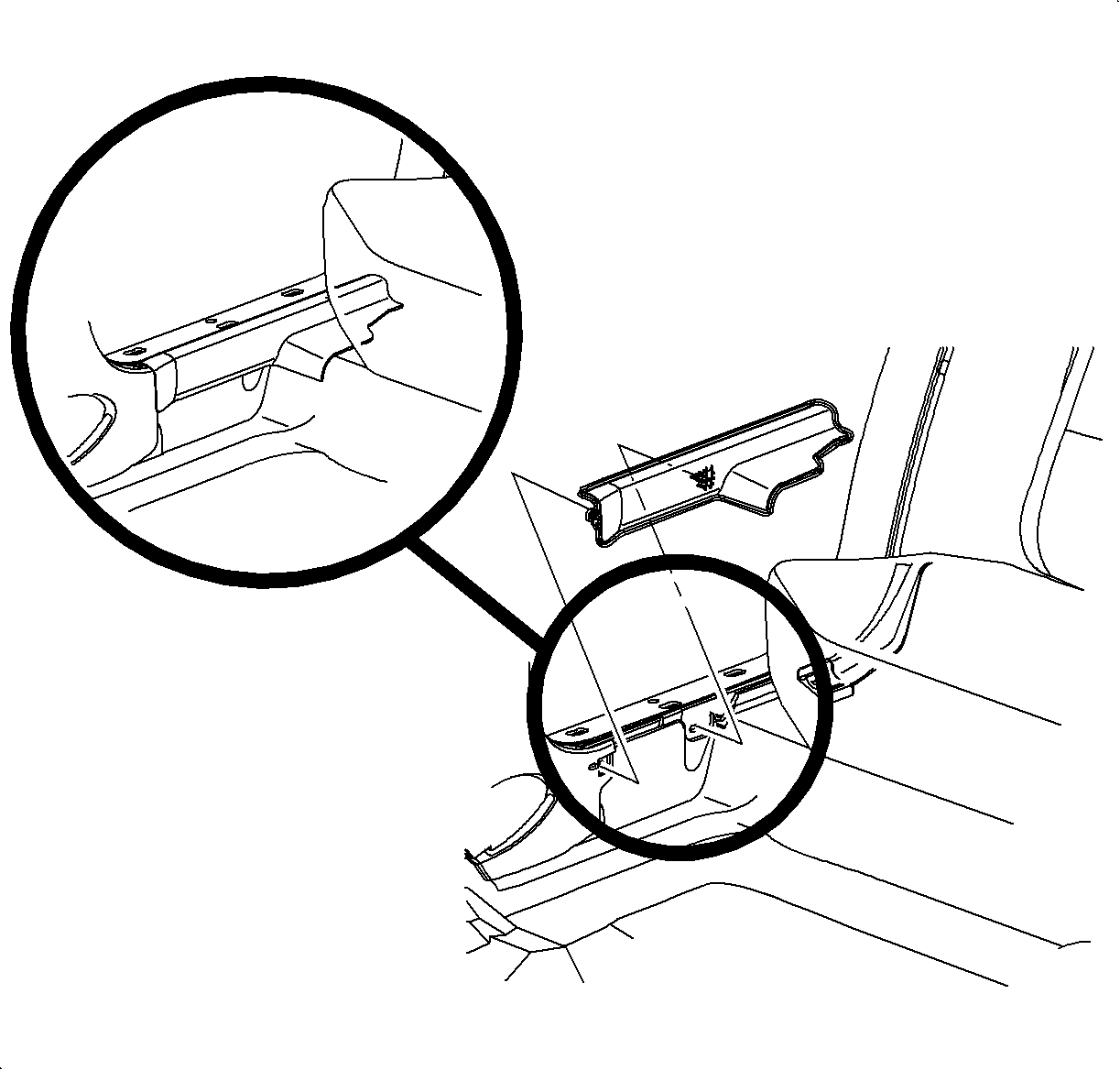
- Right rear
- Left front
- Left rear
- Right front