Master Cylinder Replacement
Removal Procedure
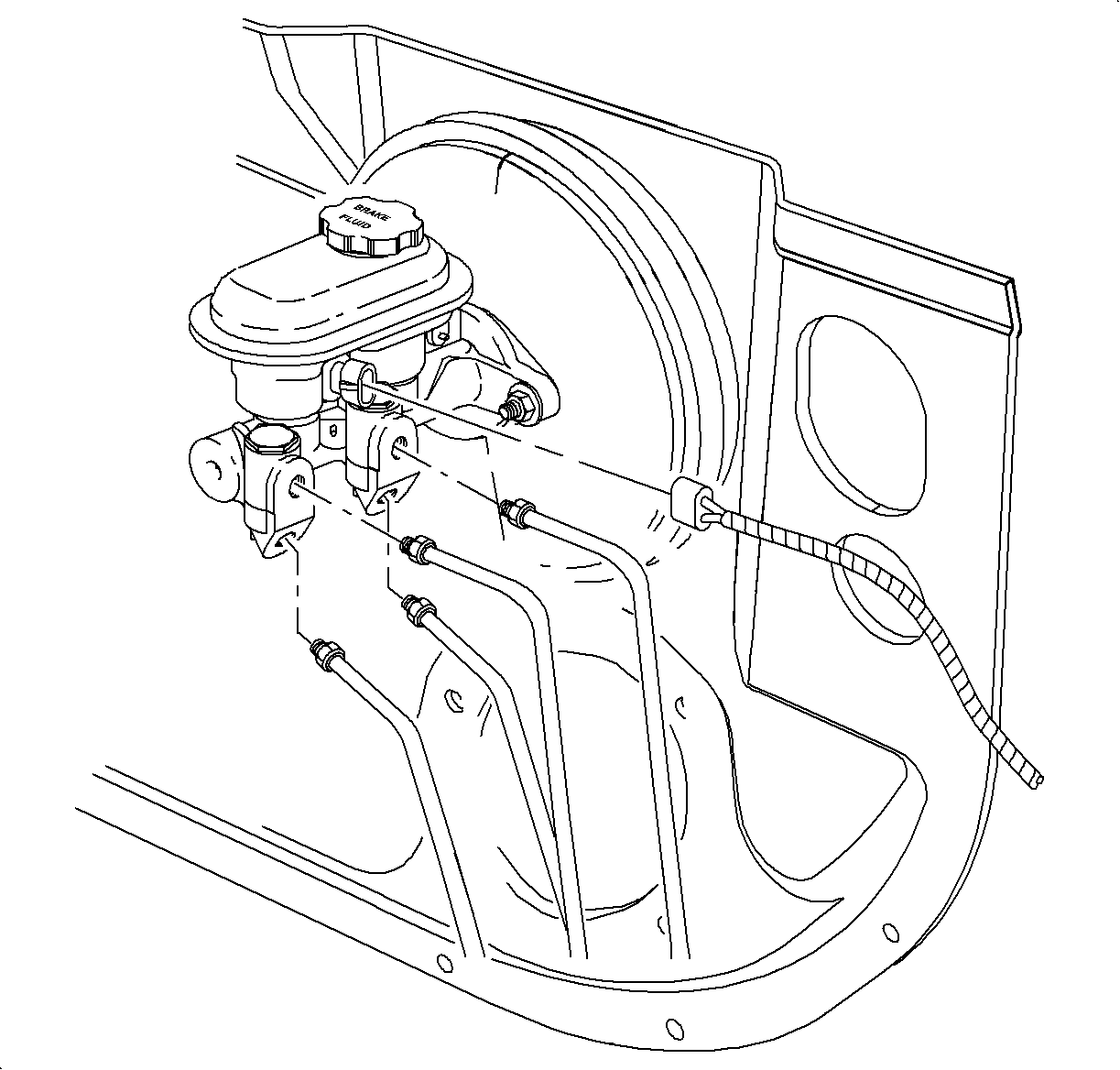

- Disconnect the negative battery cable.
- Remove the brake fluid level switch electrical connector from the master
cylinder reservoir.
Notice
After removing brake pipe nuts, do not excessively pull or bend brake pipes
away from master cylinder.
- Remove the brake pipe nuts from the master cylinder.
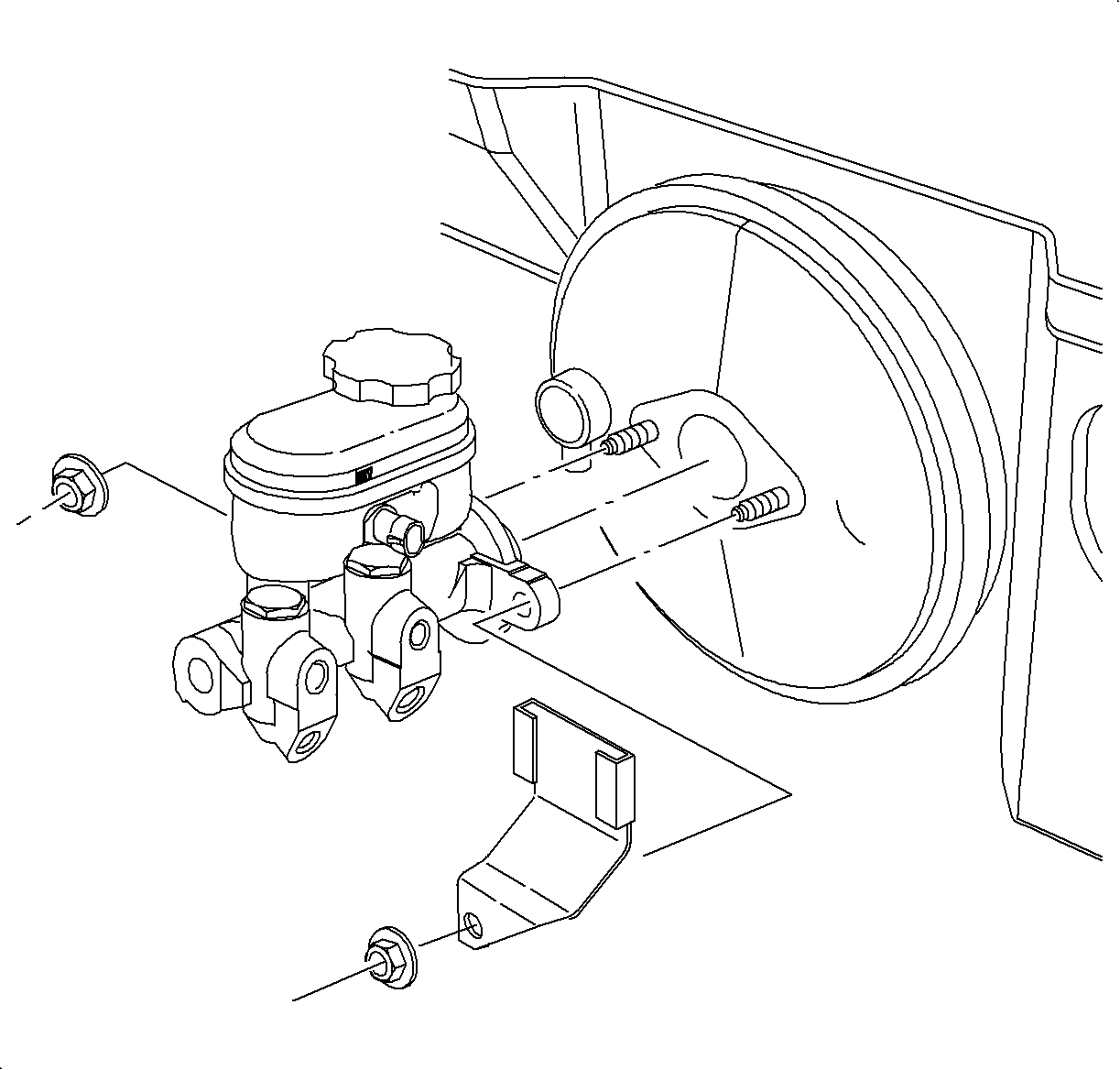
Notice
Plug open brake pipes to prevent brake fluid loss and contamination.
- Remove the two master cylinder-to-brake booster attachment nuts.
Important
On manual transaxle vehicles, the clutch reservoir and bracket will need to
be removed and put aside.
- Remove the master cylinder.
Installation Procedure
Important
On manual transaxle equipped vehicles, install the clutch reservoir bracket
prior to installing fasteners.
- Position the master cylinder onto the brake booster studs and install the fastening
nuts.
TightenTighten the nut to 27 N·m (20 lb ft).
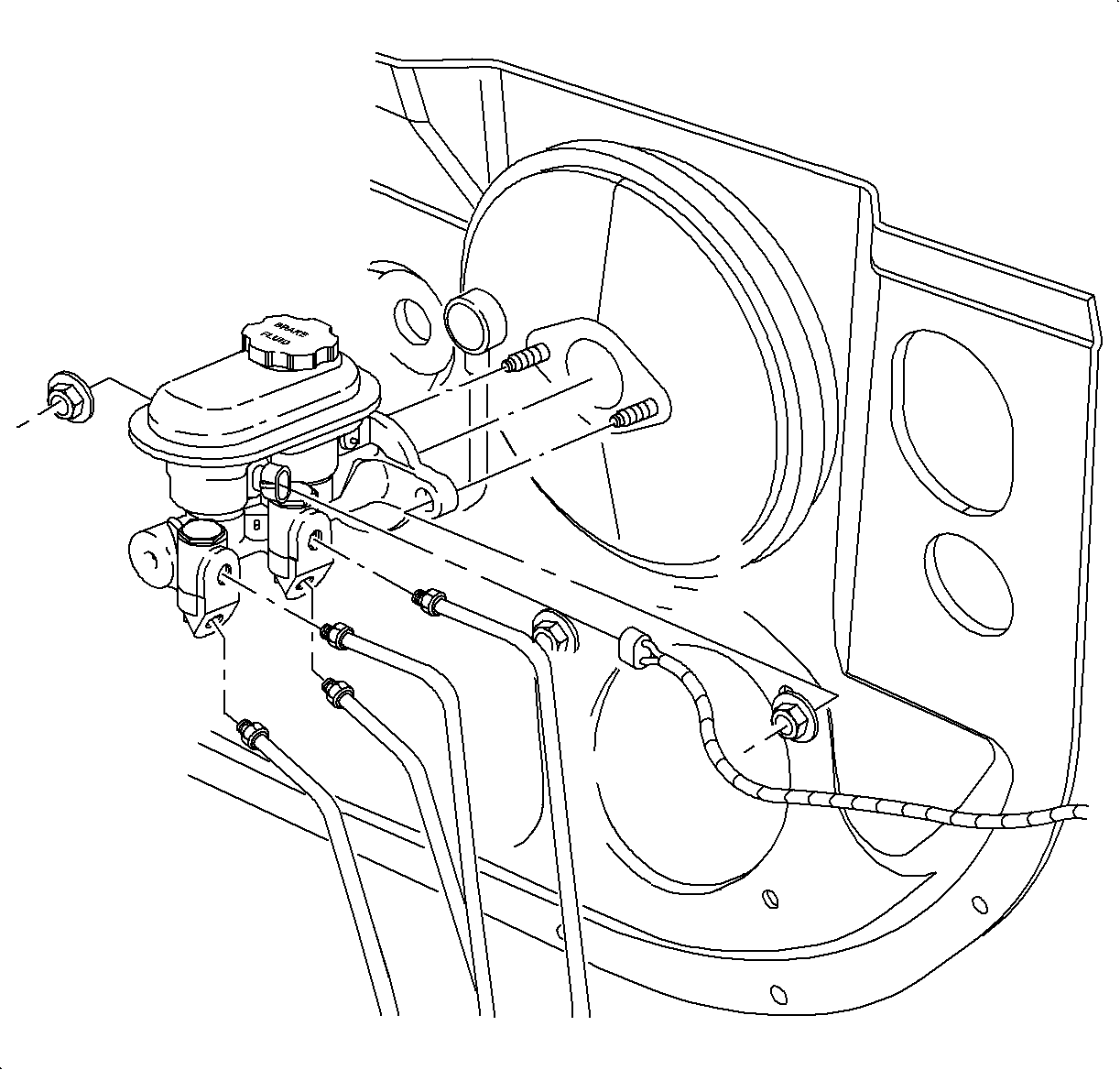
- Position the brake pipes into the master cylinder and tighten the brake pipe
nuts.
TightenTighten the nut to 32 N·m (24 lb ft).
- Connect the electrical connector for the brake fluid level switch.
- Connect the negative battery cable.
TightenTighten the nut to 17 N·m (13 lb ft).
- Fill the brake fluid reservoir with clean brake fluid up to the base of
the reservoir fill neck.
- Bleed the brake system. Refer to
Hydraulic Brake System Bleeding
.
- Check the brake fluid level.
- Check for leaks with the engine running and the brakes applied.