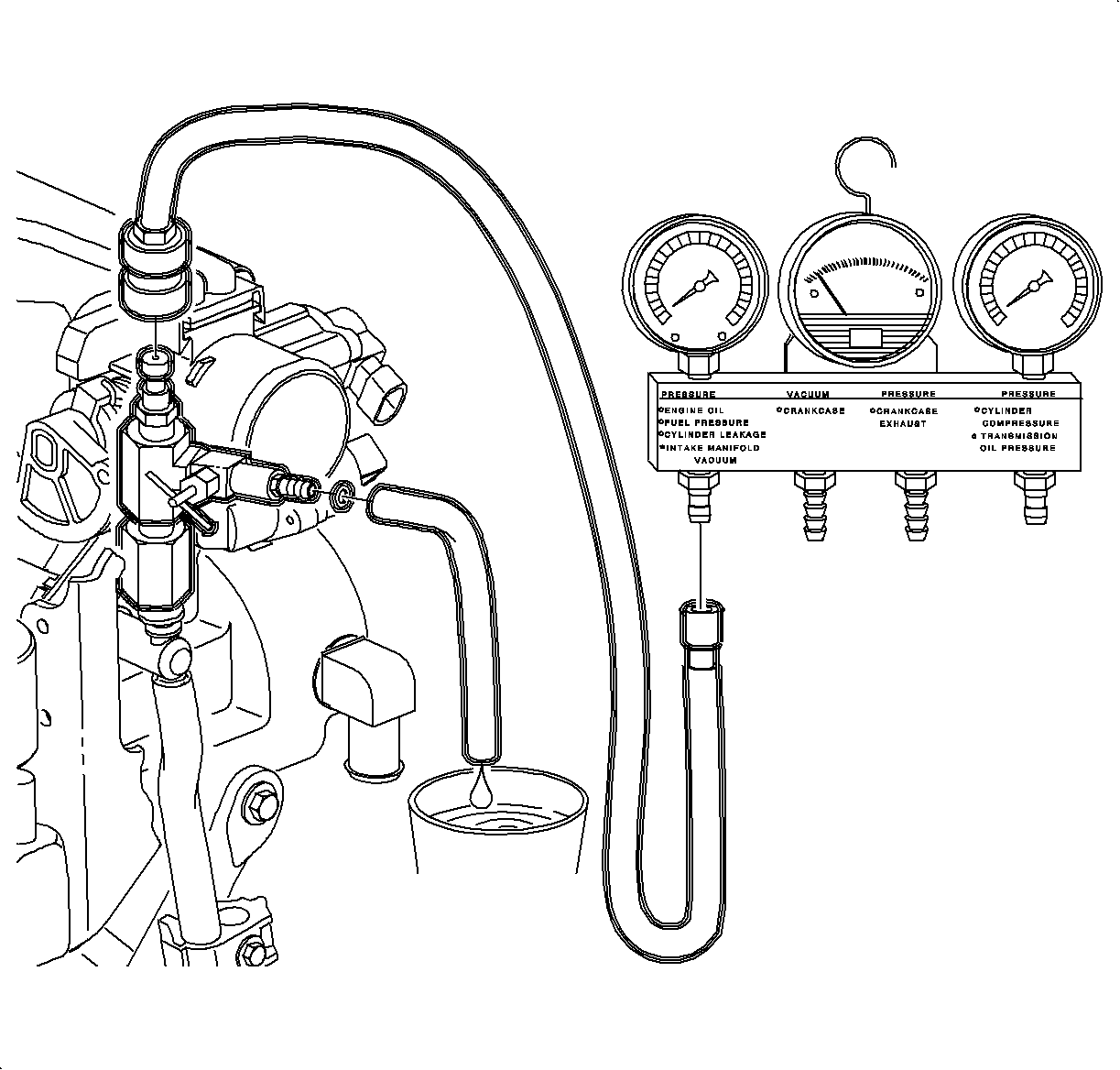
Do not allow smoking or the use of open flames in the area where work on the
fuel or EVAP system is taking place. Anytime work is being done on the
fuel system, disconnect the negative battery cable, except for those tests where battery
voltage is required.
Important
When servicing the fuel rail assembly, be careful to prevent dirt and other
contaminants from entering the fuel passages. Fittings should be capped and holes
plugged during servicing. Before removal, the fuel rail may be cleaned with a spray
type engine cleaner such as AC Delco X-30A, or equivalent, following
package instructions. Do not soak rails in liquid cleaning solvent.
Disconnect the negative battery terminal.
Remove the air intake tube, air filter cover, and fresh air tube.
Remove the positive crankcase ventilation (PCV) hose.
Caution
Whenever fuel line fittings are loosened or removed, wrap a shop cloth around
the fitting and have an approved container available to collect any fuel.
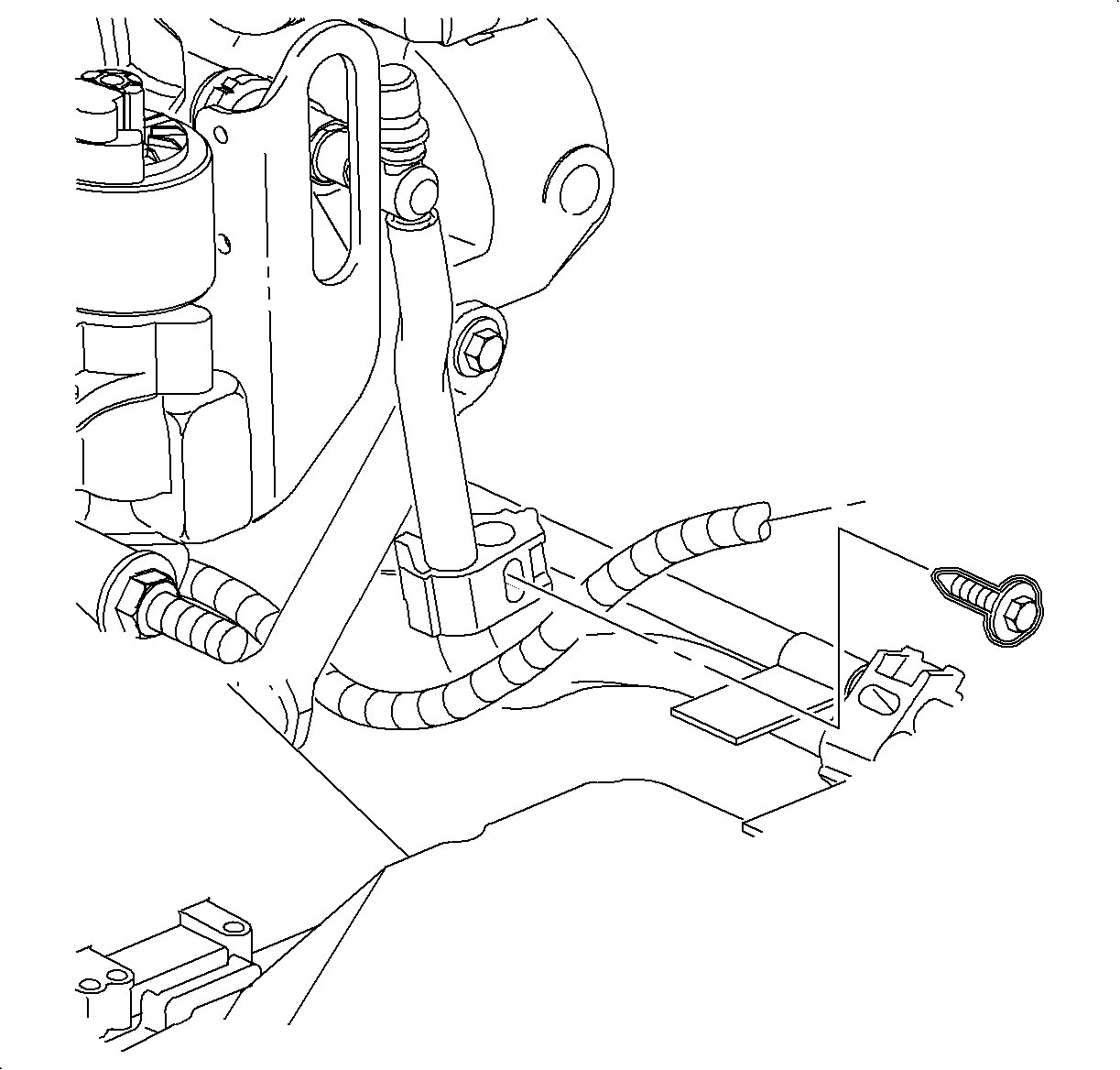
Remove the fuel feed line retainer clip attachment nut, 10 mm hex.
Caution
Whenever fuel line fittings are loosened or removed, wrap a shop cloth around
the fitting and have an approved container available to collect any fuel.
Disconnect the fuel supply line by compressing the 2 plastic
retainer tabs and pulling on the fuel supply line. Remove and discard the plastic
retainer.
Remove the accelerator control cable bracket bolts. Disconnect the cable
from the throttle lever and lay it over the intake manifold.
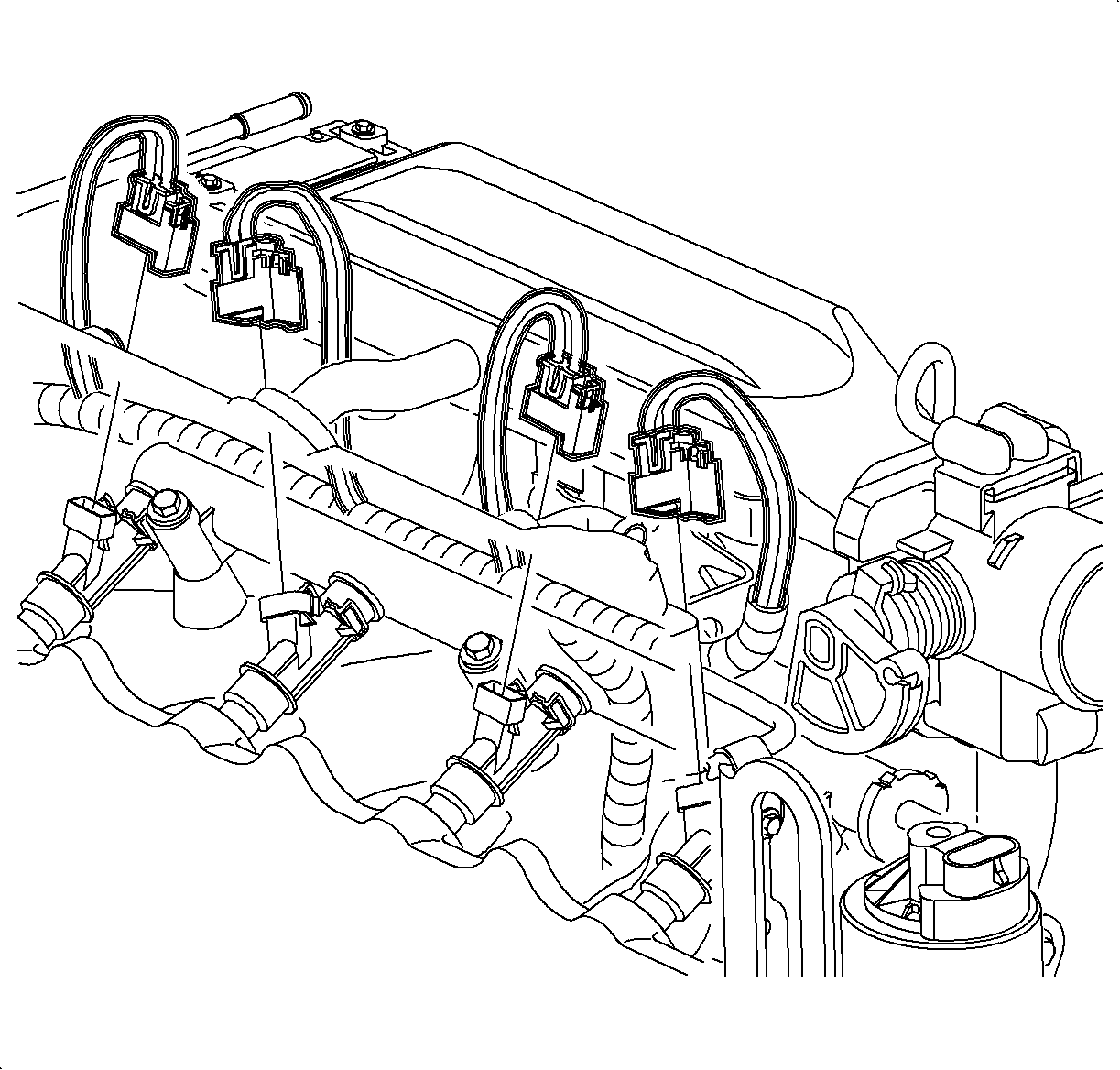
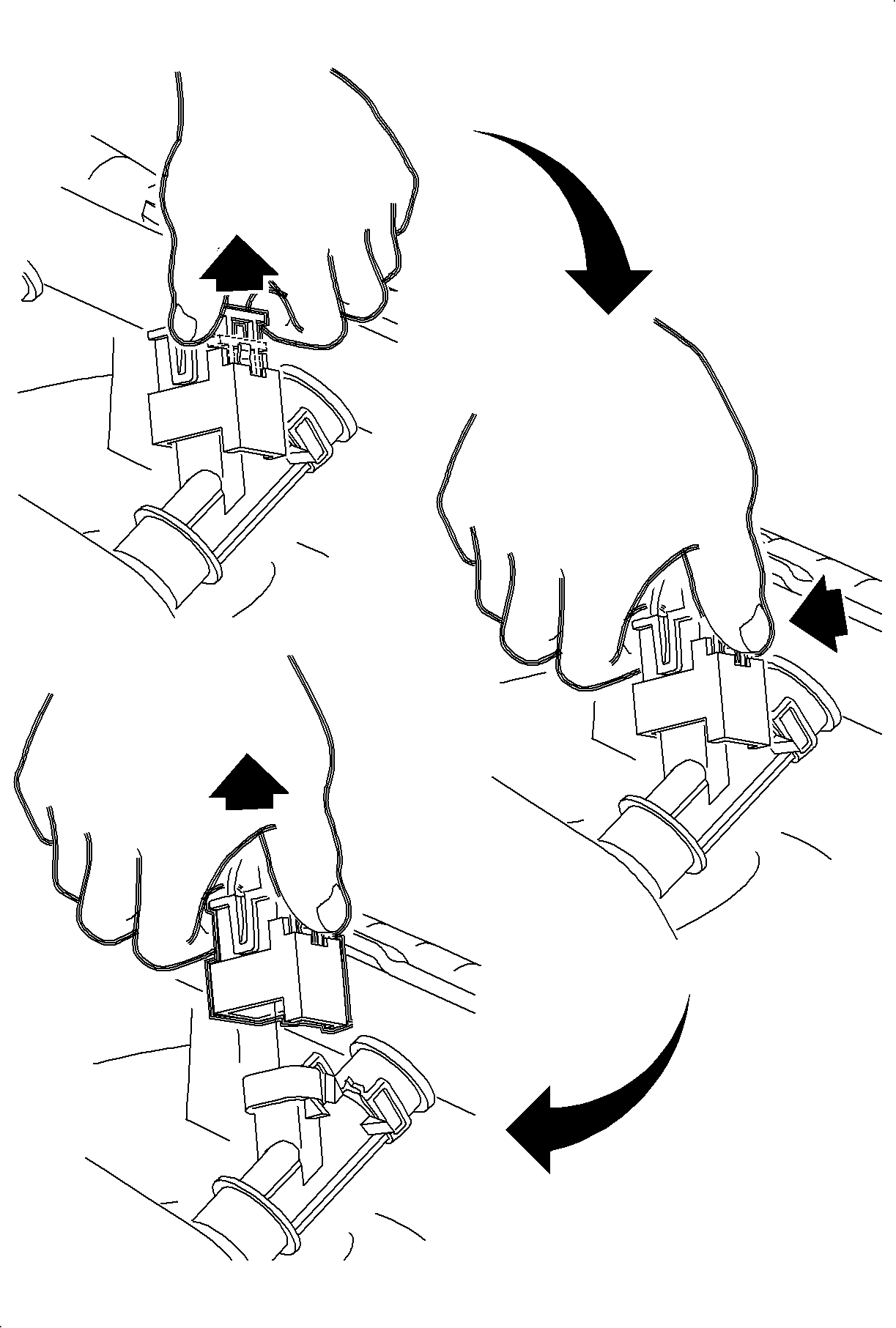
Disconnect the injector electrical connectors.
Pull pop up CPA. It is not necessary to remove the CPA from the connector.
Squeeze the connector at the CPA.
Pull to remove.
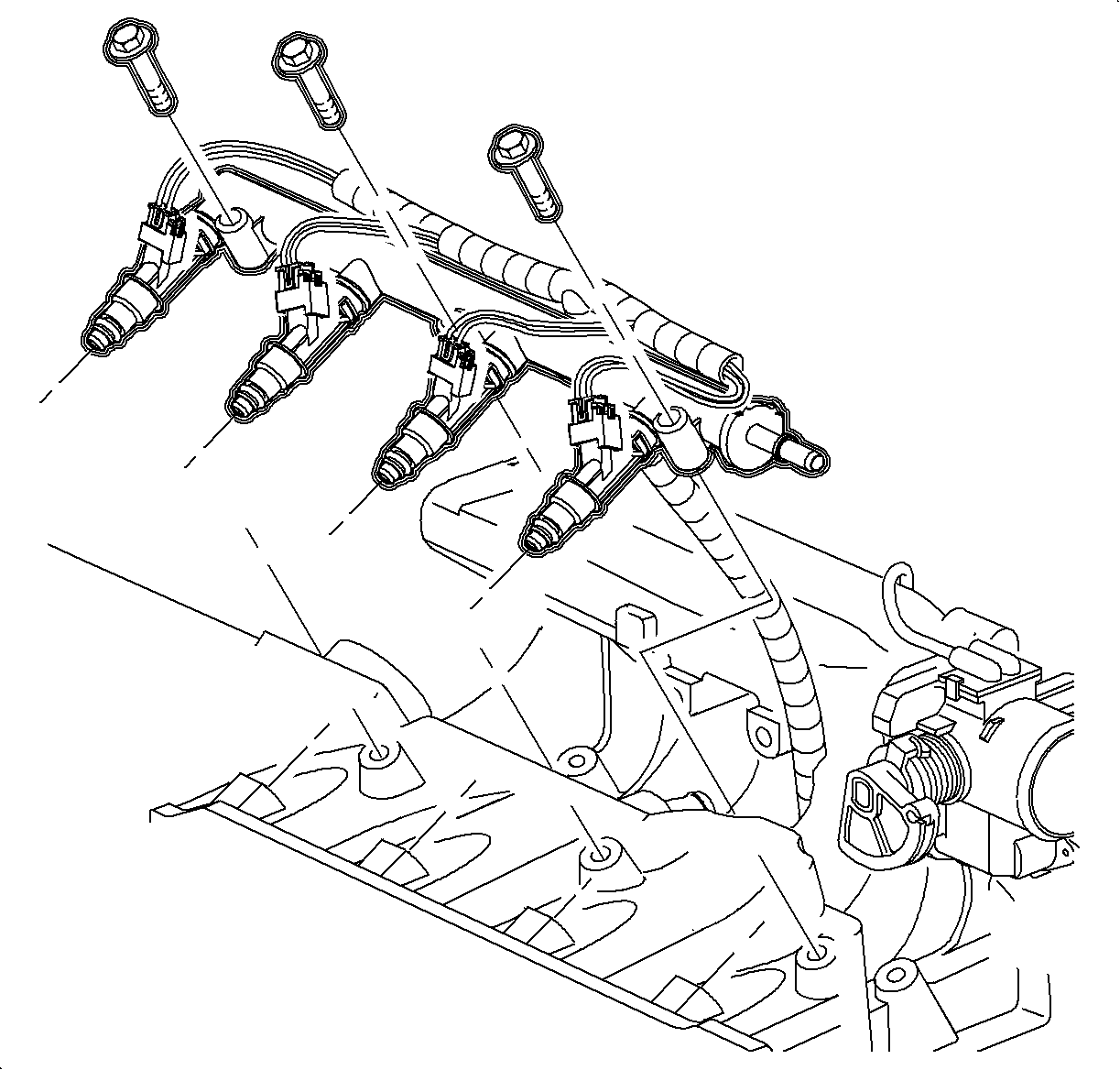
Remove the fuel rail assembly attachment bolts.
Notice
Use care in removing the fuel rail assembly to prevent damage to the electrical
connector terminals and spray tips. The fuel injector is serviced as a complete assembly
only. Support fuel after fuel rail is removed in order to avoid damaging fuel rail
components. Since it is electrical, it should not be immersed in any cleaner.
Important
Enough space exists between the intake manifold and cam cover to remove the
fuel rail as an assembly.
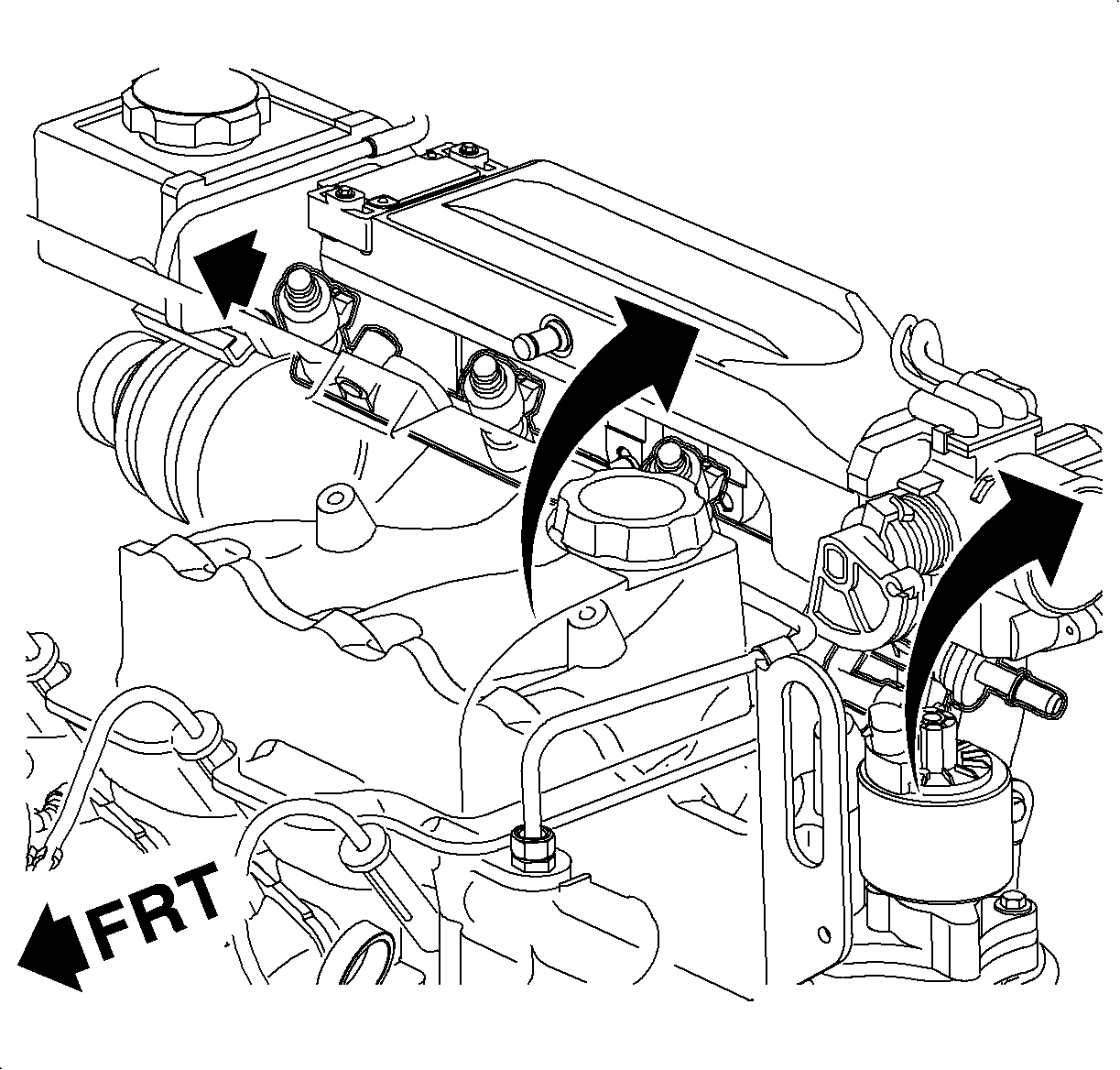
Remove the fuel rail assembly.
Carefully pull the rail back and upward to remove the injectors from the
intake manifold ports.
Move the rail back against the intake manifold runners.
Rotate the rail so the injectors point upward.
Move the rail against the power steering pump.
Lift the #1 injector and remove the rail from between the cylinder
head and intake manifold.
Important
Whenever the fuel rail is removed for service, the injectors must be removed
and the upper and lower injector O-rings must be replaced.
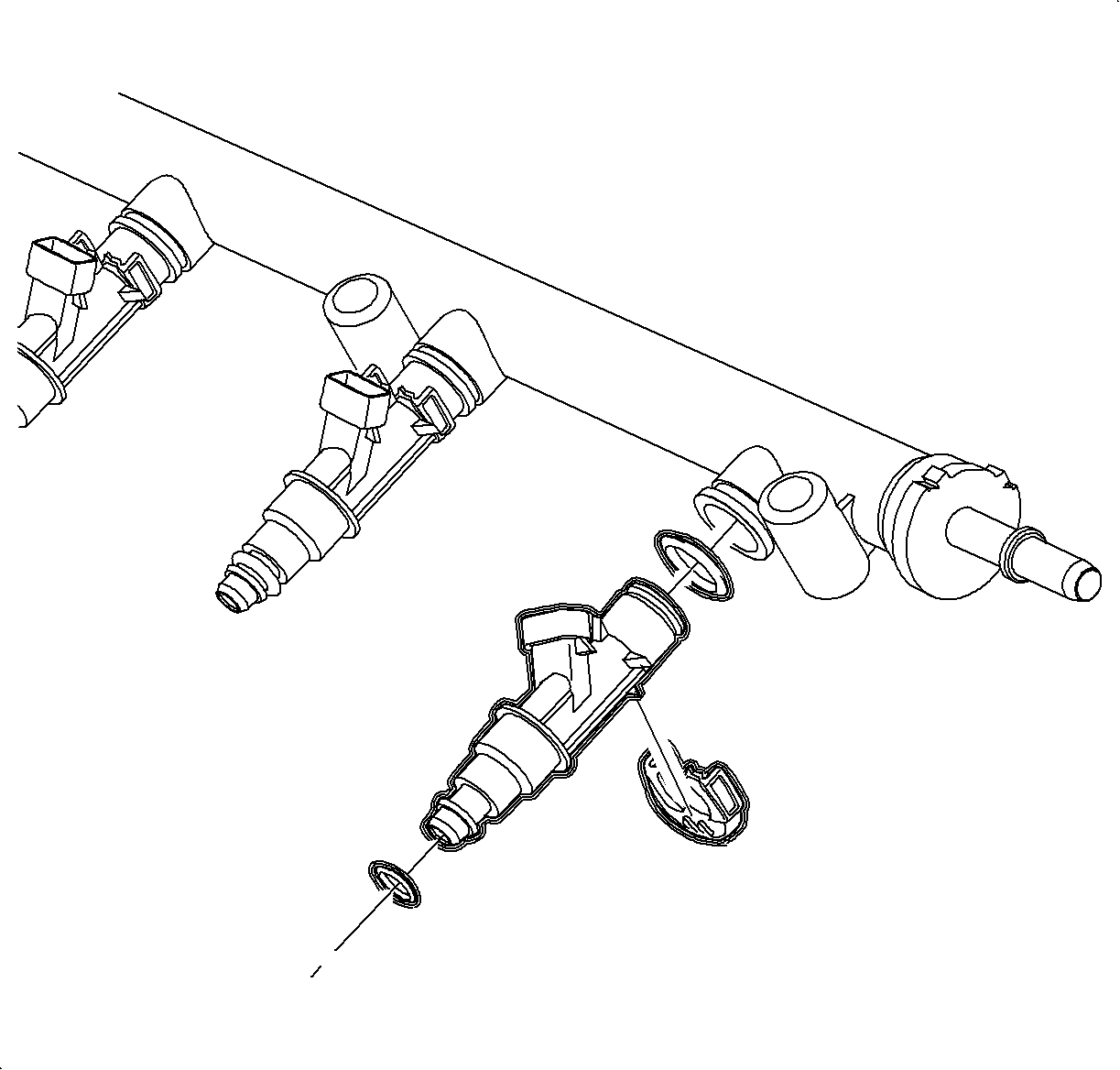
Remove the clips retaining the fuel injectors and pull the injectors out of
the rail.
Disassemble the injector O-ring seals from each injector using a special
seal removal tool or brass seal pick and discard.
When cleaning or servicing the fuel rail, care must be taken to assure that
the plastic fuel rail surfaces that mate to the injector O-rings are not scratched.
Lubricate the new O-ring seals with clean engine oil and install
the injectors into the fuel rail.
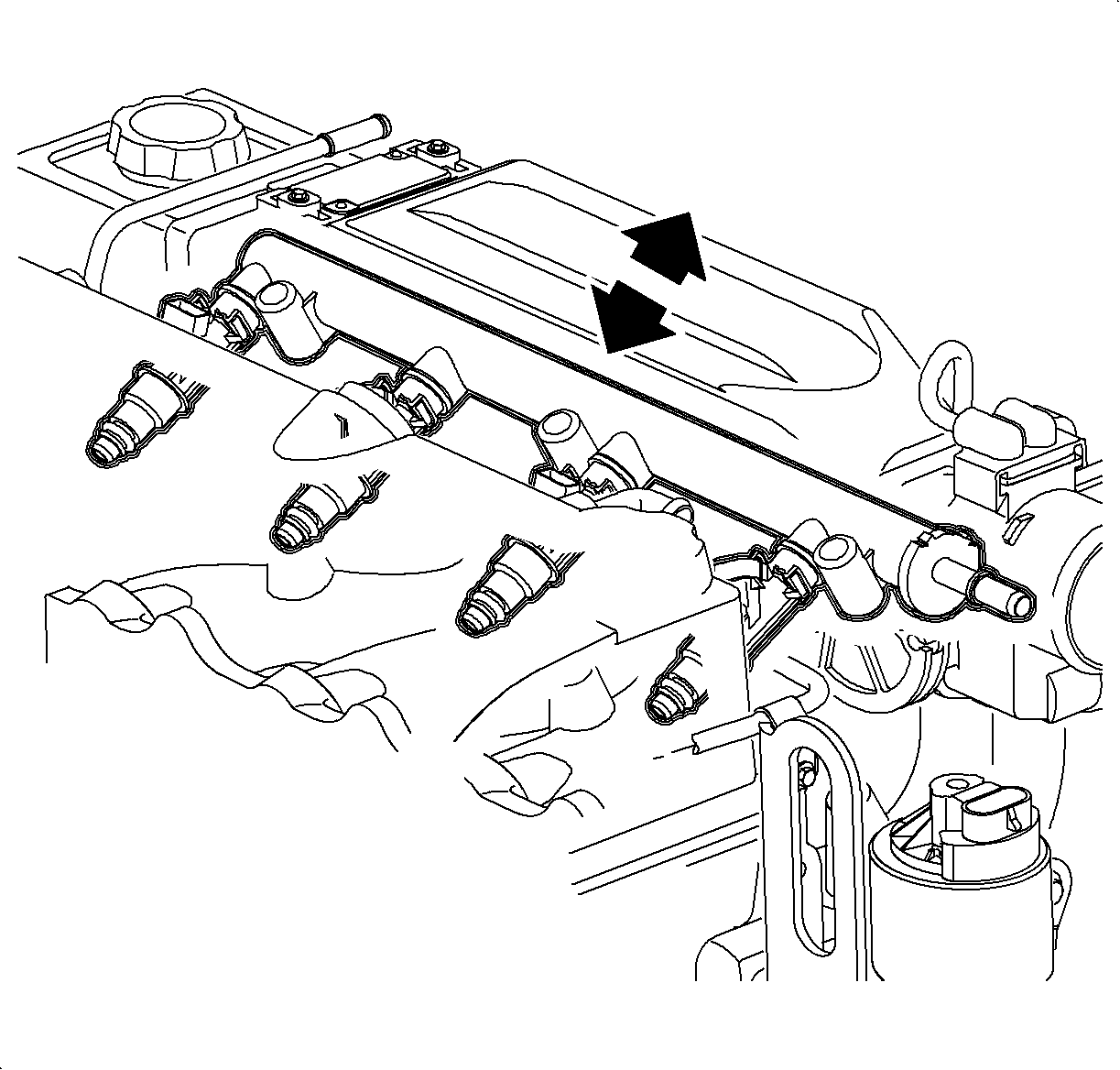
Install fuel rail assembly to intake manifold.
With the injectors pointing upward, lower the fuel rail into the cavity
between the cam cover and intake manifold.
Move the rail towards the power steering pump.
Rotate the injectors into a horizontal position. The fuel rail must be
placed against the intake manifold runners to accomplish this.
Align the injectors with their respective port holes.
Carefully push the fuel injectors into holes, making sure they have seated
on the intake manifold.
Connect the fuel injector electrical connectors. Push in until a click is heard
and pull back to insure engagement.
Connect the accelerator cable to the throttle body and to the accelerator
cable support bracket. Attach the accelerator control cable bracket.
Tighten
Tighten the accelerator control cable bracket-to-intake manifold (L24)
to 30 N·m (22 lb ft).
Connect the PCV valve hose.
Notice
Lubricate with clean engine oil the male end of the fuel rail that connects
with the fuel supply line. Firmly press on the female coupler until a click is heard,
then pull back to confirm engagement. Pinched, kinked, or damaged fuel lines must
be replaced.
Notice
Replace plastic fuel line retainers whenever the fuel supply or return line
is disconnected at the fuel rail. Install the new retainer into the female cavity
of the connection. Care must be taken to ensure that the locking tab is centered in
the window of the female cavity. Firmly press the female connection onto the male
end until a click is heard, then pull back to confirm engagement. Pinched, kinked,
or damaged fuel lines must be replaced.
Lubricate the male fuel feed line connection with clean engine
oil. Attach the fuel feed line and pull back to confirm engagement.
Install the fuel line retainer clip attachment screw, 10 mm hex.
Tighten
Tighten the fuel line retainer clip attachment screw to 4 N·m (35 lb in).
Connect the negative battery terminal.
Tighten
Tighten the battery terminal bolts to 17 N·m (13 lb ft).
Prime the fuel system.
Cycle ignition ON for 5 seconds and then OFF for 10 seconds.
Repeat step 10.1 twice.
Crank the engine until it starts. The maximum starter motor cranking time
is 20 seconds.
If engine does not start, repeat steps 10.1-10.3 in Removal
Procedure.
With the engine OFF and the ignition ON, pressurize the fuel system and
check for leaks.