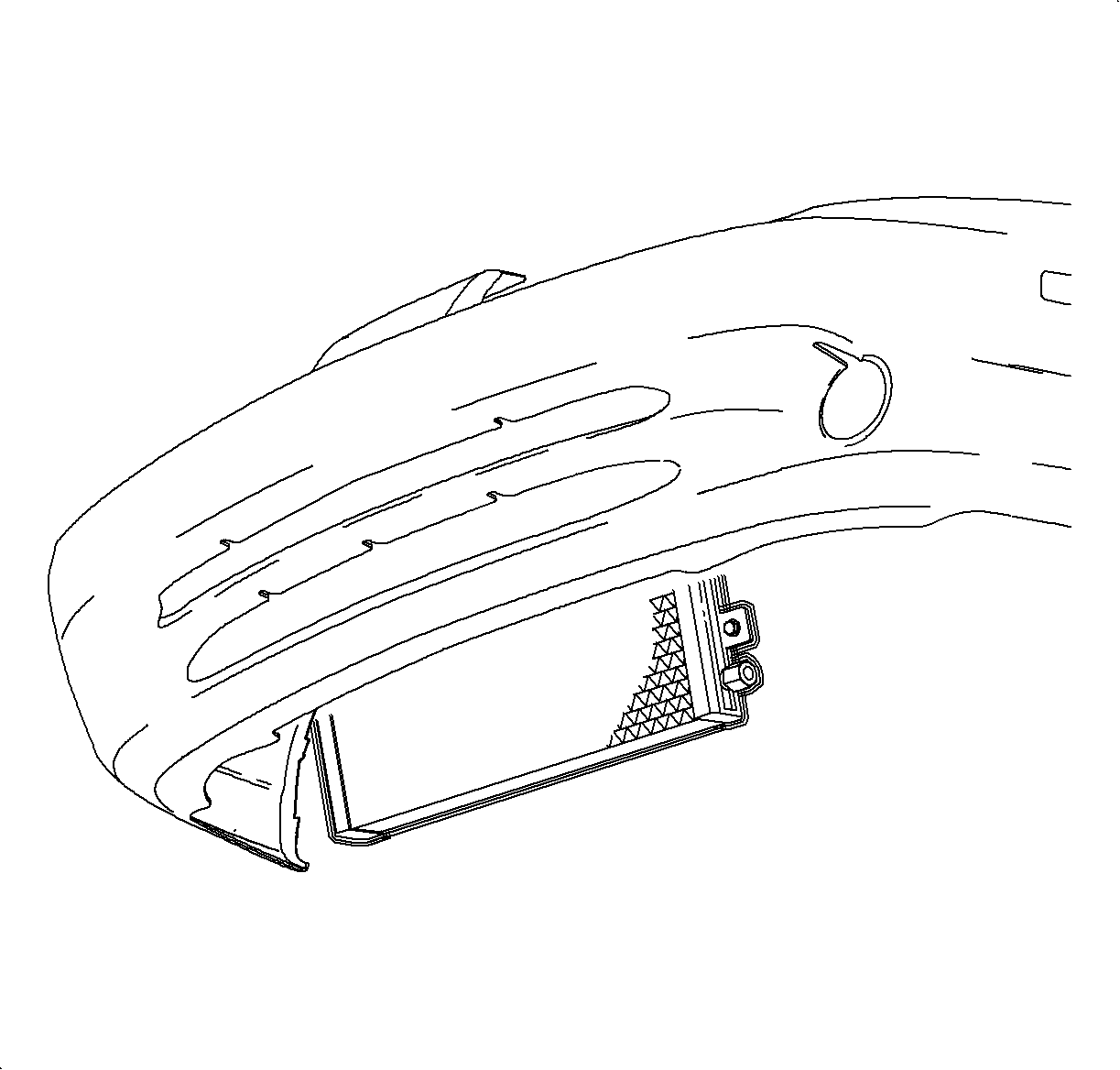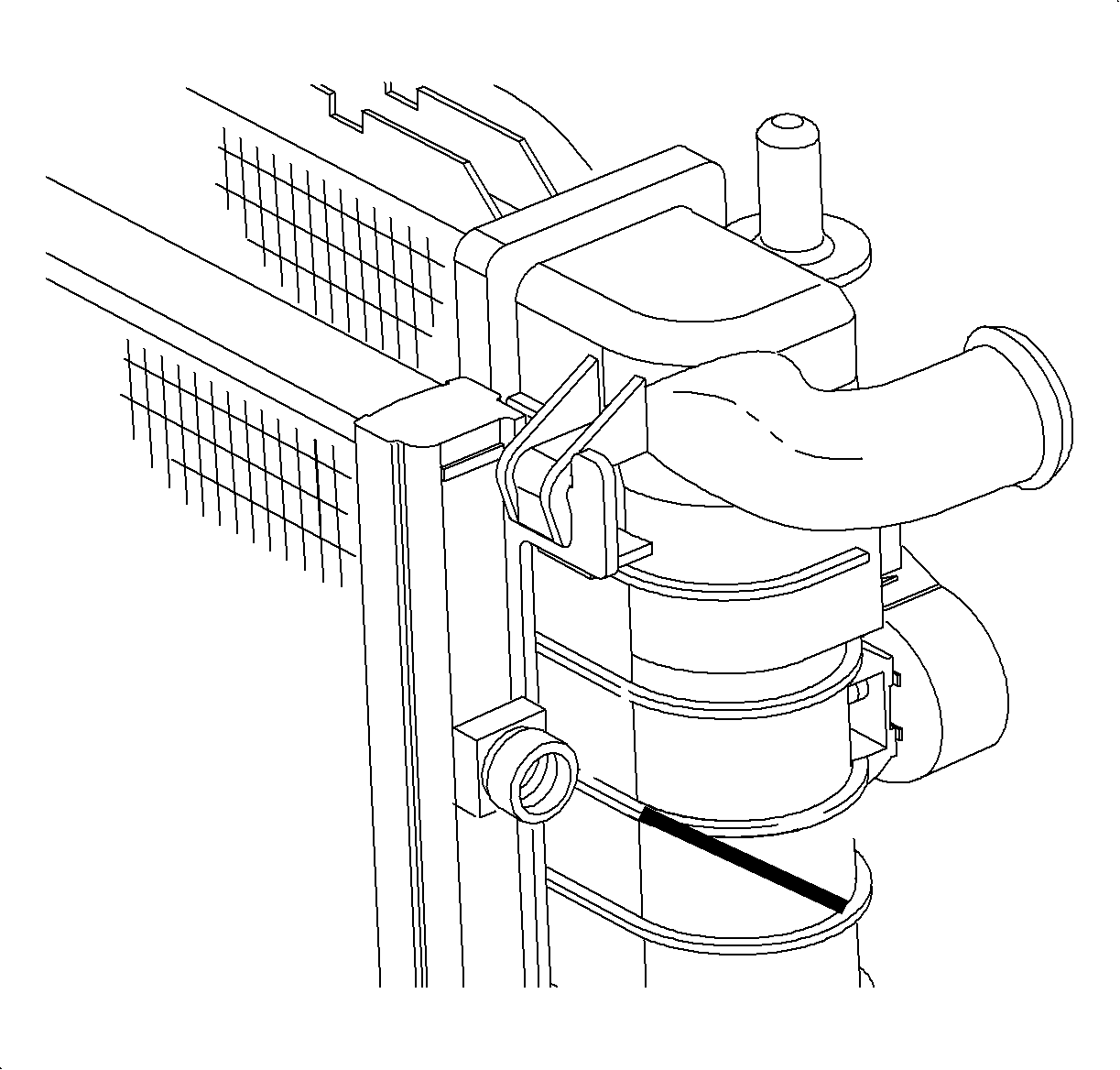

- Carefully slide the condenser up and install on the mounting pads.
Notice
Refer to Fastener Notice in Cautions and Notices.
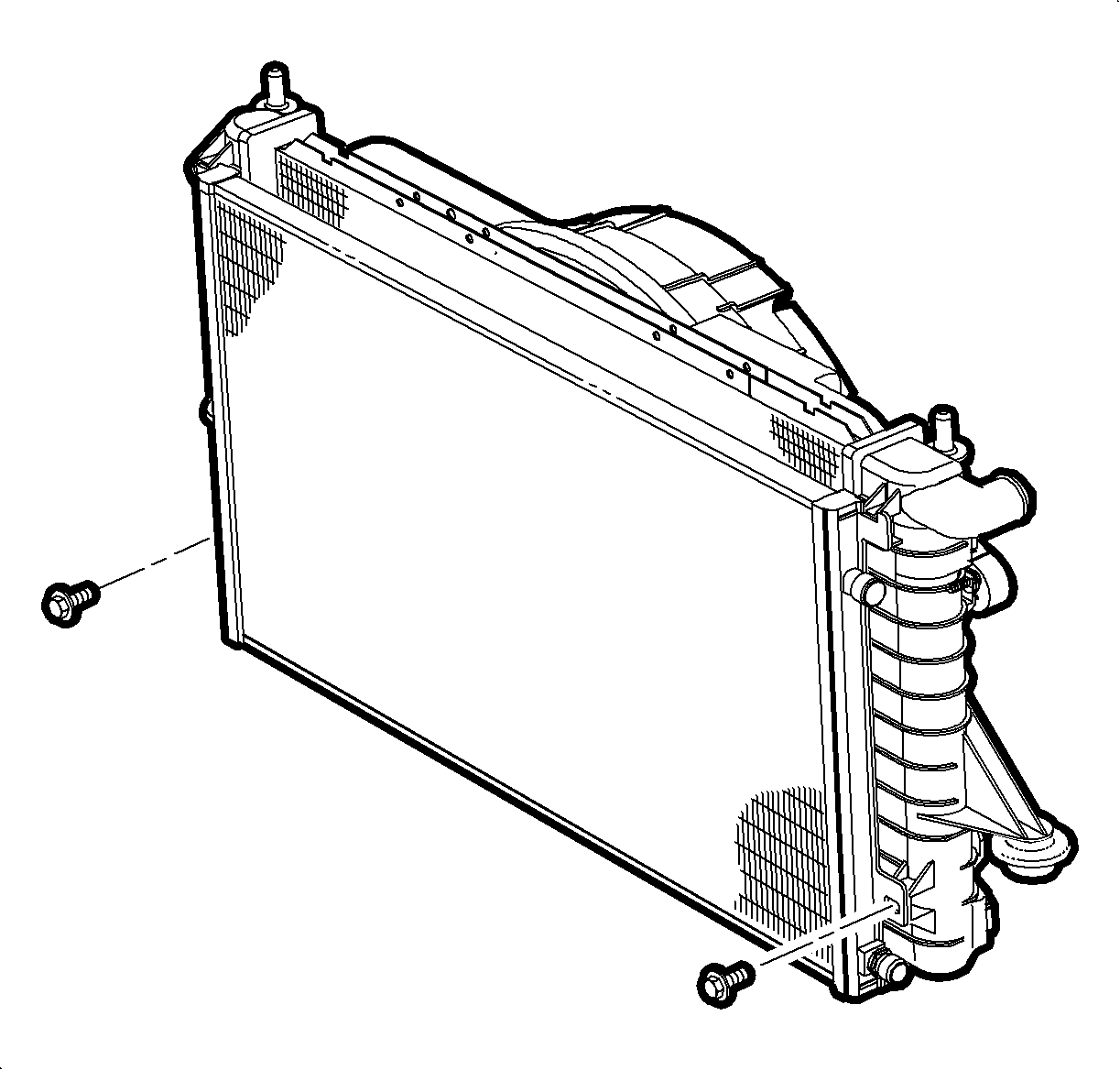
- Install the condenser bracket-to-radiator bolts.
TightenTighten the condenser bracket-to-radiator bolts to 6 N·m (60 lb in).
Notice
Use only Polyalkylene Glycol Synthetic Refrigerant Oil (PAG) for internal
circulation through the R-134a A/C system and only 525 viscosity mineral oil
on fitting threads and O-rings. If lubricants other than those specified are
used, compressor failure and/or fitting seizure may result.
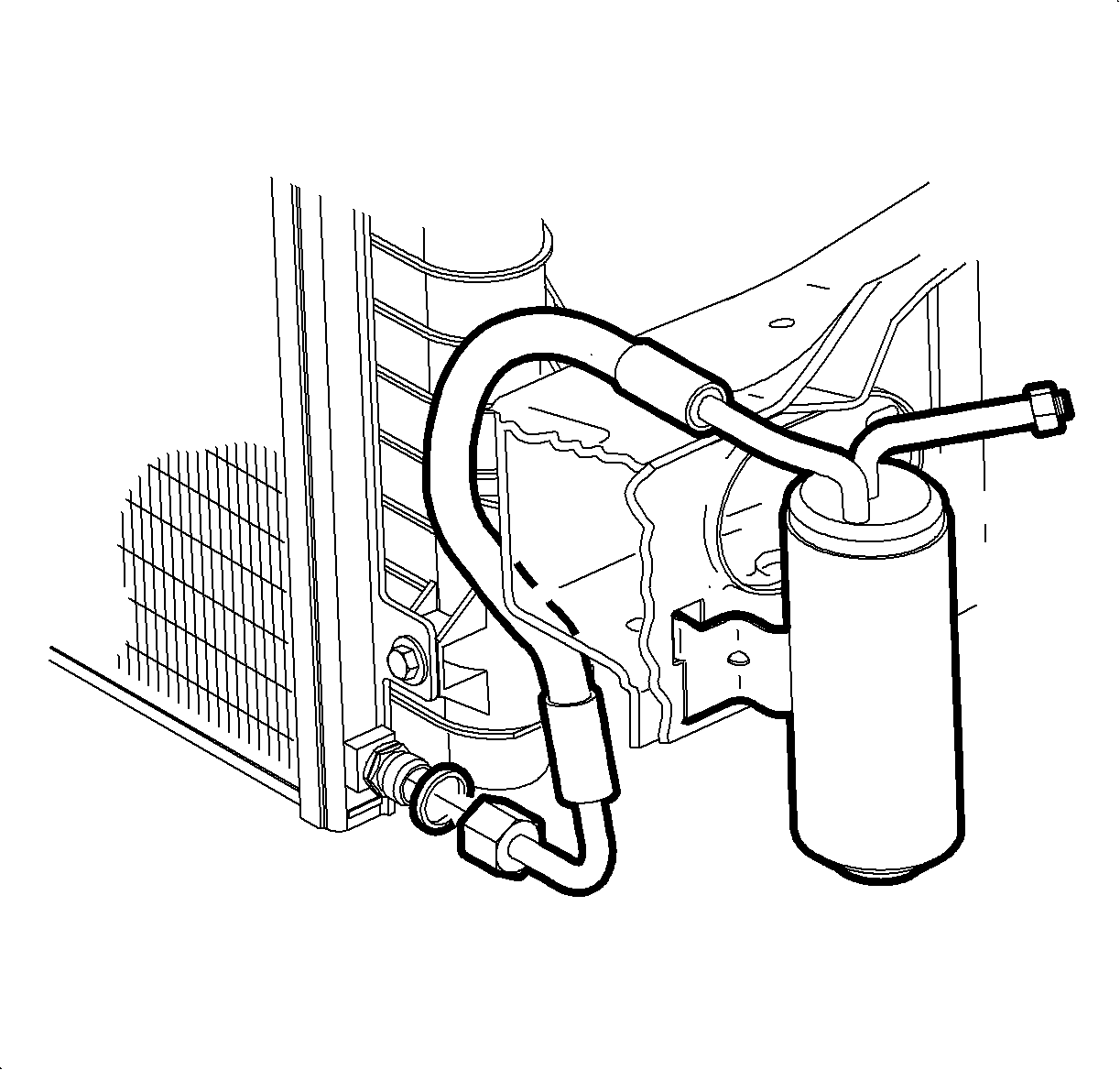
- Lubricate with R-12 Refrigerant mineral oil and install a new O-ring
on the receiver-dehydrator hose.
Important
Make sure the receiver-dehydrator hose is parallel with the condenser after
tightening the fitting. This will provide the hose clearance to the body and frame,
avoiding potential damage to the hose.
- Install the receiver-dehydrator hose to the condenser outlet.
TightenTighten the receiver-dehydrator hose-to-condenser outlet to 16.5 N·m
(12 lb ft).
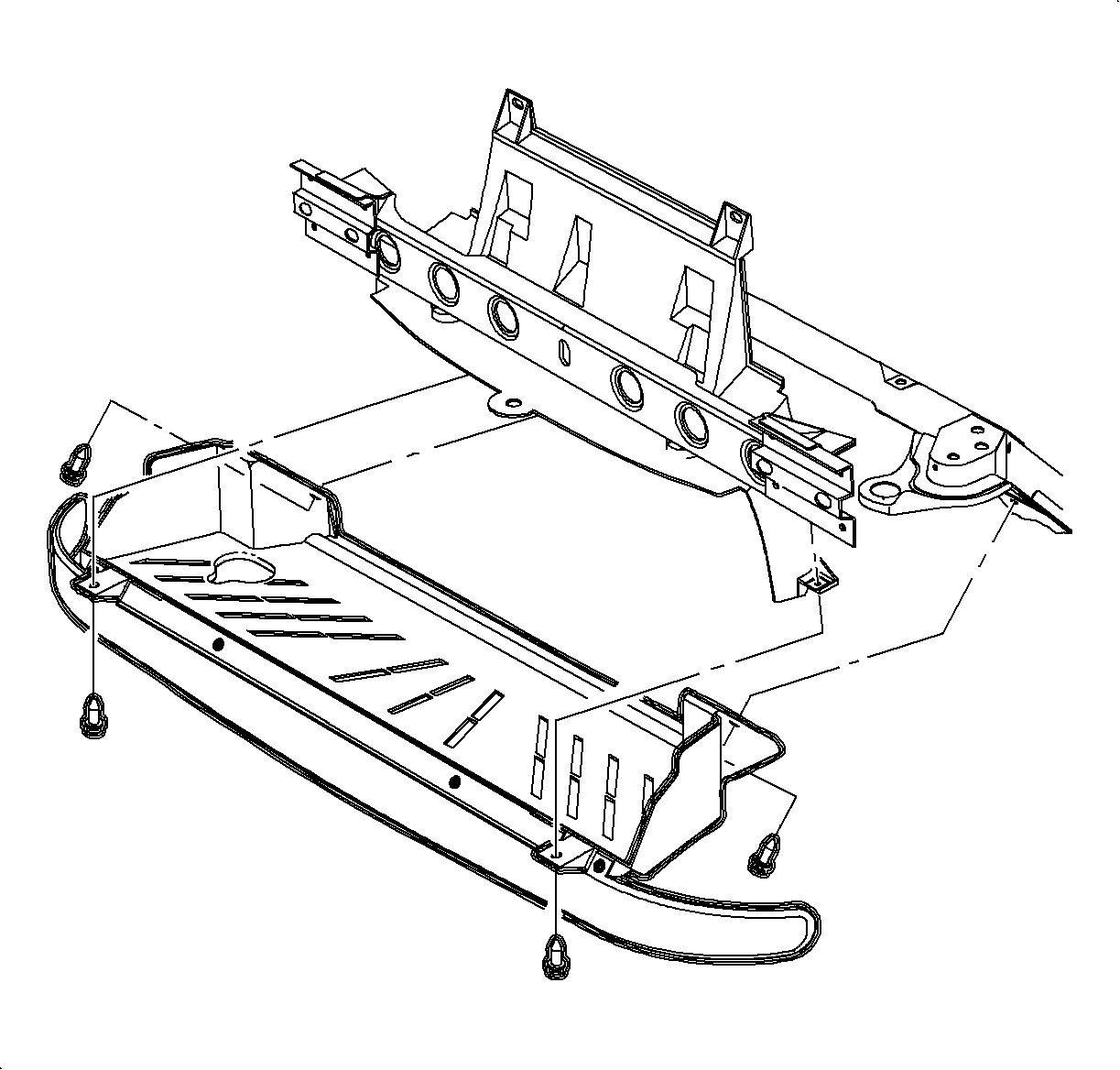
- Install the lower splash shield.
- Lower the vehicle.
Notice
Use only Polyalkylene Glycol Synthetic Refrigerant Oil (PAG) for internal
circulation through the R-134a A/C system and only 525 viscosity mineral oil
on fitting threads and O-rings. If lubricants other than those specified are
used, compressor failure and/or fitting seizure may result.
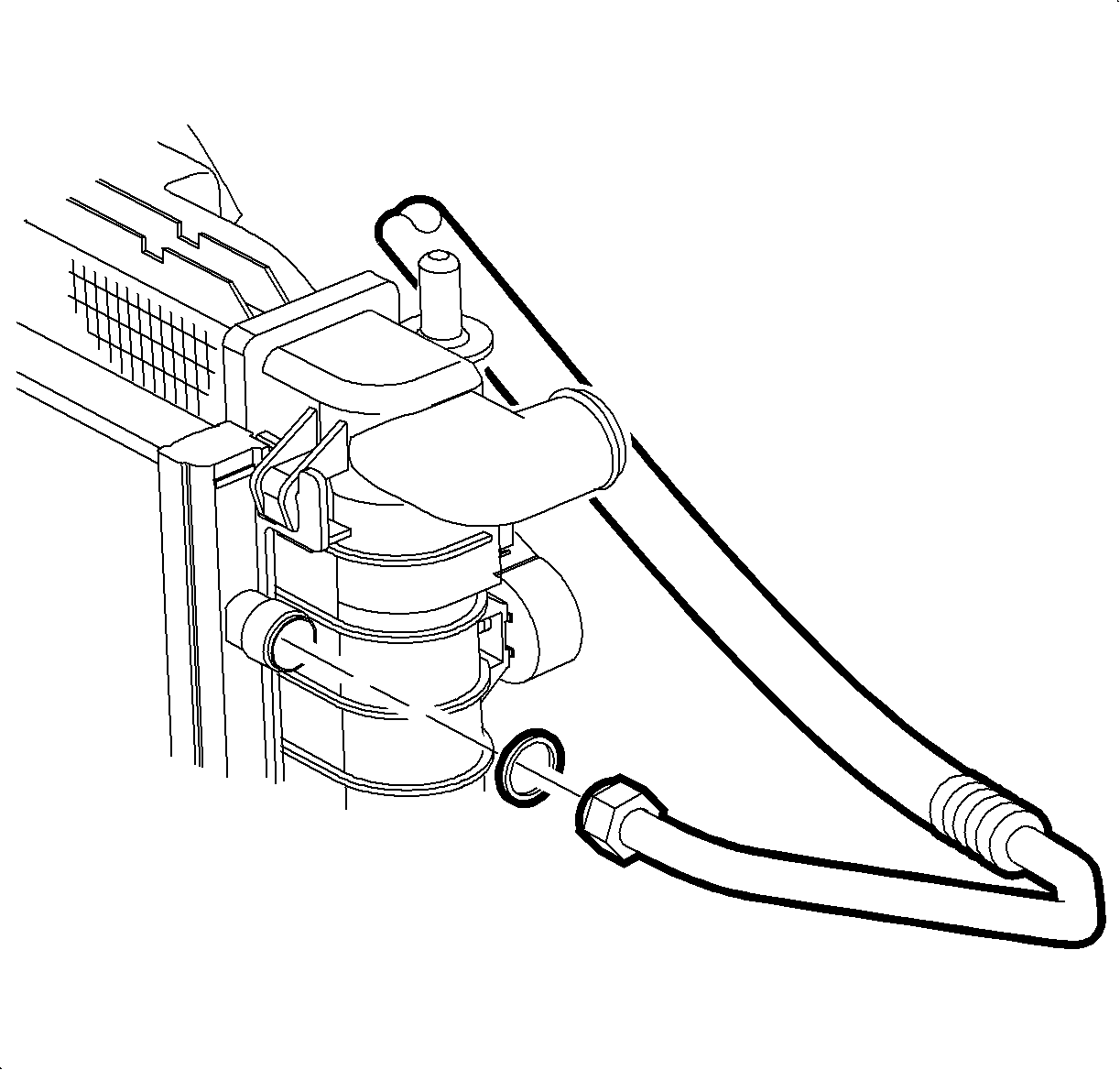
- Lubricate with R-12 Refrigerant oil (mineral) and install a new O-ring
on the compressor discharge hose.
Important
Make sure the discharge hose pipe is parallel to the line on the radiator end
tank. This will prevent the discharge hose from contacting the suction hose and
transaxle oil cooler lines, avoiding potential damage to the hoses.
- Install the compressor discharge hose to the condenser inlet.
- Tighten the fitting.
TightenTighten the discharge hose-to-condenser inlet to 23.5 N·m (17 lb ft).
- Install the left front headlamp assembly.
- Evacuate, charge, and leak test the A/C system.