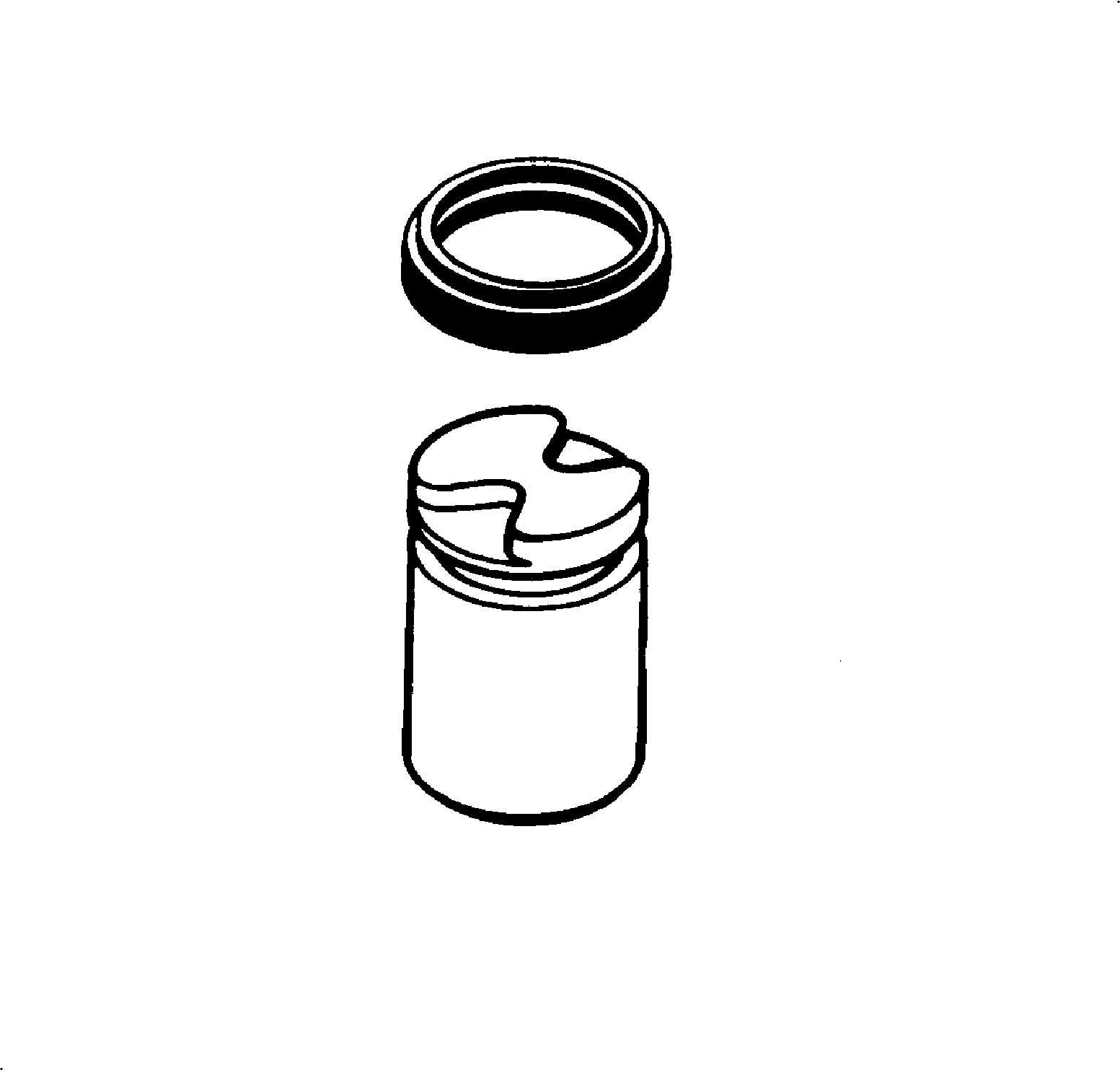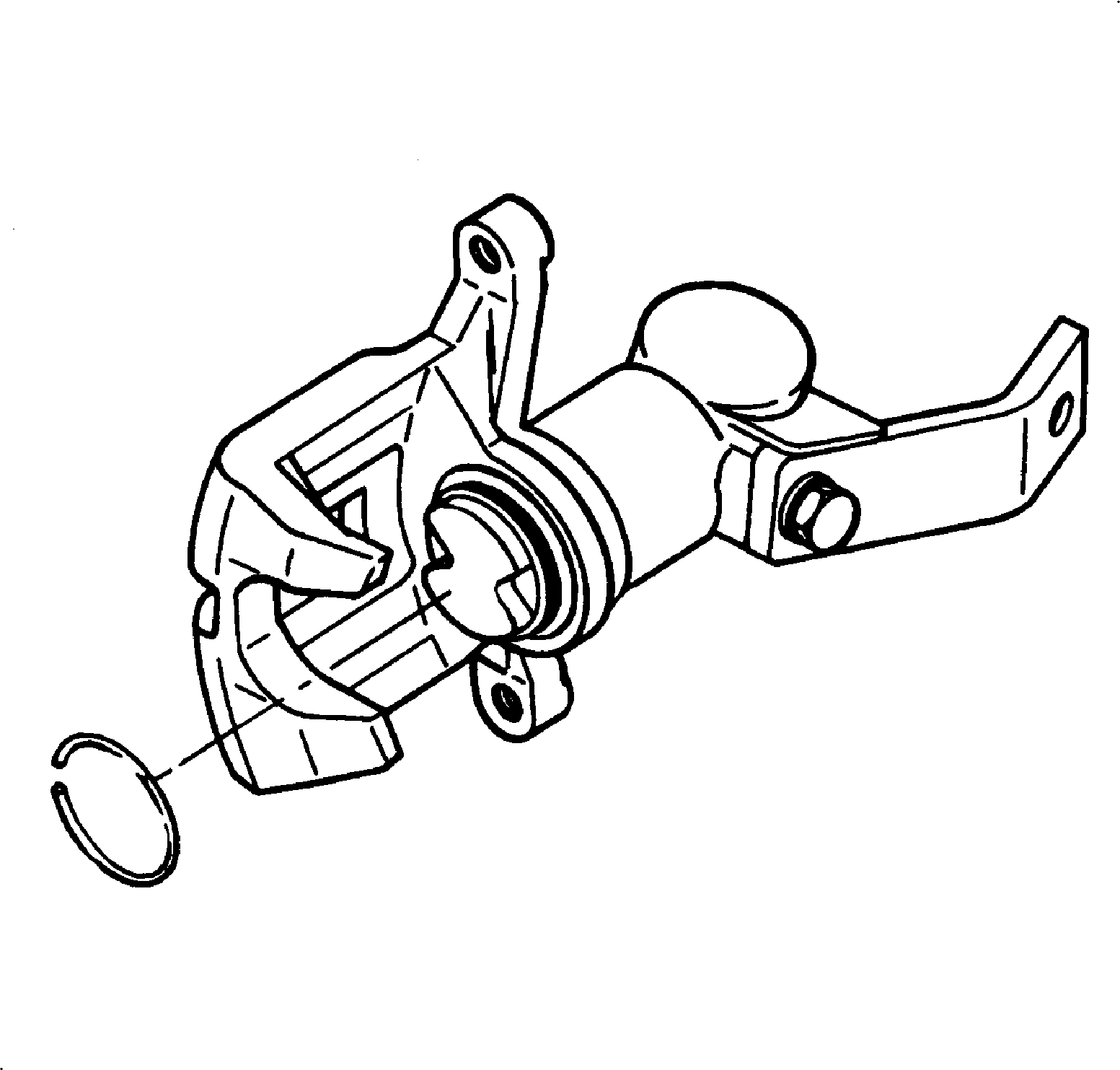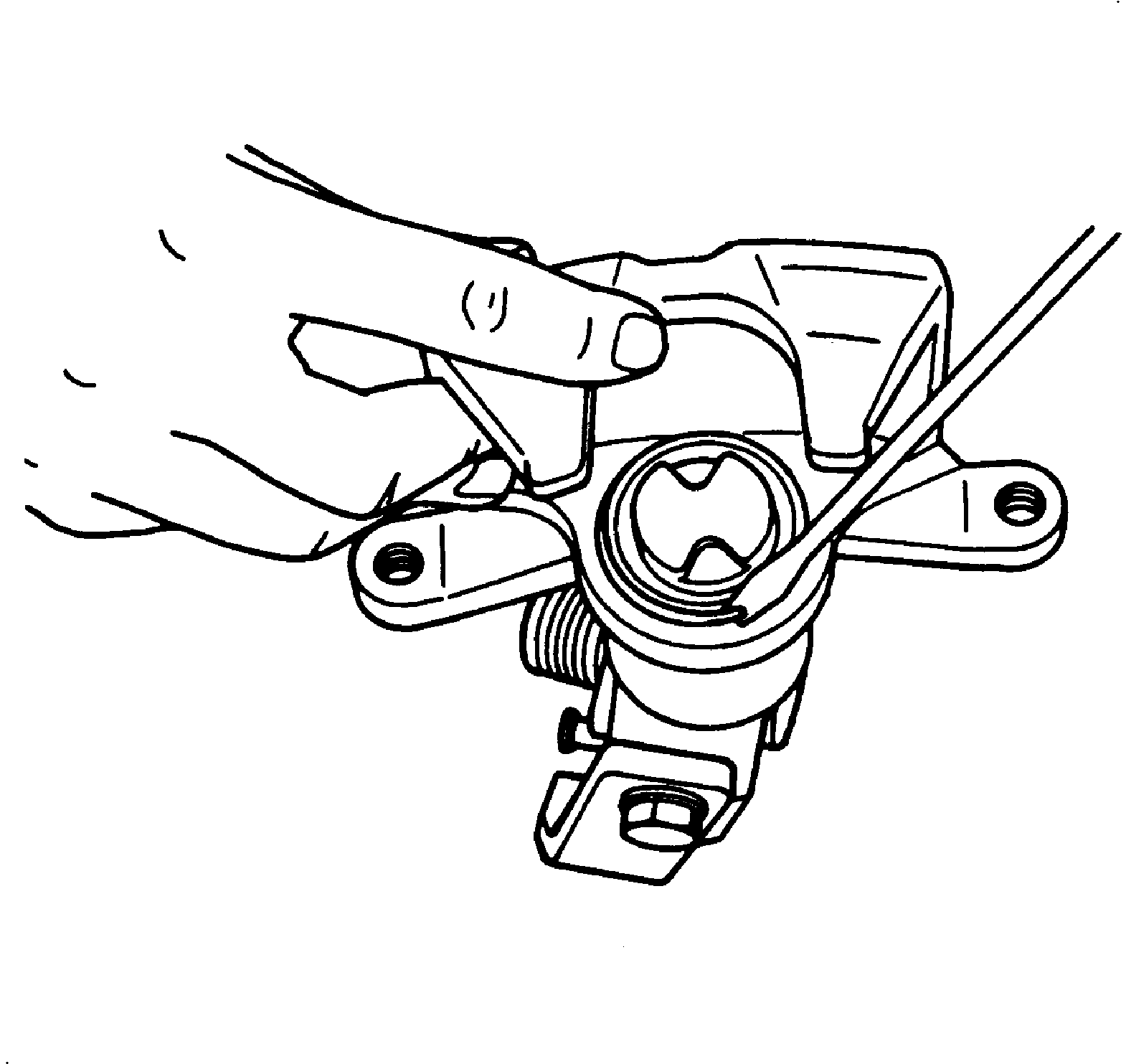

- Using a small screw driver, remove piston boot
ring (slowly pry up one end of boot ring) and piston boot from caliper.
Caution
To prevent bodily injury, make sure to keep fingers or other body parts away
from piston during removal.
Notice
Pad interior of caliper body to provide a protective cushion for piston when
it exits the caliper. This will protect piston from surface damage caused from piston/caliper
body contact.
- Remove piston from caliper body by applying low pressure, non-lubricated, compressed
air into caliper inlet hose.
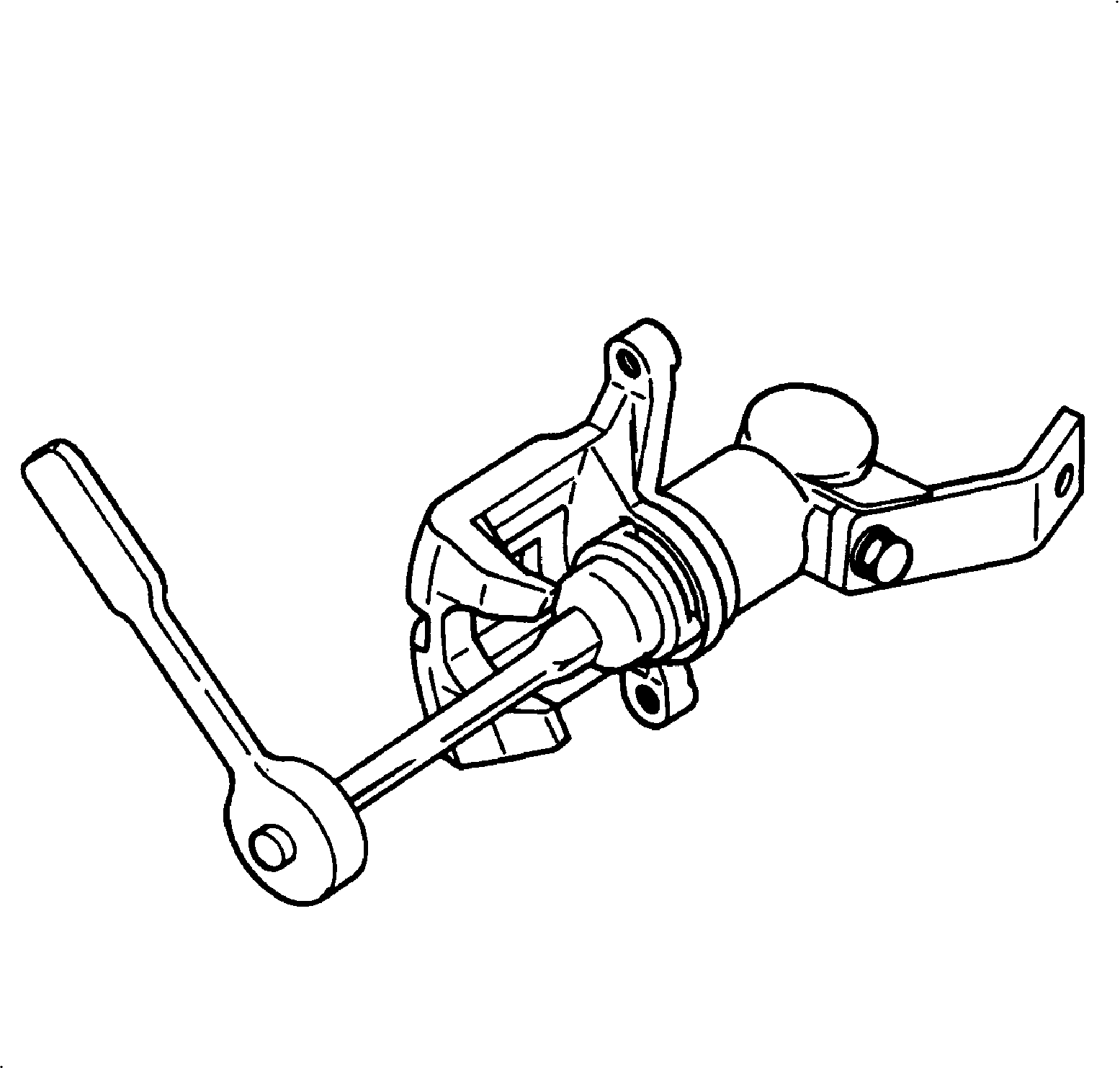
- As an alternative, use SA91110NE (or equivalent)
in the piston to rotate the piston counerclockwise, thereby threading the piston out
of its bore.
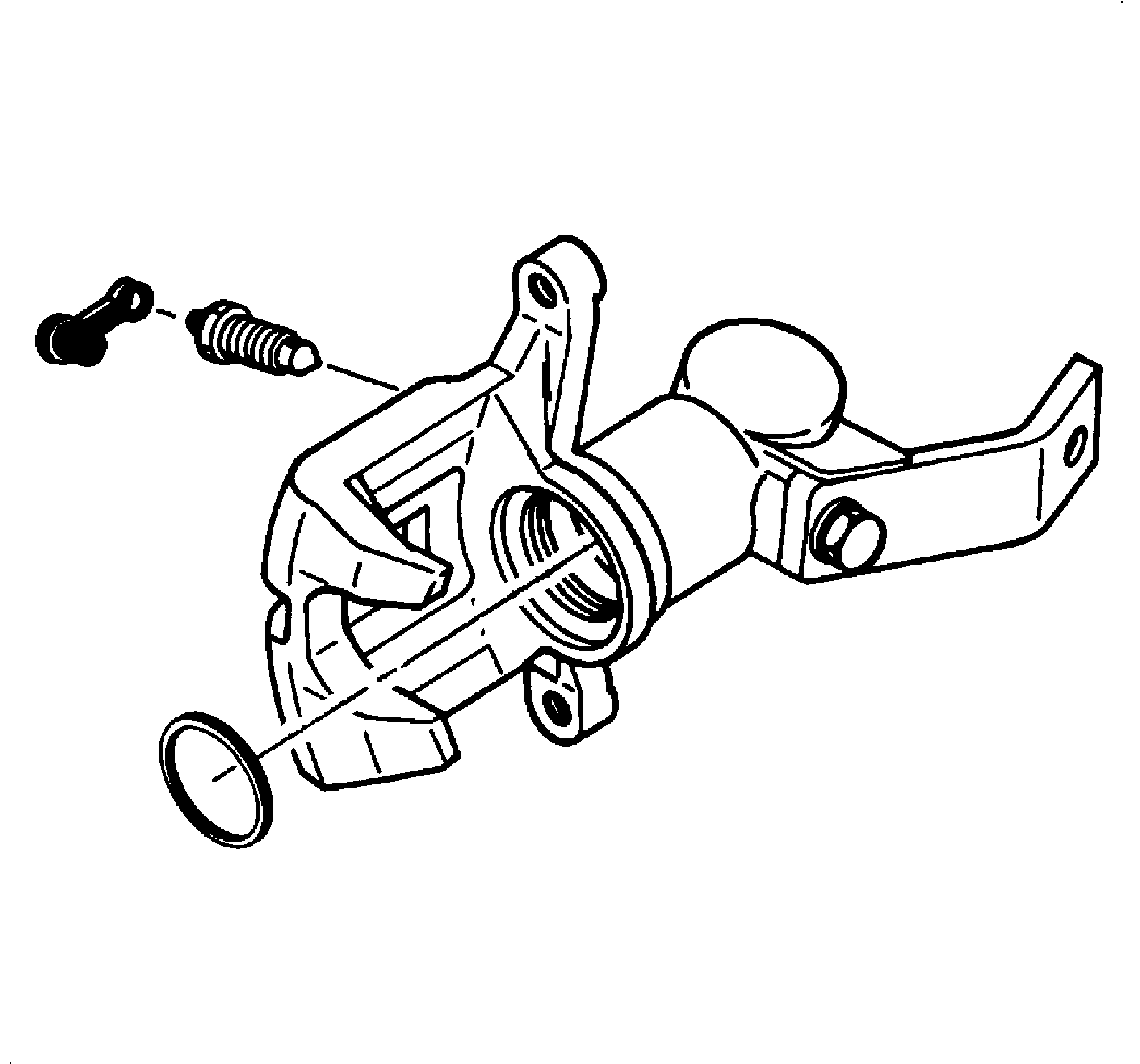
- Remove piston seal from groove in caliper body.
Notice
To prevent damage to caliper body bore, use a small wooden or plastic (not metal)
device to extract seal.
- Remove bleeder valve and bleeder valve cap
from caliper body.
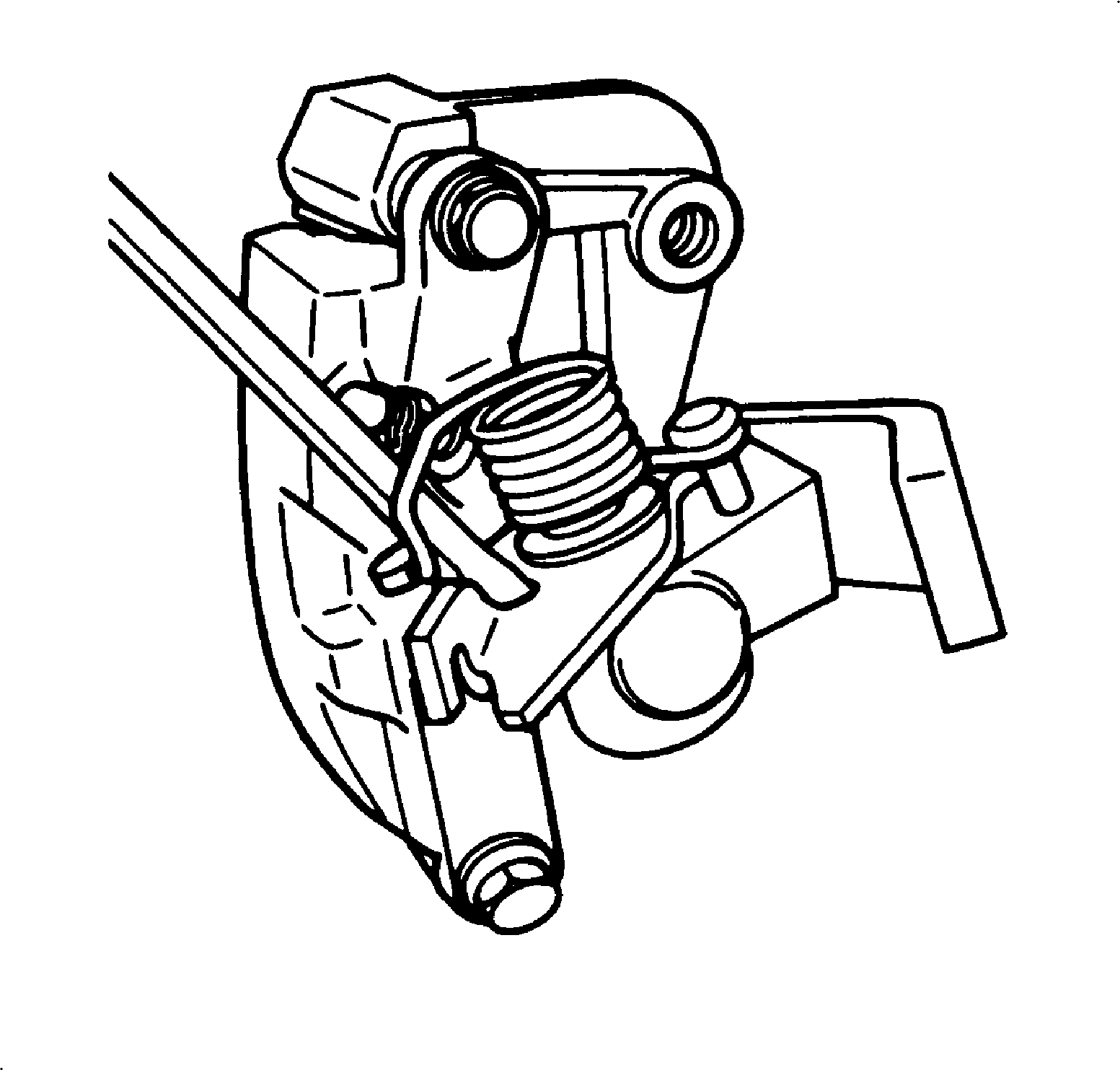
- Only if replacing lever return spring:
- Use screwdriver to disengage return spring from lever.
- Unhook spring from stopper pin.
- Clean all parts in clean denatured alcohol. Dry with non-lubricated, low
pressure, compressed air. Make sure to blow out all passage in caliper body and bleeder
valve.
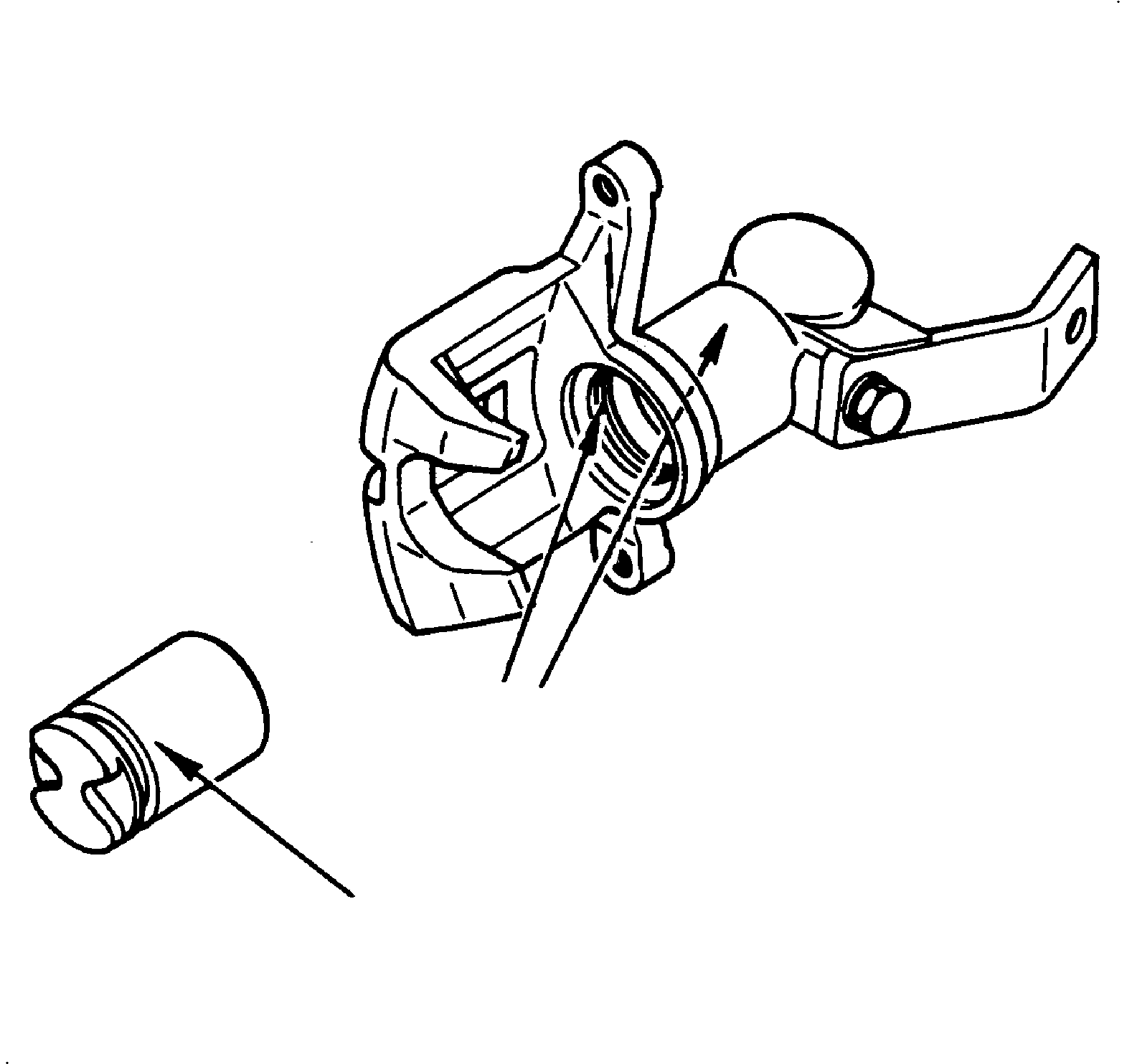
- Inspect piston for scoring, nicks, cracks, wear
or corrosion. Replace piston if any damage is found.
- Inspect caliper body piston bore for scoring, nicks, wear or corrosion.
Crocus cloth can be used to remove light corrosion. If more extensive damage is present,
replace the caliper.
Important
Do not hone caliper bore.
- Inspect seal groove in caliper bore for nicks or burrs. If present, replace
caliper.