Wheel Drive Shaft Replacement
Tools Required
-
SA91100C Tie Rod Separator
-
SA9132S Lower Control
Arm Ball Stud Separator
-
J 44015 Steering Linkage
Installer
-
SA9113T Transaxle
Seal Protector
-
SA9140E Torque Angle Gage
Removal Procedure

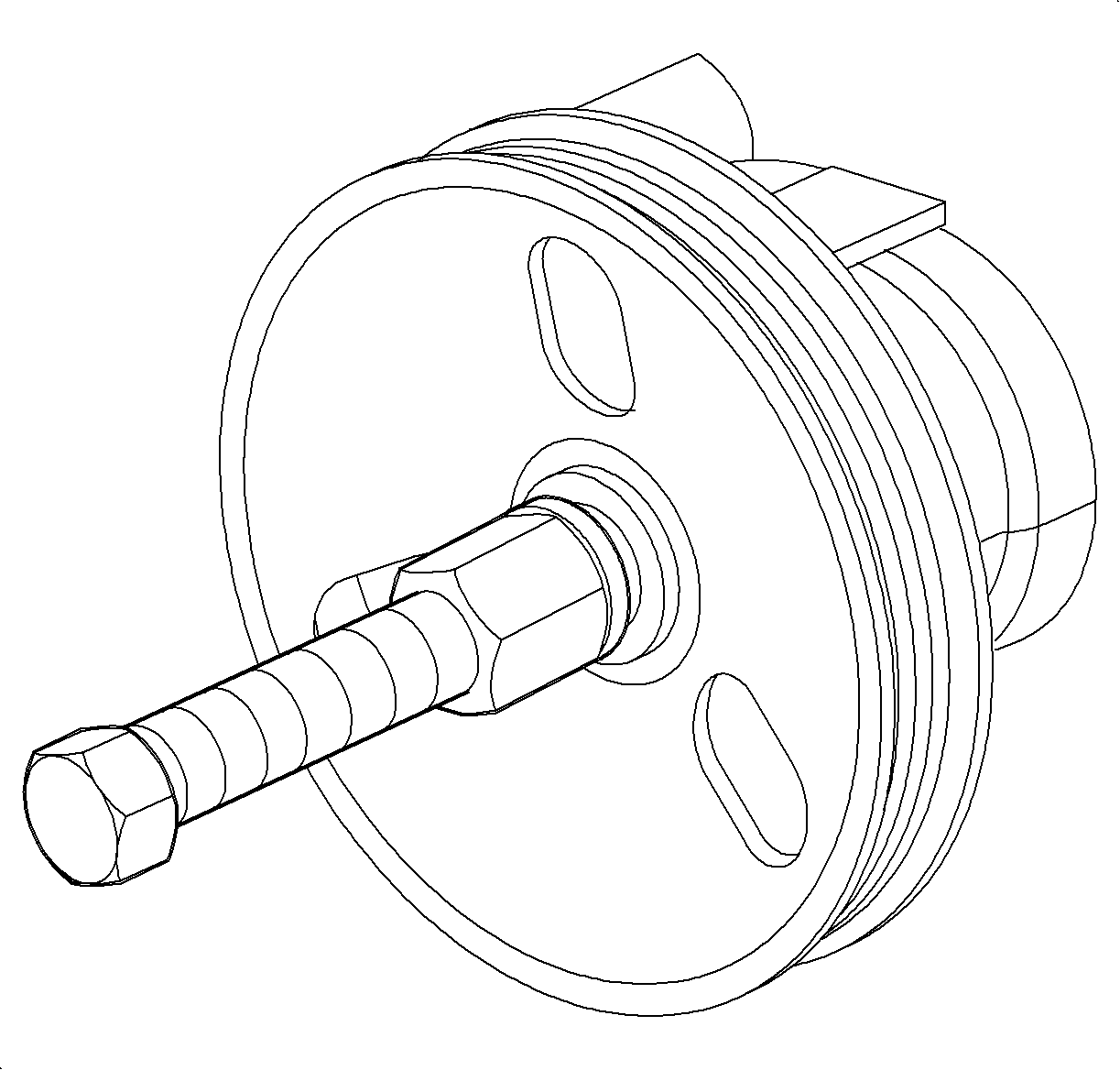
- With the vehicle on the ground, depress the brake pedal and loosen the drive
axle-to-hub nut.
Caution
Ensure that the vehicle is properly supported and squarely positioned.
To help avoid personal injury when a vehicle is on a hoist, provide additional support
for the vehicle on the opposite end from which the components are being removed.
- Raise the vehicle on a hoist.
- Remove the road wheel corresponding to the drive axle being removed.
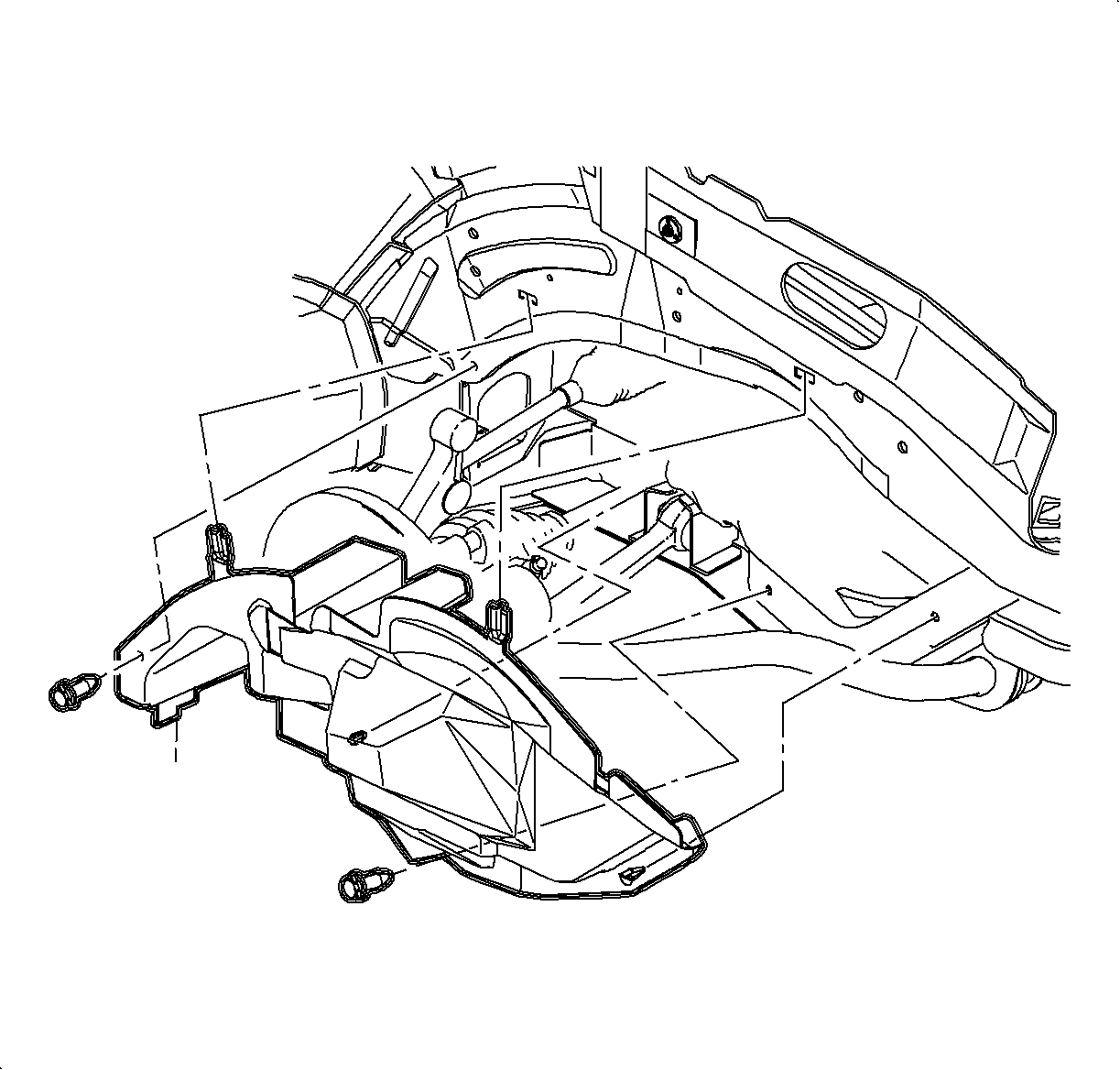
- Remove the side splash shield corresponding to the drive axle being removed.
- Remove the 2 push pins.
- Remove the lower shield to cradle molded-in fasteners at the cradle by
gently prying at the 3 fastener locations.
Important
For the left side, remove the front section of the shield first, then the rear.
For the right side, remove the rear section of the shield first, then the front
Important
If molded-in fasteners are damaged or broken, drill out with a 8 mm (5/16 in)
bit and replace with a push pin.
- If the left drive axle or the intermediate axle shaft is to be removed, place
an approved container under the transaxle, remove the drain plug, and drain the fluid.
- Remove the drive axle nut and washer and discard the nut.
- Remove and discard the lower control arm-to-steering knuckle cotter pin.
- Loosen the lower control arm-to-steering knuckle castle nut to the point
where the top of the castle nut is even with the top of the ball stud. Do not remove
the castle nut at this time.
Notice
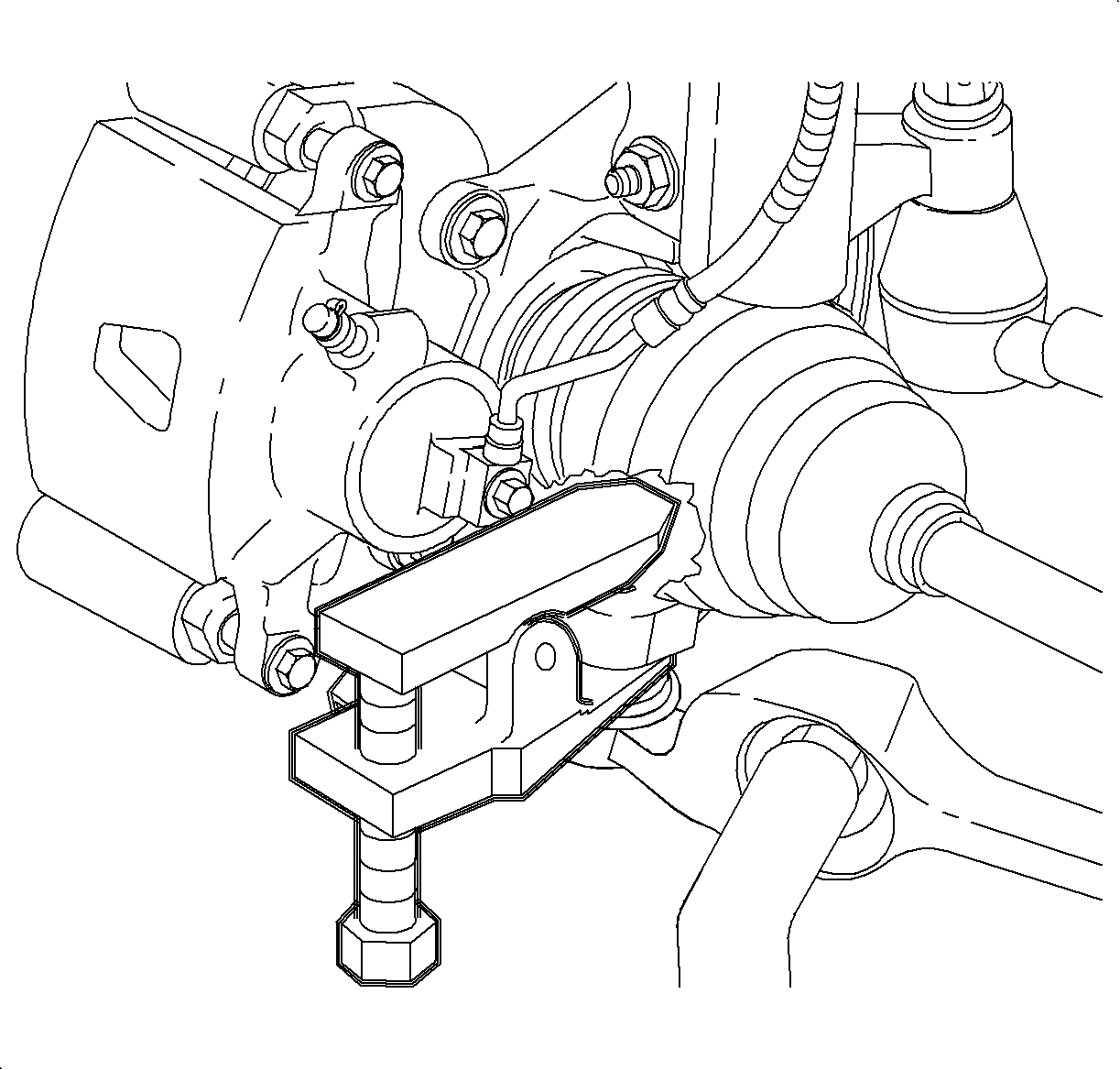
On ABS equipped vehicles, the outer CV joint has a speed sensor ring. Using
the incorrect tool or procedure to separate the control arm from the knuckle can damage
the ring, resulting in a loss of ABS operation.
Notice
Do not attempt to separate the joint using a wedge-type tool because seal may
be damaged.
- Using the
SA9132S
, separate the lower control arm from the steering knuckle.
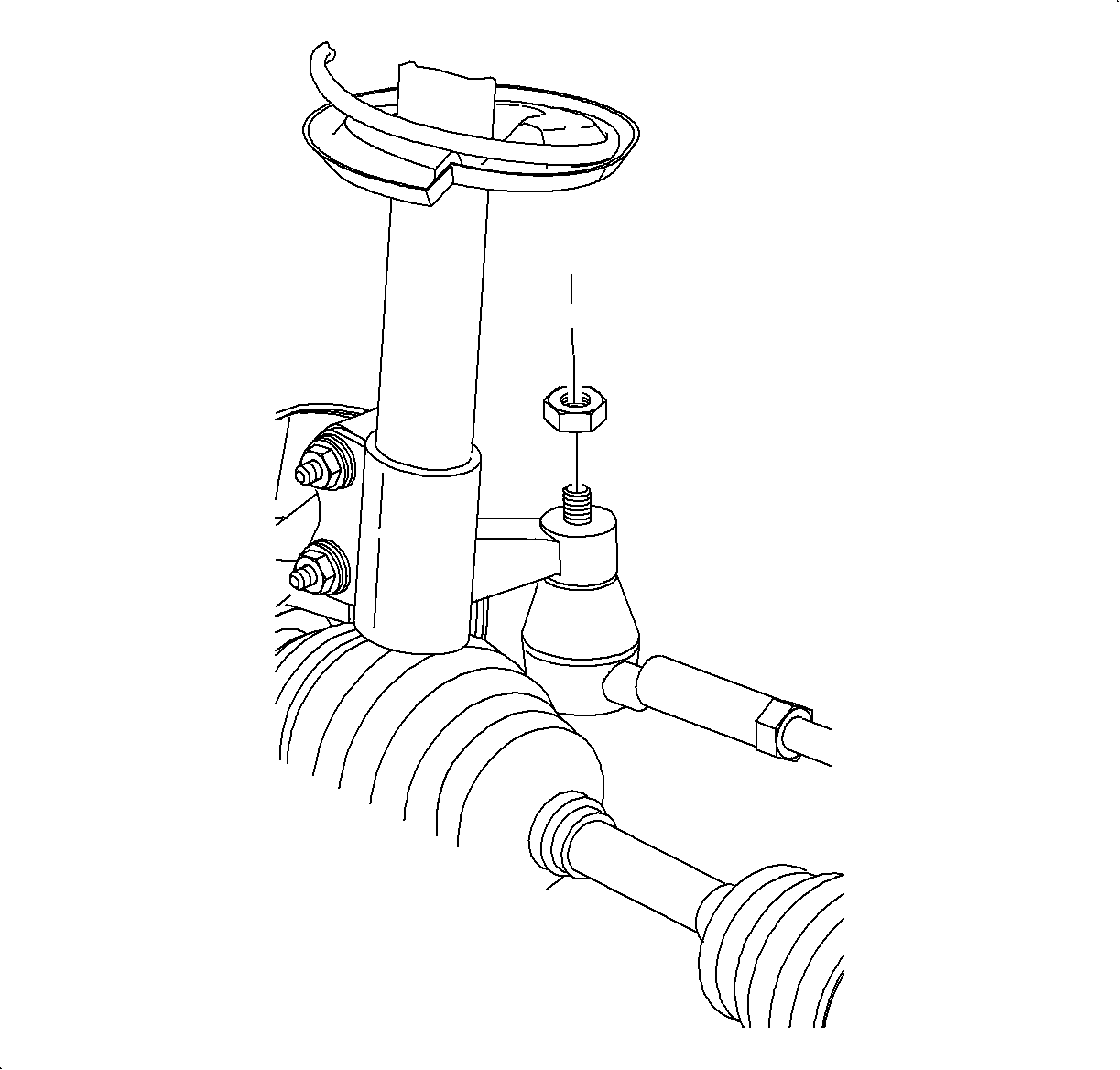
- Remove the torque
prevailing nut and discard. A new nut will be required during re-assembly.
Notice
Do not attempt to separate the joint using a wedge-type tool because seal may
be damaged.
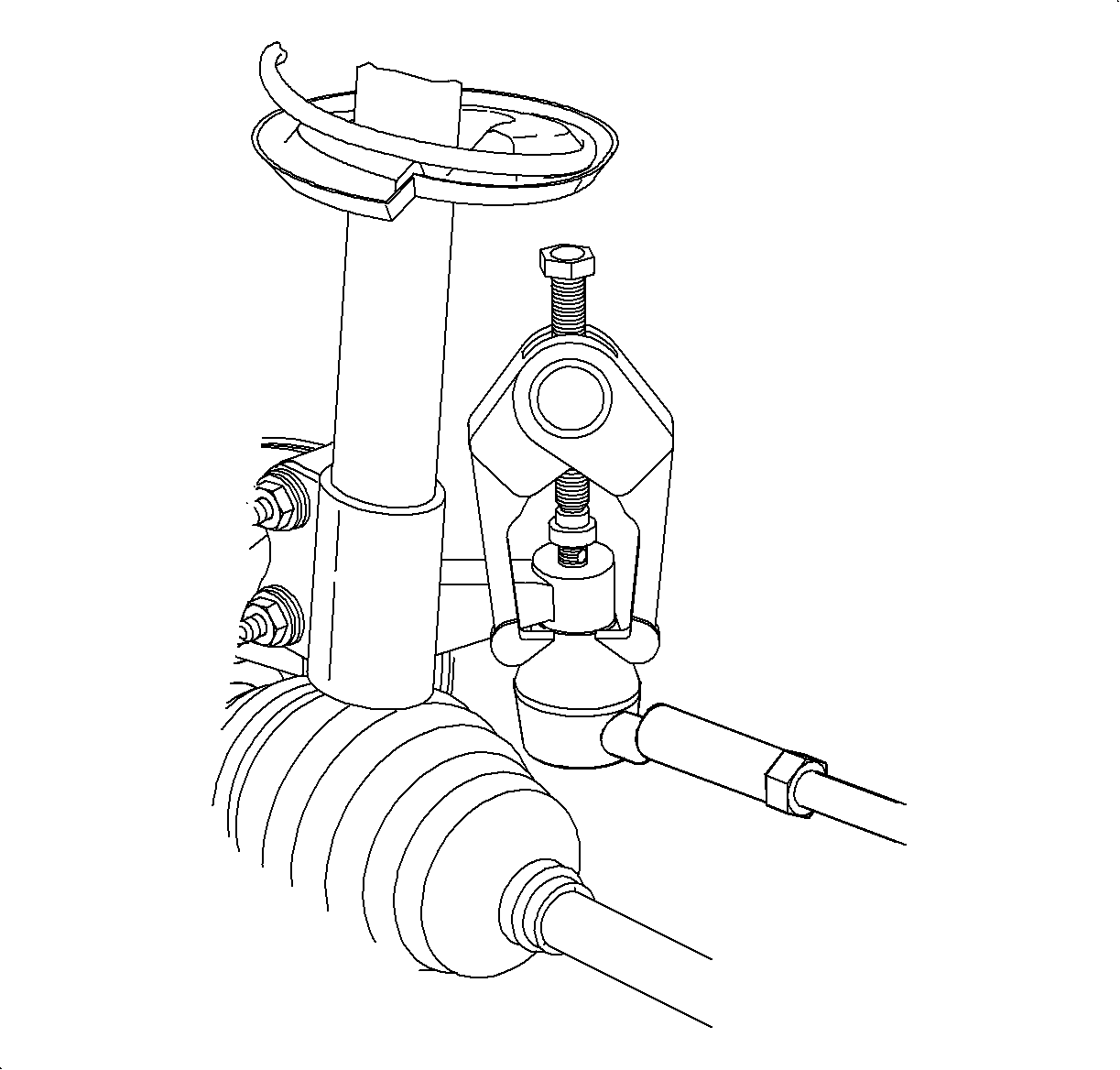
- Using the
SA91100C
, separate tie rod end from steering knuckle.
- Remove the lower control arm-to-steering knuckle castle nut.
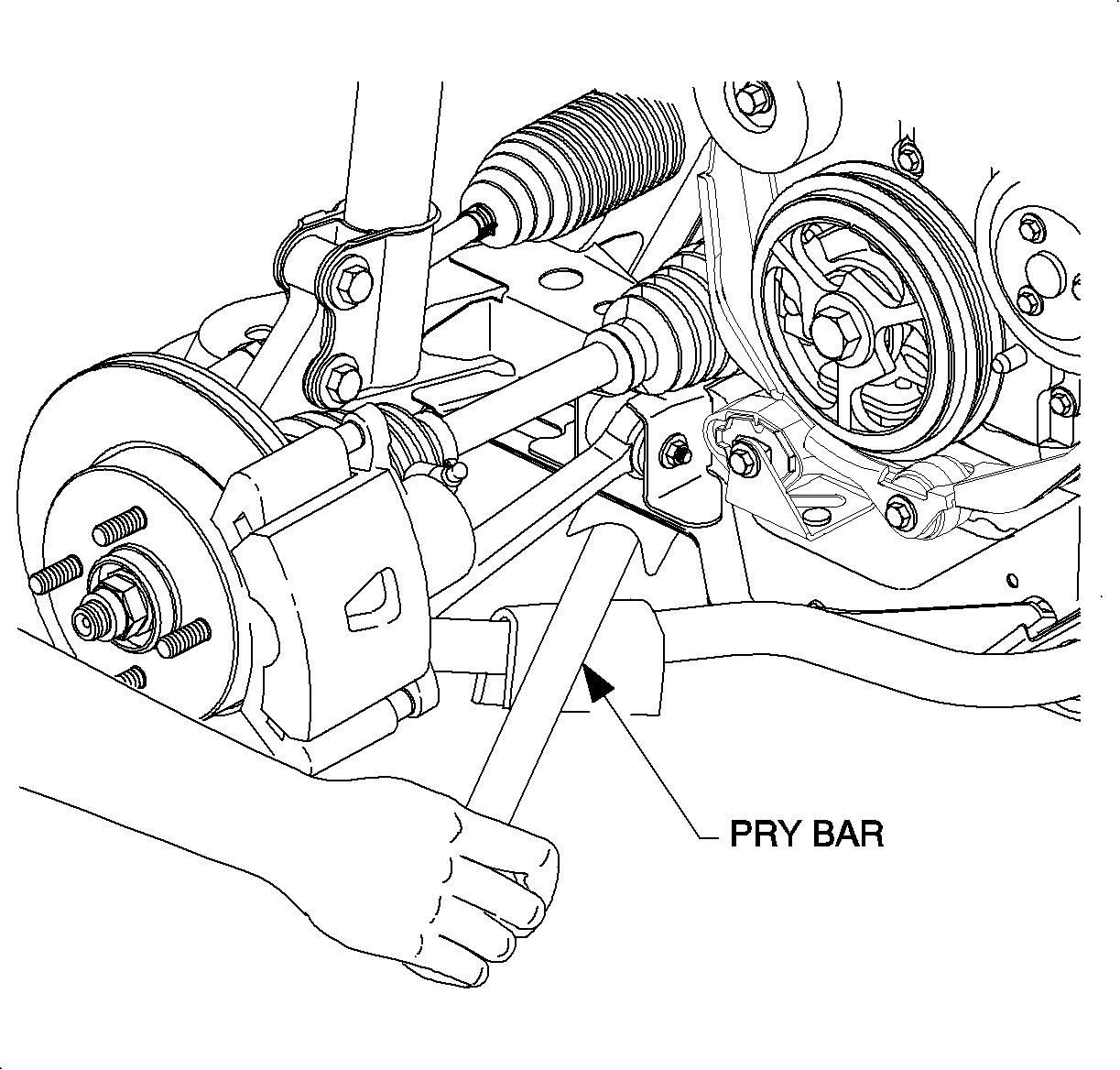
Notice
Be sure to use cloths where the pry bar contacts the front stabilizer shaft
and cradle to avoid surface damage to these components.
- Position a long pry bar at the proper cradle and front stabilizer
shaft locations.
Notice
Be careful not to allow steering knuckle to contact the ball stud seal. Contact
may cause the seal to rip, requiring control arm replacement.
Important
Place a cloth over the ball stud boot, protecting it from damage caused by contact
with the steering knuckle.
- Pull down on pry bar, separating the lower control arm ball stud from the steering
knuckle. Pull the steering knuckle away from the ball stud.
Notice
To prevent damage to CV Joint boots, be careful not to allow them to contact
other parts during the removal/installation process. Also, never pull on the shaft
assembly.
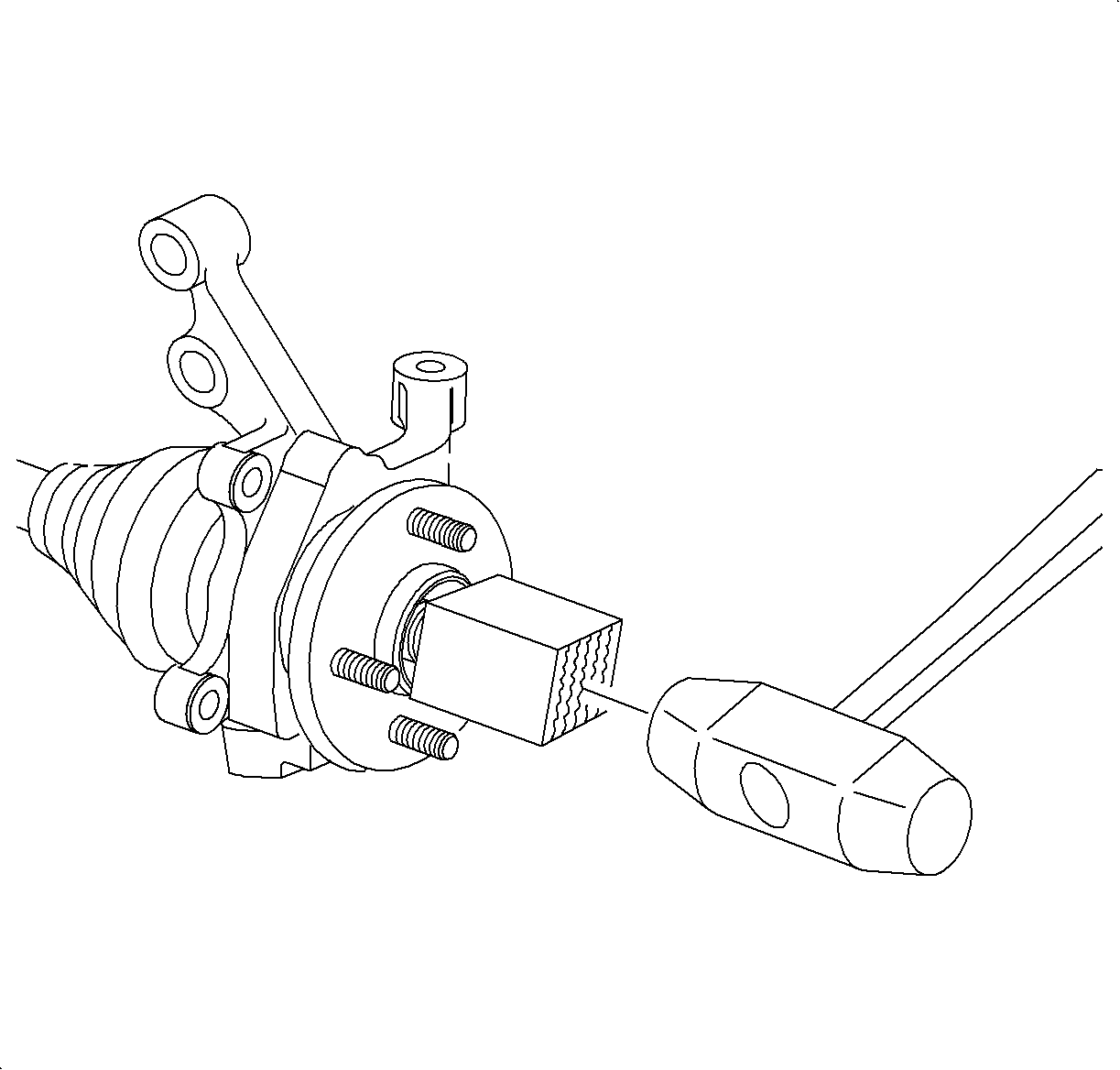
Important
If difficulty is encountered in separating the axle from the hub, tap on the
end of the drive axle, using a block of wood and a hammer. Do not hammer directly
on the end of axle.
- While pulling the knuckle/strut assembly away from the vehicle, pull the outer
end of the drive axle out of the wheel hub.
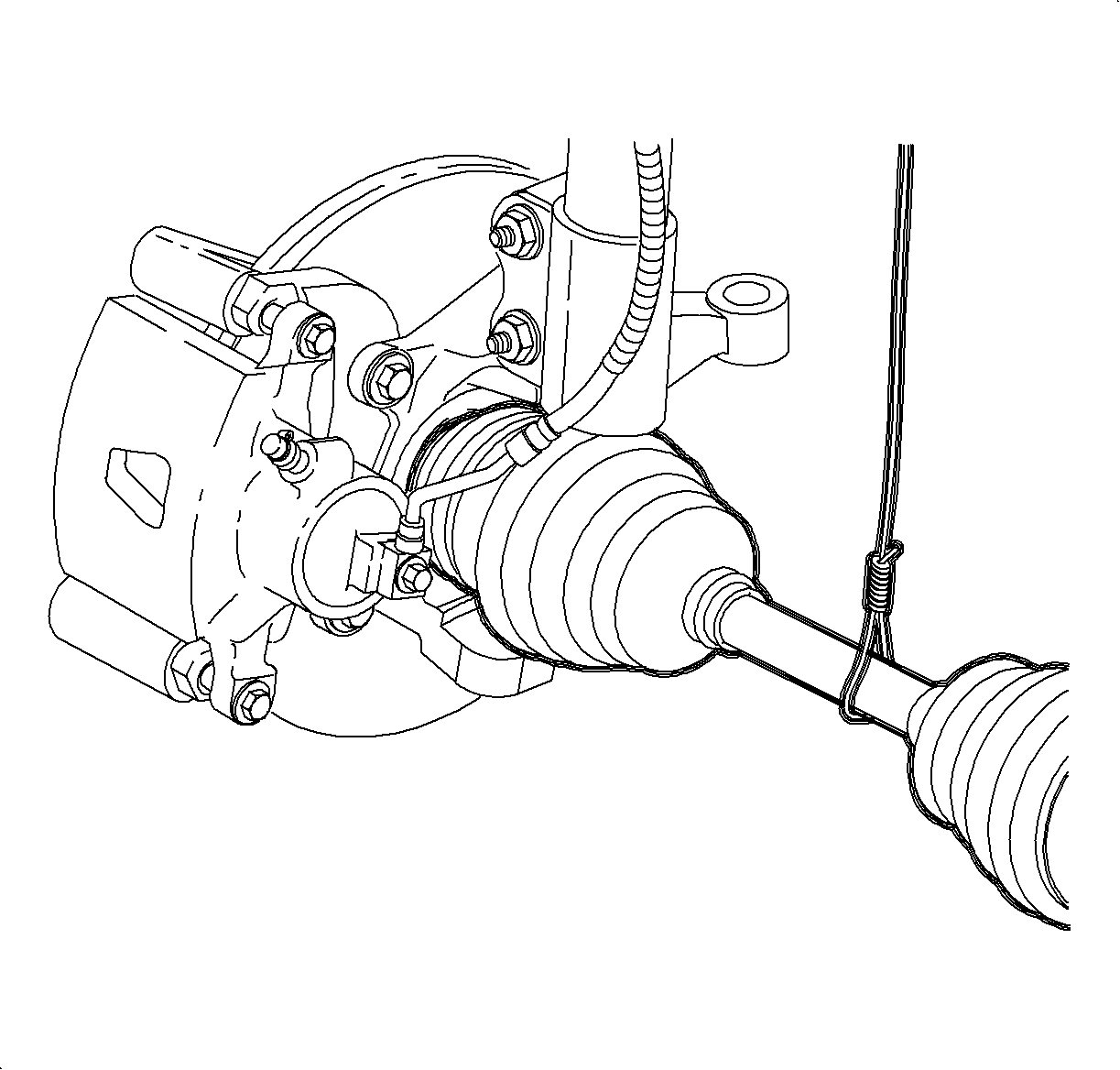
- Support or suspend the drive axle assembly.
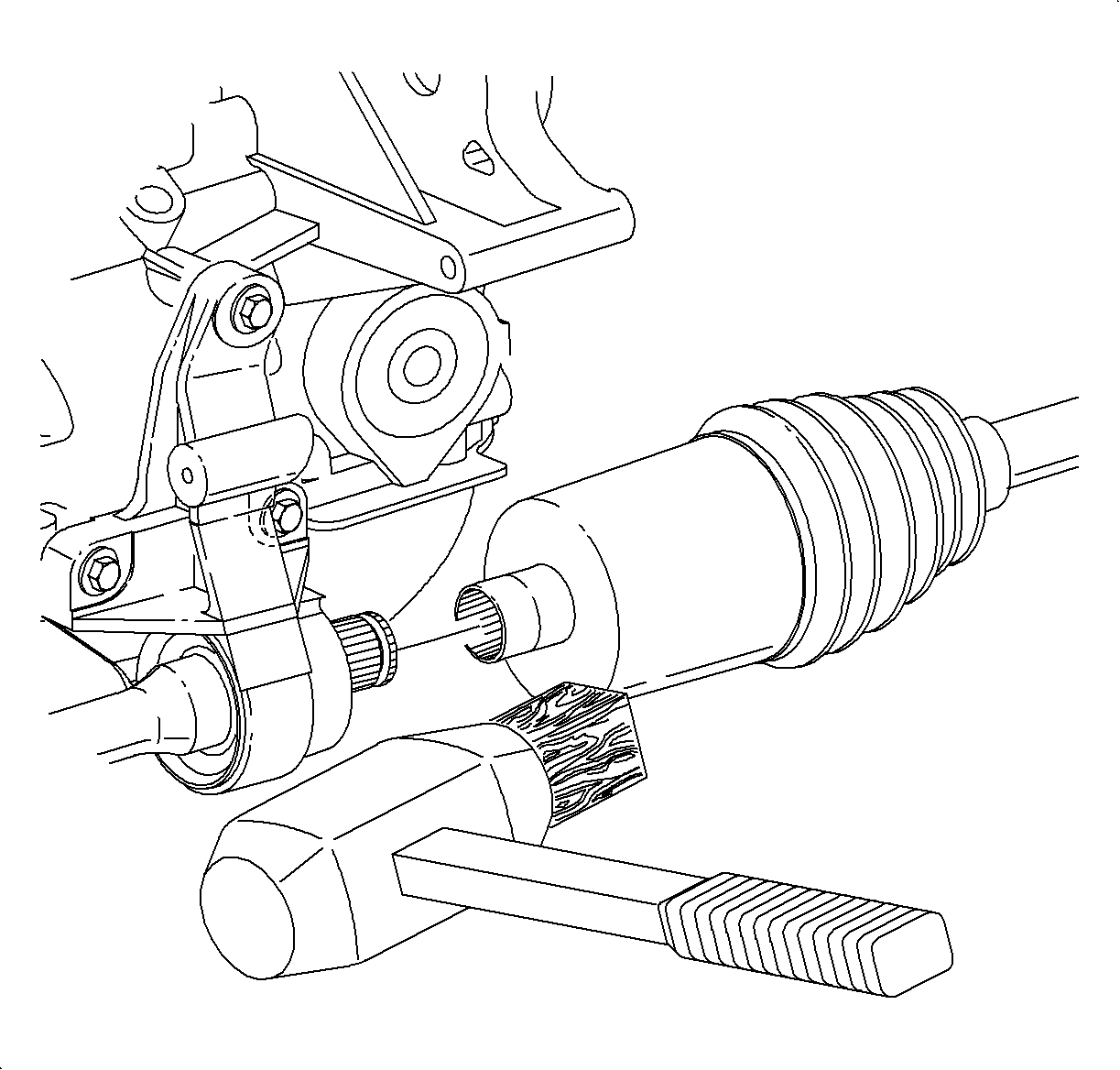
- For the right side drive axle, remove the drive axle from the intermediate axle
shaft by tapping the axle at the correct location with a hammer, using a block of
wood between the hammer and the drive axle. Separate the drive axle from the intermediate
shaft.
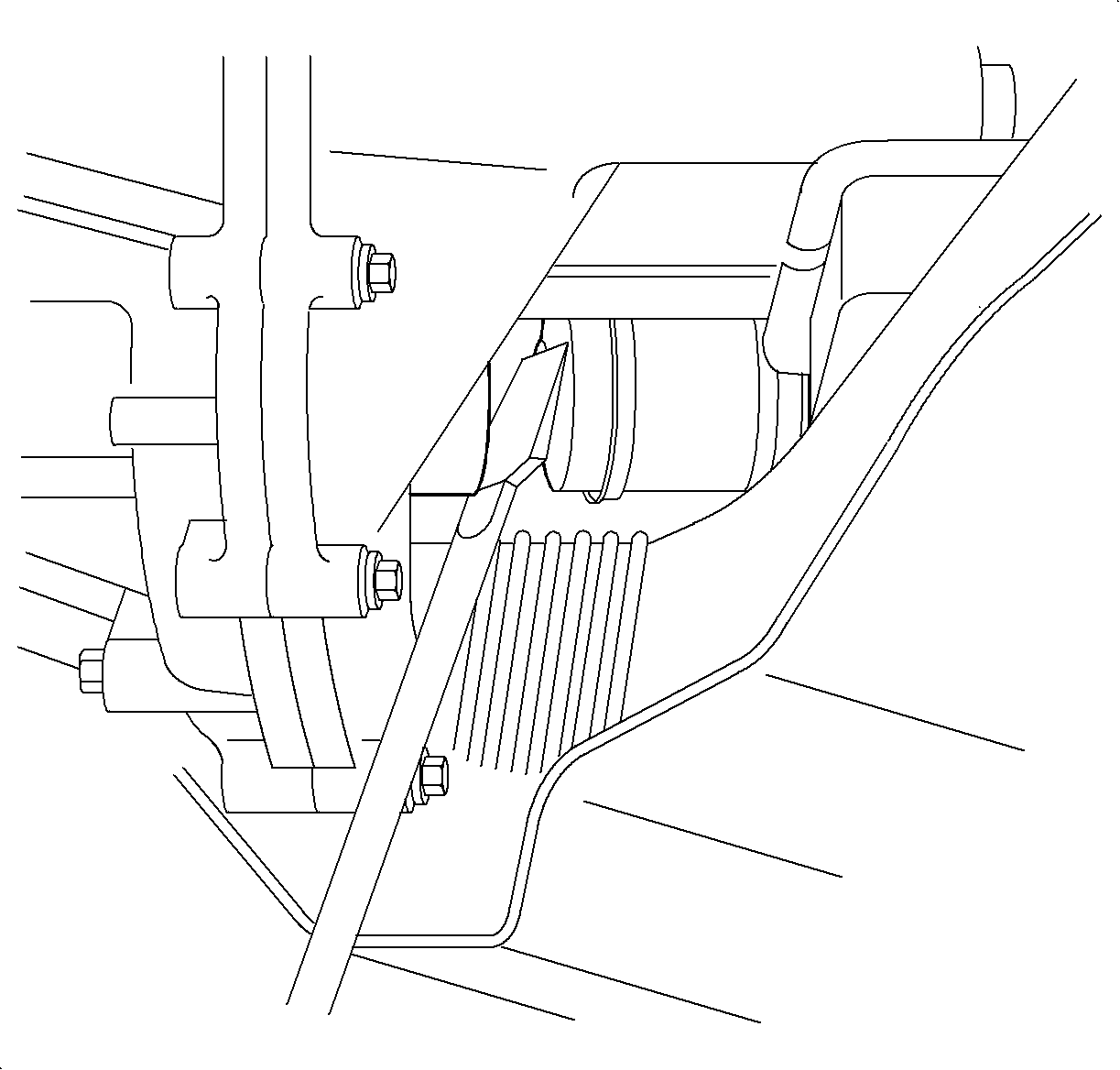
Notice
When inserting pry bar between the transaxle and drive axle, be careful not
to contact transaxle oil seal or axle shaft deflector ring. Damage can occur to transaxle
oil seal or axle shaft deflector ring if contact is made, requiring seal or deflector
ring replacement.
- For the left side drive axle only, remove the drive axle by inserting
a large pry par into the correct location and prying the axle out of the transaxle.
- Remove the drive axle from the vehicle.
Installation Procedure
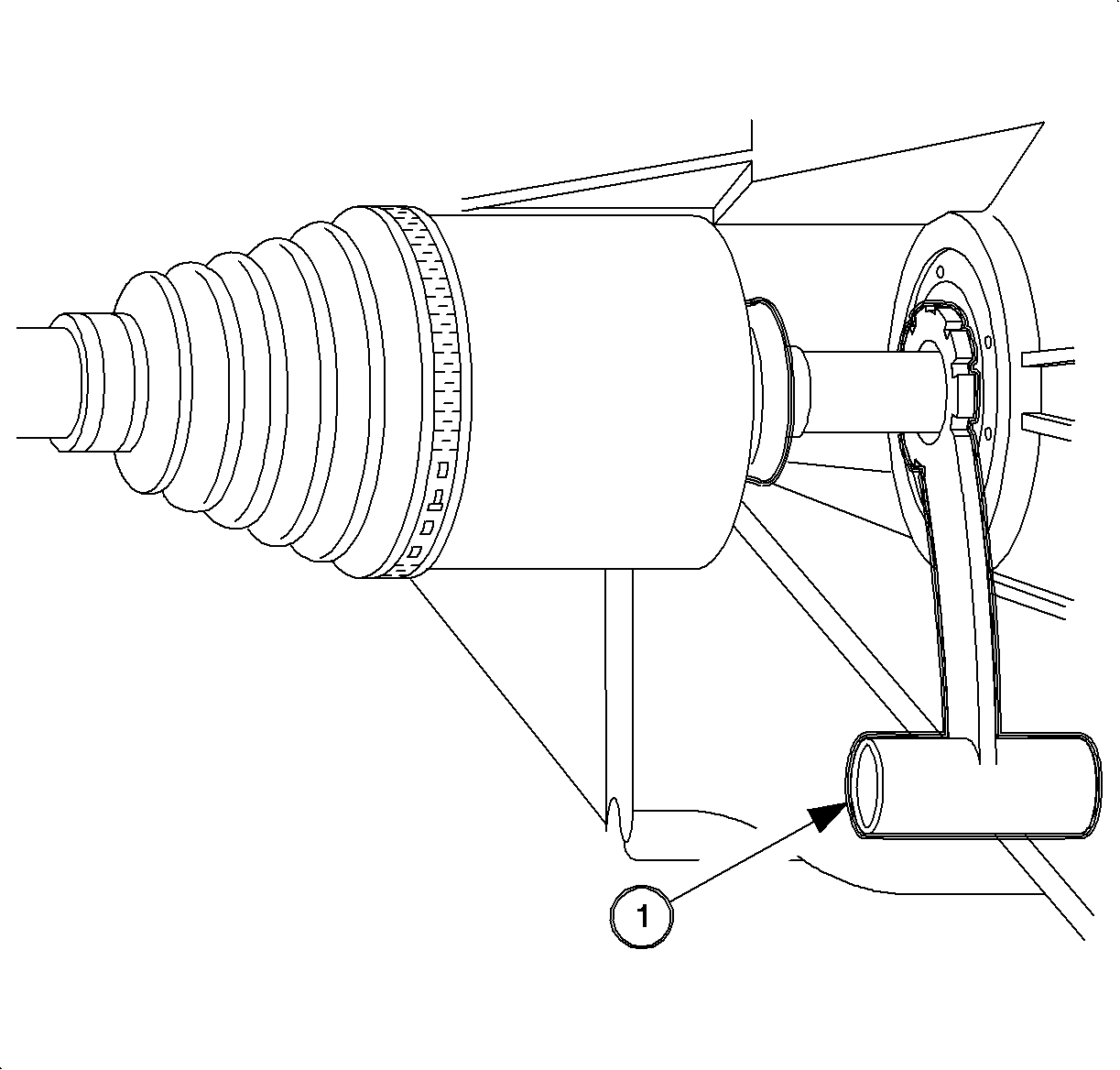
- For the left side drive axle, install the
SA9113T
or equivalent).
- Insert the drive axle into the transaxle.
- After the drive axle splines have safely passed the transaxle oil seal,
remove the seal protector and fully seat the drive axle into the transaxle.
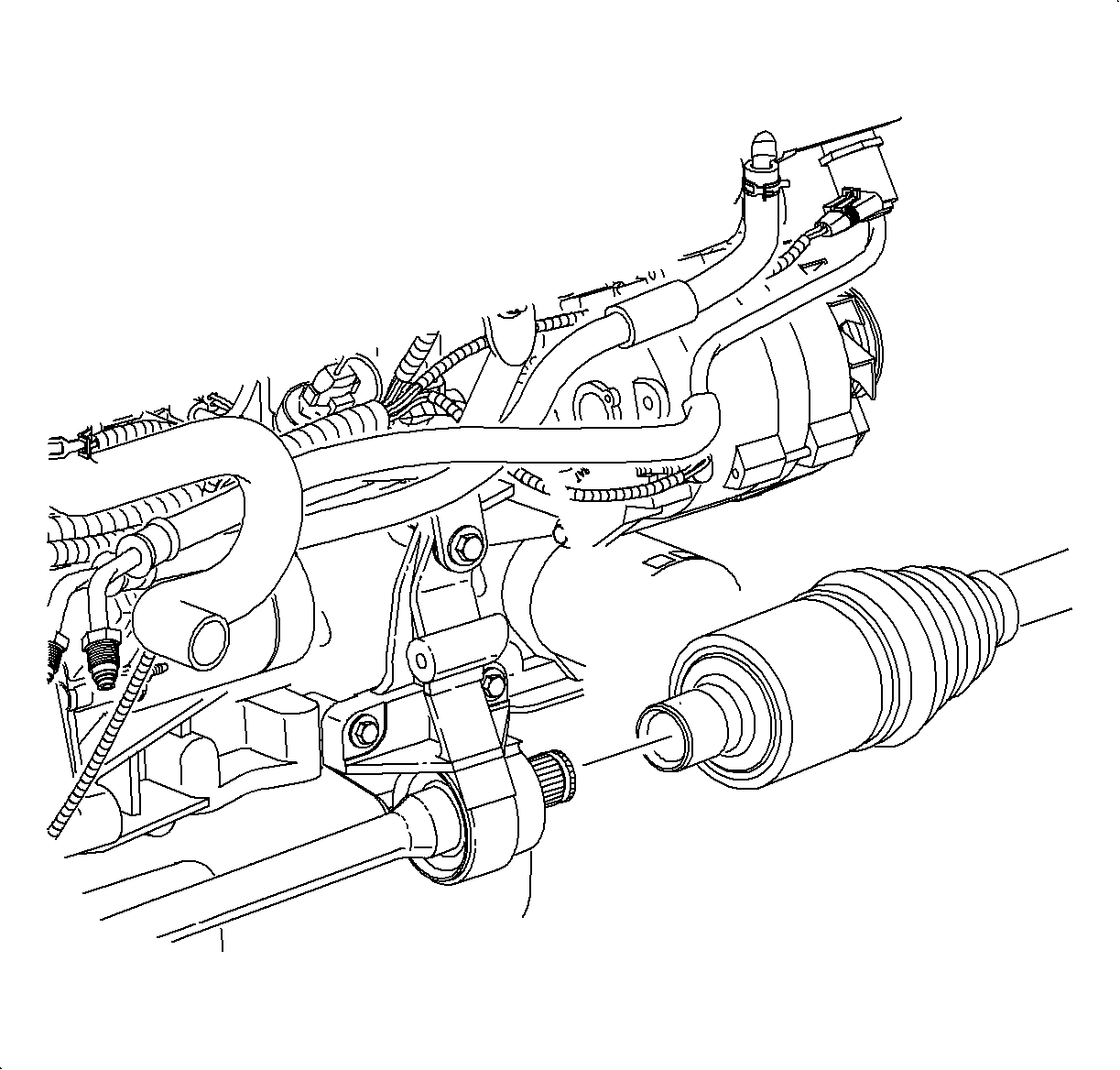
- For the right side
drive axle, insert the inner end of the drive axle onto the outer end of the intermediate
drive shaft and push the axle firmly to engage the axle retaining ring.
Notice
To prevent damage to CV Joint boots, be careful not to allow them to contact
other parts during the removal/installation process. Also, never pull on the shaft
assembly.
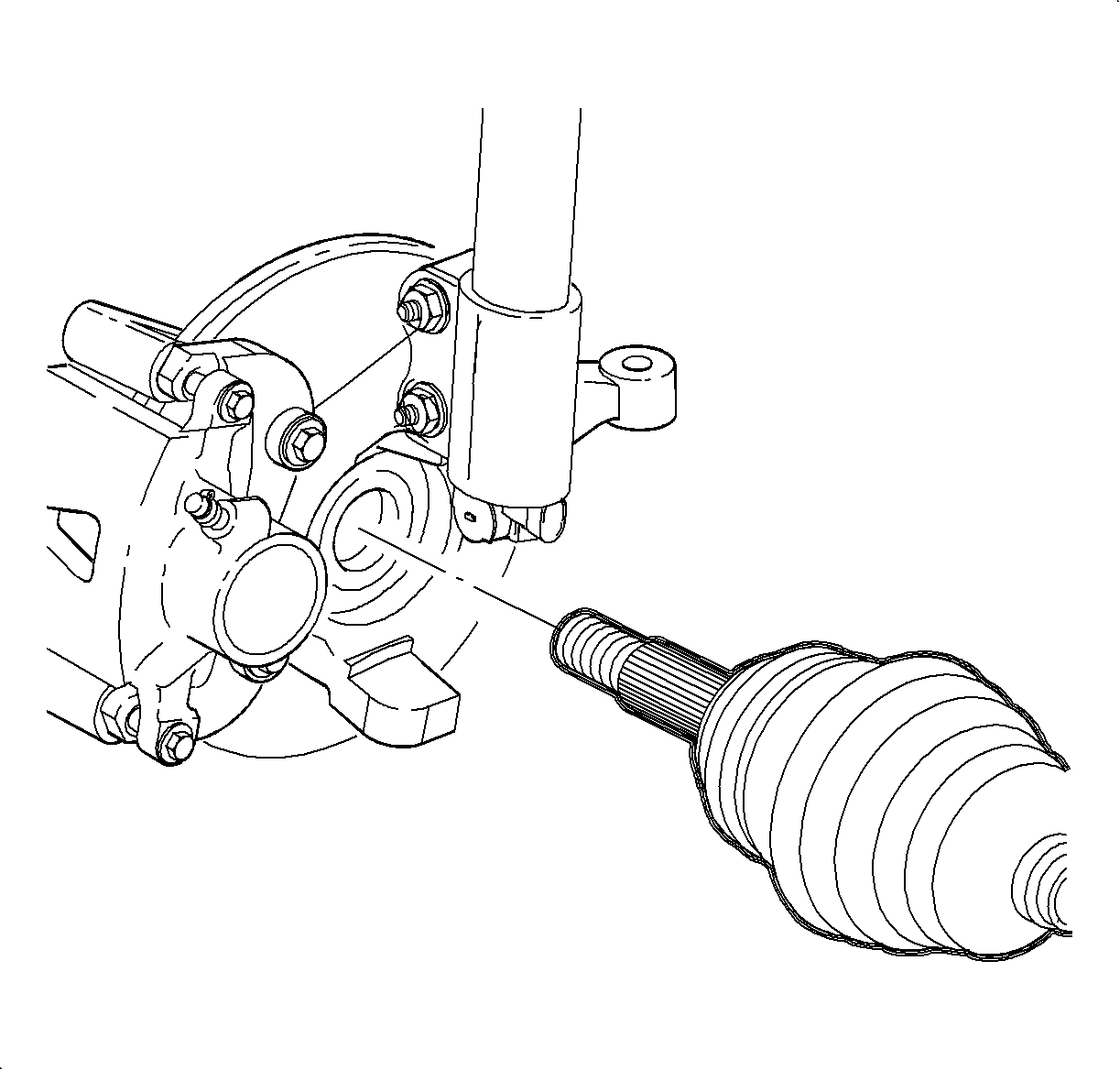
- Insert the outer end of the drive axle into the wheel hub. Do not
install the drive axle-to-hub washer or nut at this time.
Notice
Be careful not to allow steering knuckle to contact the ball stud seal. Contact
may cause the seal to rip, requiring control arm replacement.
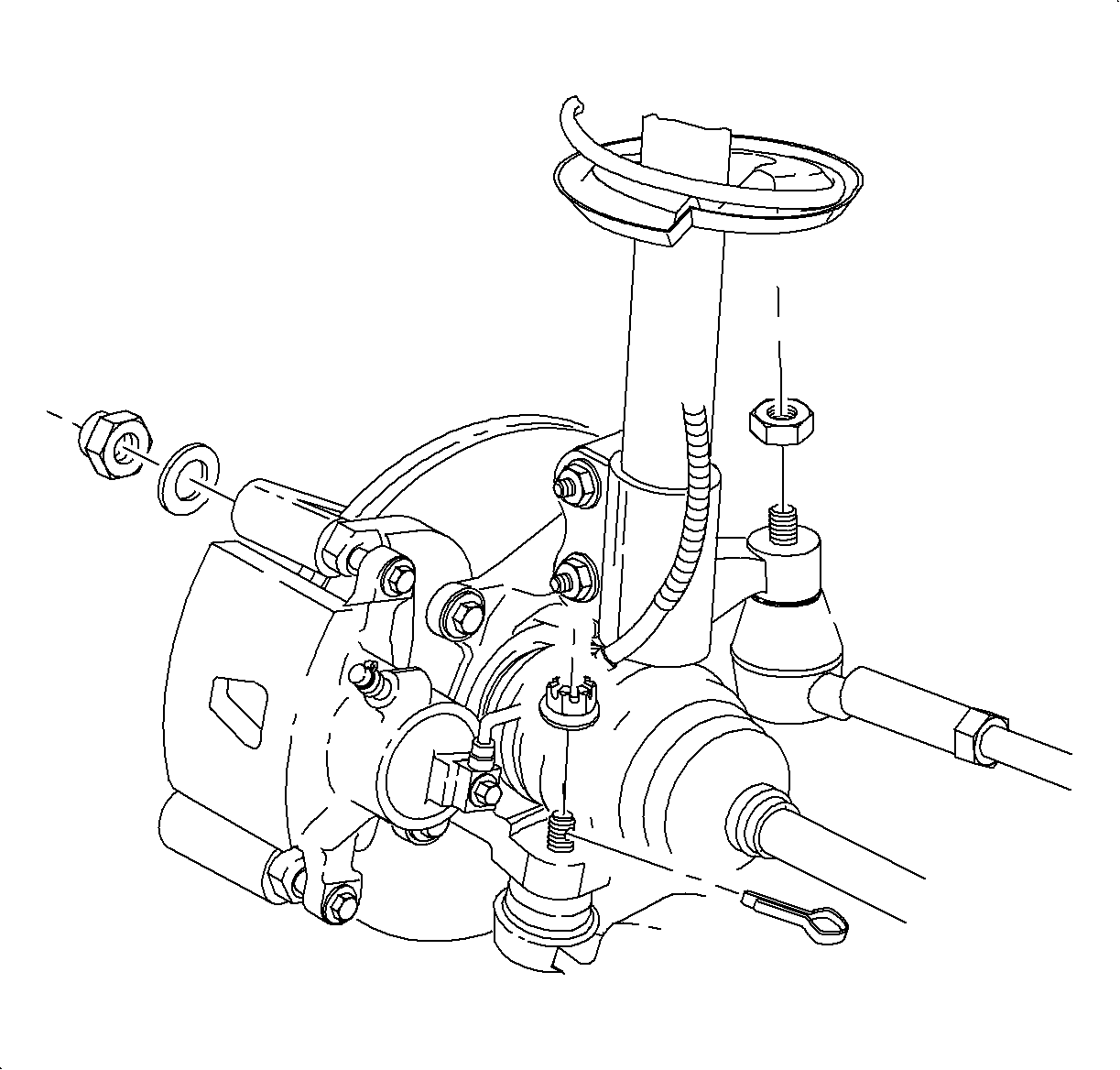
- Install the lower control arm ball stud into the steering knuckle.
Install the ball stud castle nut.
Important
Do not tighten the fastener at this time.
Important
The rod end threads must be thoroughly cleaned before installing and tightening
the NEW nut.
- Install the tie rod end into the steering knuckle.
- Seat the tie rod end into the steering knuckle by using the
J 44015
or equivalent.
TightenTighten the tie rod linkage installer to 45 N·m (33 lb ft).
Important
Use a new nut. The torque retention of old nut may not be sufficient.
Important
This procedure requires the
SA9140E
or equivalent.
- Remove the linkage installer and install the NEW tie rod end nut.
TightenTighten the tie rod-to-steering knuckle nut to 25 N·m (19 lb ft)
+134 degrees.
Important
Lower control arm ball stud threads should be thoroughly cleaned and lubricated
before installing and tightening the nut.
- Tighten the ball joint stud castle nut.
TightenTighten the ball joint stud castle nut to 75 N·m (53 lb ft).
Important
If it is necessary to rotate the castle nut after tightening to align with the
hole in the stud, always tighten the nut to align it; never loosen it. Install a
new cotter pin.
- Install the axle-to-hub washer and NEW nut.
TightenTighten the axle-to-hub nut to 200 N·m (148 lb ft).
Important
When tightening the axle nut, have an assistant depress the brake pedal to prevent
axle rotation.
- If the vehicle is equipped with ABS, check the ABS wheel speed sensor signal
for proper operation.
Important
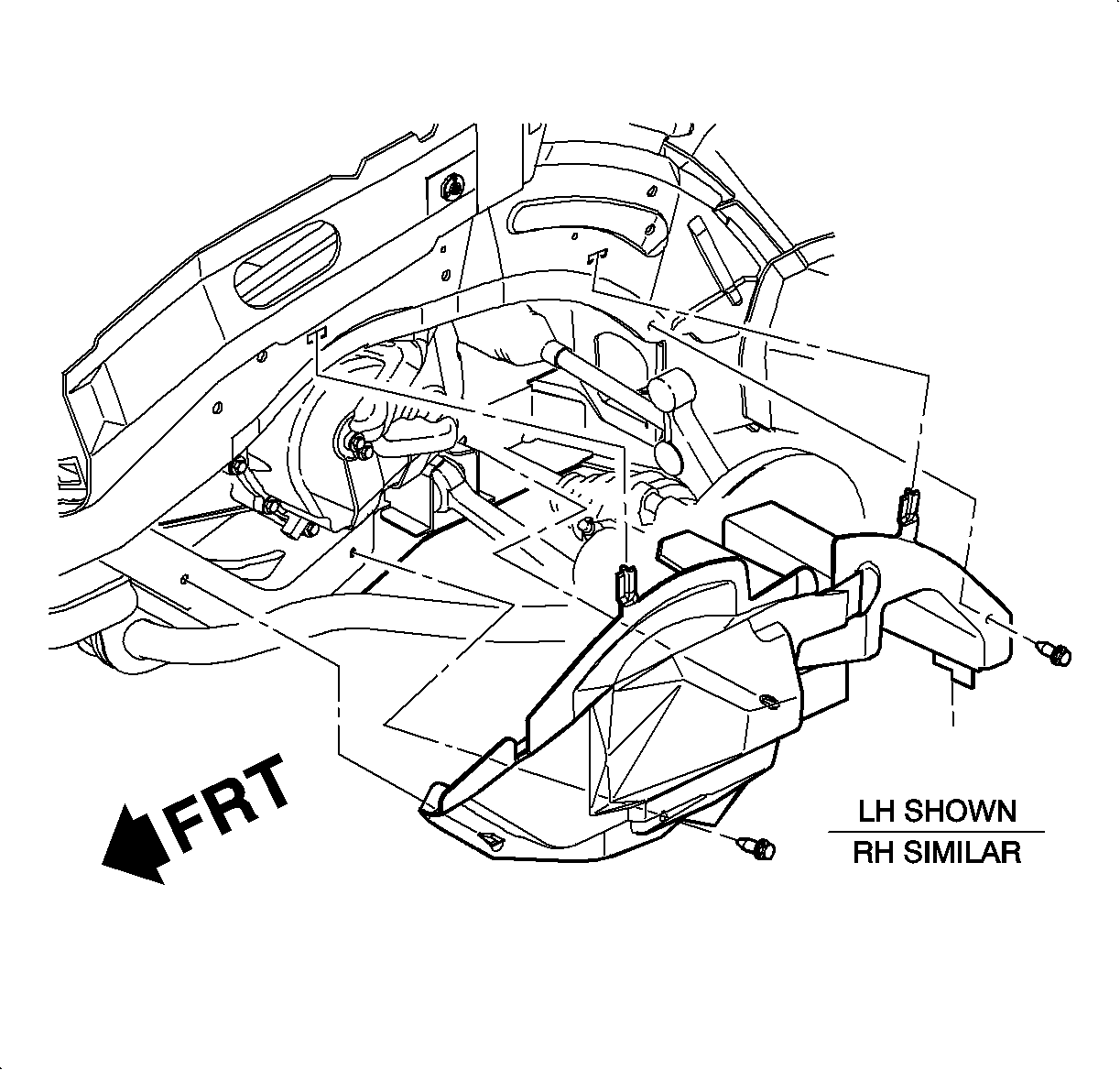
For the left side, install the rear section of the shield first, then the front.
For the right side, install the front section of the shield first, then the rear.
- Install the side splash shield.
Important
Ensure that the shield flaps are tucked in at body locations.
- Install the tabs in the body cut-out.
- Align the molded-in shield fasteners with the holes in the cradle. Push
straight in to install.
- Install the push pins.
Notice
Before installing wheels, remove rust or corrosion from wheel mounting surfaces
and brake rotors/drums. Failure to do so can cause wheel nuts to loosen in service.
- Position the wheel onto the hub.
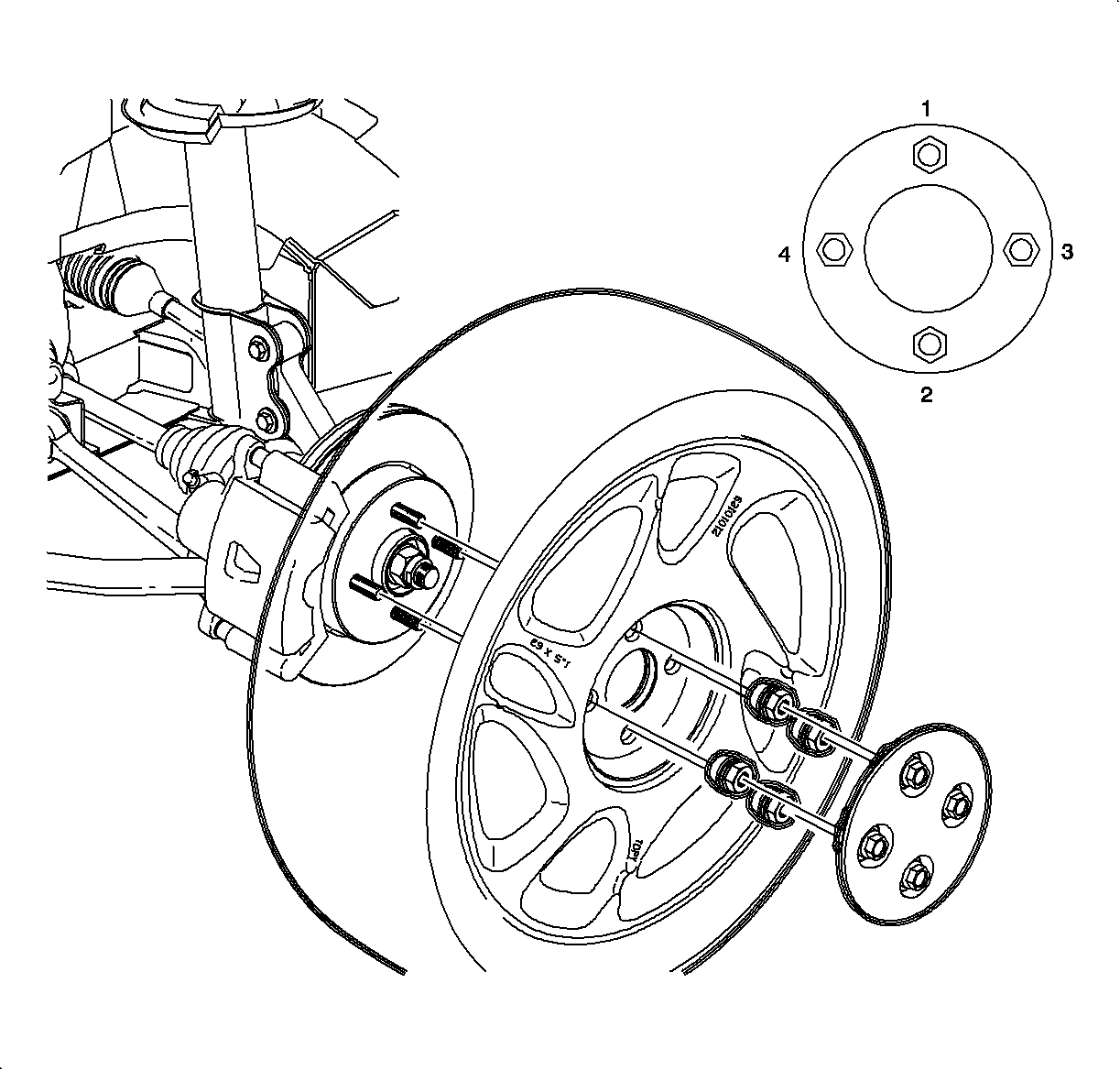
- Install the wheel
nuts and tighten in a crisscross pattern. Repeat tightening pattern to ensure that
the torque is correct.
TightenTighten the wheel nuts to 140 N·m (103 lb ft).
- Lower the vehicle from the hoist.
- Fill the transaxle to the correct level with proper lubricant.
- Connect the negative battery cable terminal to the battery.
TightenTighten the battery terminal bolts to 17 N·m (13 lb ft).