To prevent oil leaks and seal damage, the engine's oil pan must be removed if
the rear oil seal carrier requires replacement.
Remove engine oil pan. Refer to "Oil Pan - In Chassis" removal
procedure in the General Information section of this service manual.
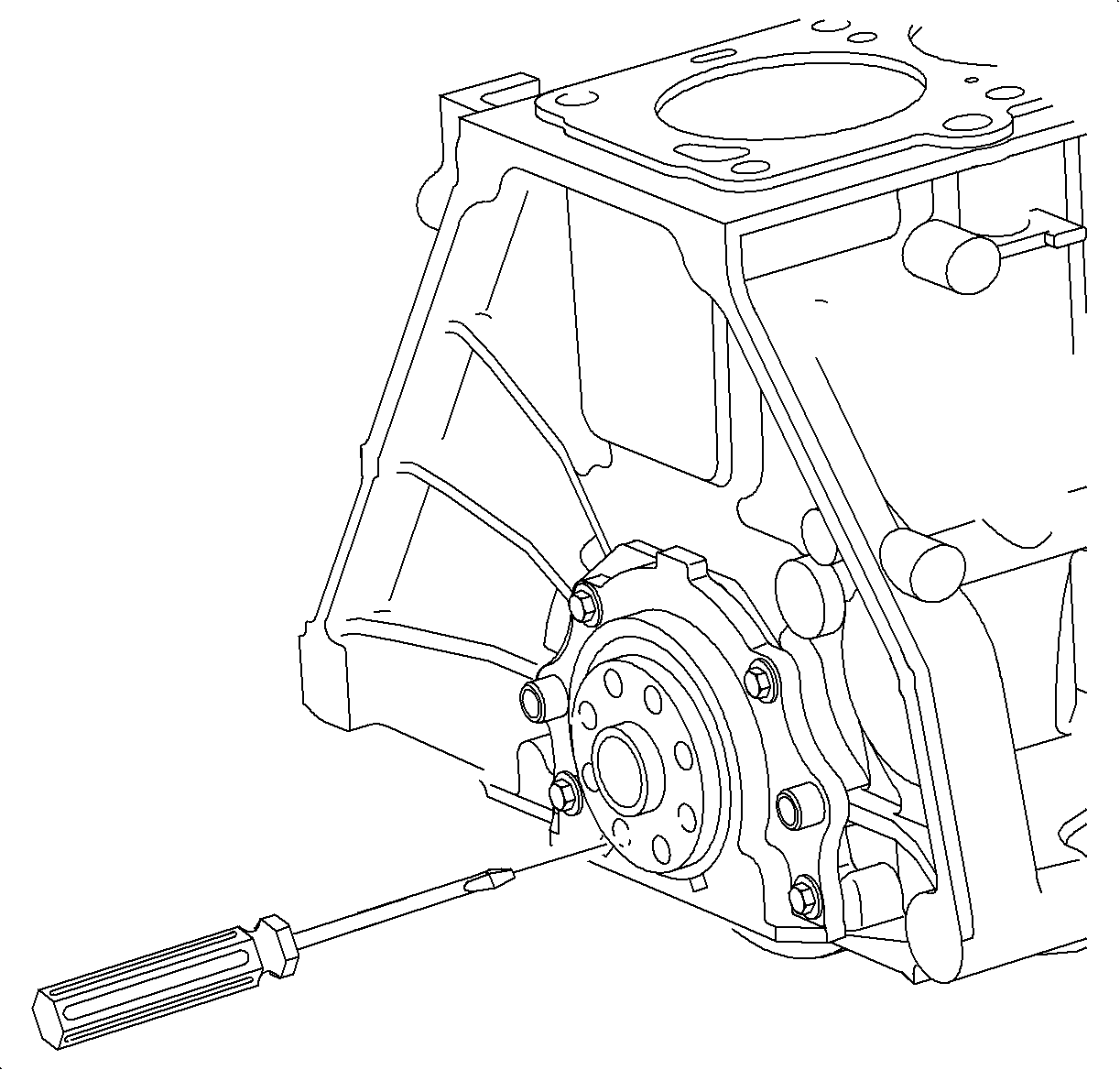
Remove rear oil seal assembly bolts and discard bolts. New bolts are supplied
with seal kit and will be used for installation.
Notice
Do not pry in the area of the crankshaft flange sealing surface.
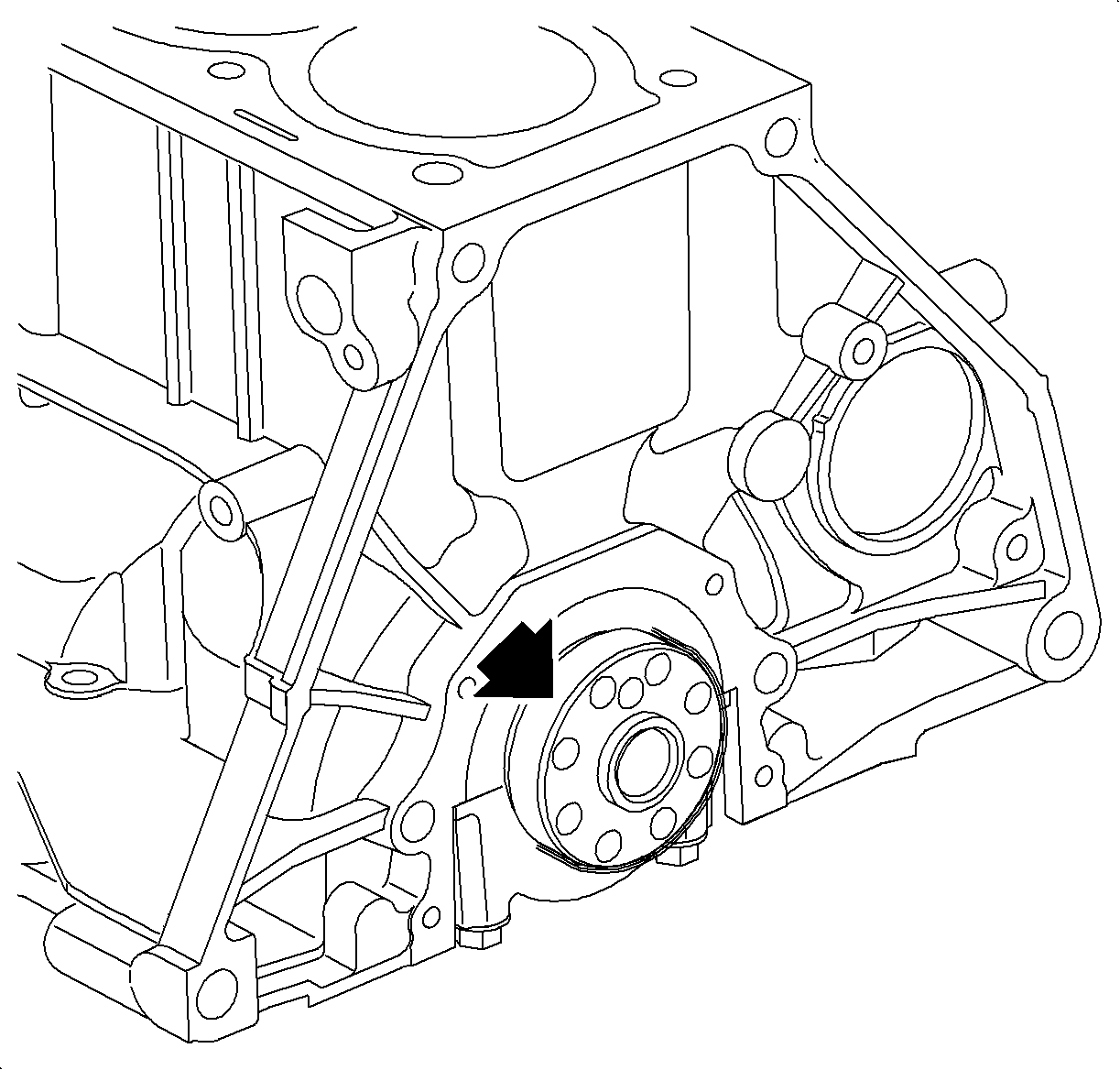
Pry the outside edges of rear oil seal carrier away from engine block and remove
seal carrier.
Remove original RTV from engine block and oil pan using scraper or 3M Scotch-Brite®
pads, or equivalent.
Notice
Do not use petroleum cleaners such as mineral spirits. They leave a film onto
which RTV will not stick.
Clean the engine block sealing surface with a chlorinated solvent, such as
brake cleaner Saturn P/N 21007432, alcohol, or equivalent.
Check the oil seal lip contact surface of the crankshaft for rust, scratches,
or damage. If rust is present, remove using a fine 3M Scotch-Brite® pad and clean
thoroughly.
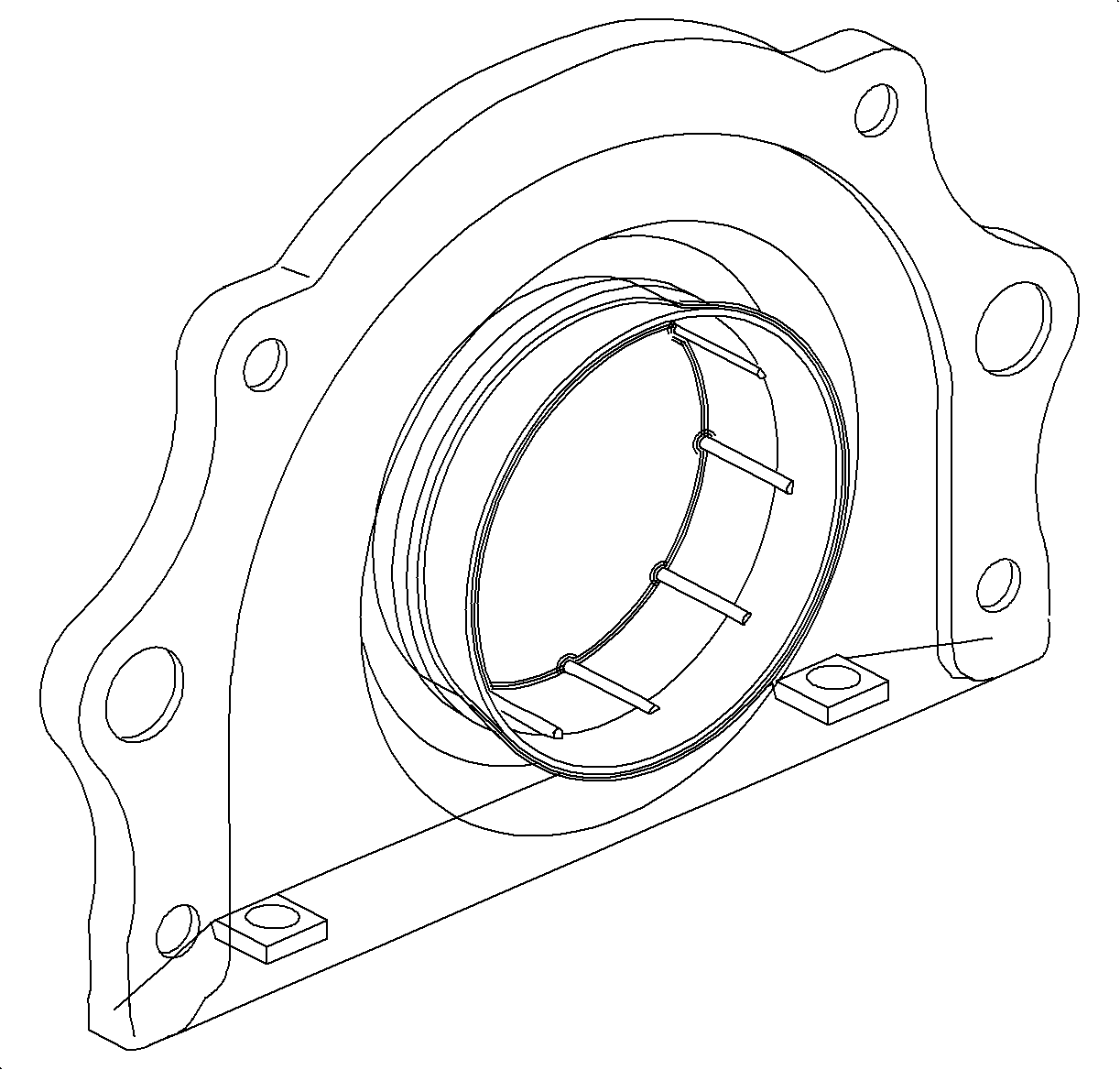
The rear crankshaft oil seal assembly comes
with a plastic installation sleeve. The installation sleeve prevents the oil seal
from rolling during assembly.
Do not remove the sleeve from the seal assembly until after installation
to the engine block.
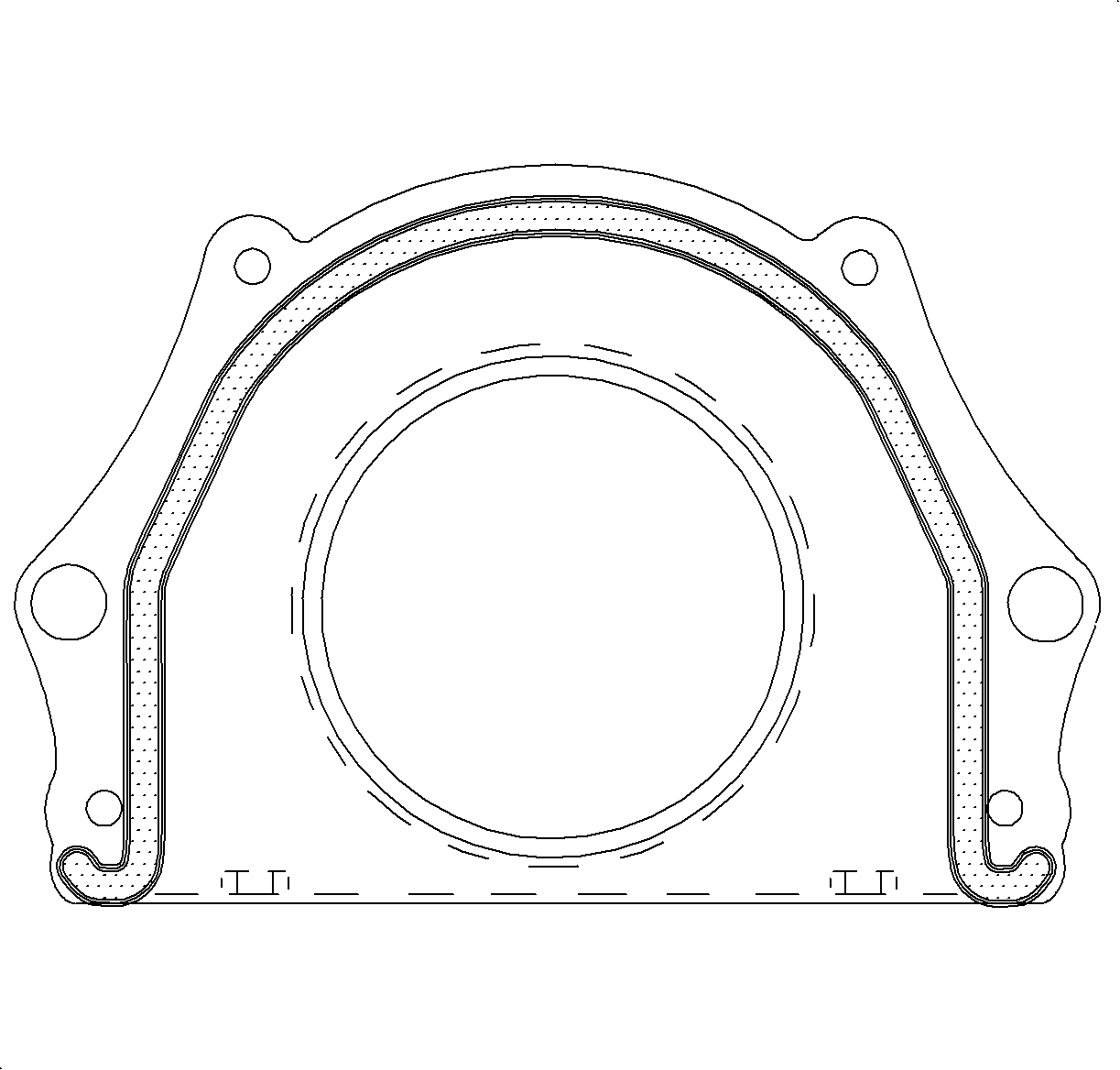
Apply a 5 mm (0.2 in) diameter bead of RTV to the stamped metal
seal assembly as shown.
Important
Assemble while RTV is still wet, within
3 minutes. Do not wait for RTV to skin over.
Apply a film of oil on the crankshaft scaling surface where the seal rides.
Install the seal assembly to engine block and crankshaft with installation
sleeve still in place in seal assembly.
Install the four new (17 mm) rear crankshaft seal assembly bolts provided
with seal kit.
Tighten
Tighten the crankshaft rear oil seal assembly-to-block
to 11 N·m (97 lb in).
Remove installation sleeve and discard.
Install engine oil pan. Refer to "Cylinder Block Assembly"
procedures in this section.